Music therapy for pain and anxiety

“There is little research on the use of music therapy with pediatric chronic pain conditions such as amplified pain syndromes. The purpose of the current study was to examine the effects of 3 specific music therapy interventions (active music engagement, live patient-selected music, and music-assisted relaxation) on anxiety and relaxation levels in youth
(ages 10–18) participating in a 40 hr per week hospital-based intensive interdisciplinary pain treatment program.”
“Results show that when utilized within an interdisciplinary treatment environment, specific music therapy interventions elicited positive changes in relaxation and current somatic and cognitive anxiety levels in youth with amplified pain syndromes. Replication of this project with a larger sample size and a control group would lead to more confidence in these preliminary findings”

Comparing Three Music Therapy Interventions for Anxiety and Relaxation in Youth With Amplified Pain.(includes abstract) Scheufler, Ashley; Wallace, Dustin P; Fox, Emily Journal of Music Therapy, Summer2021; 58(2): 177-200. 24p

Continue reading →
Emory Authors: Poor sleep quality in pregnant Black American women.

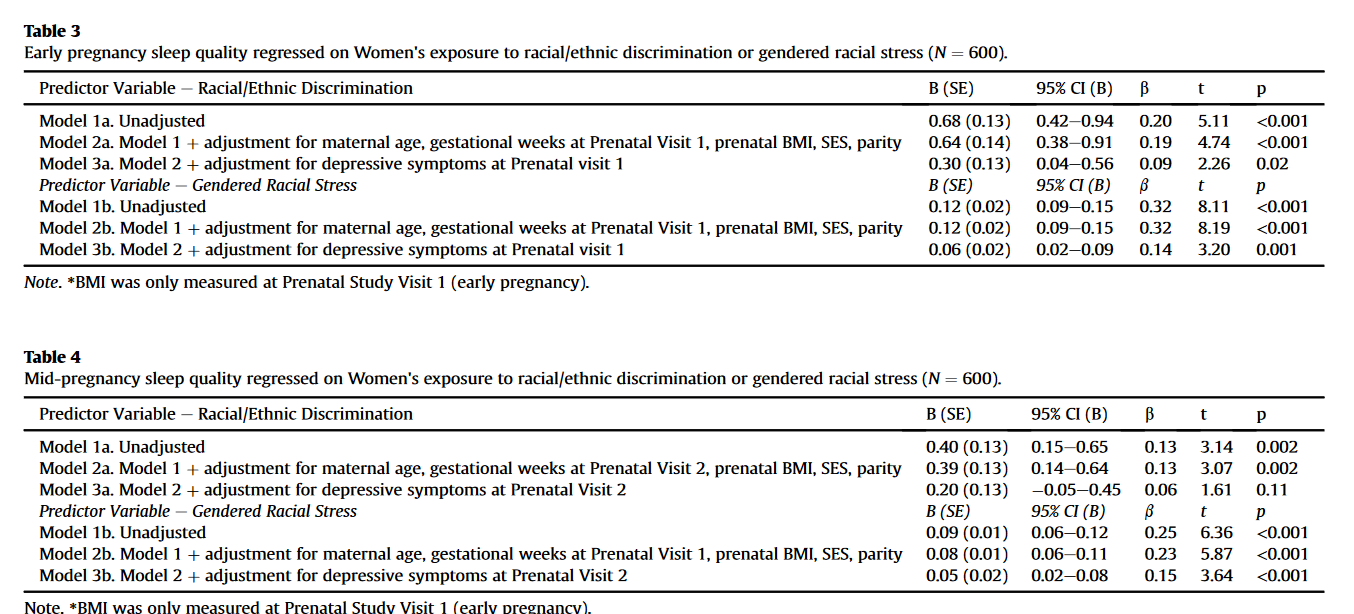
“Heightened exposure to racial/ethnic discrimination is associated with poorer sleep health
among non-pregnant adults. This relationship has received limited research attention among pregnant women, despite the importance of prenatal sleep quality for optimal maternal and child health outcomes.”

Continue reading →

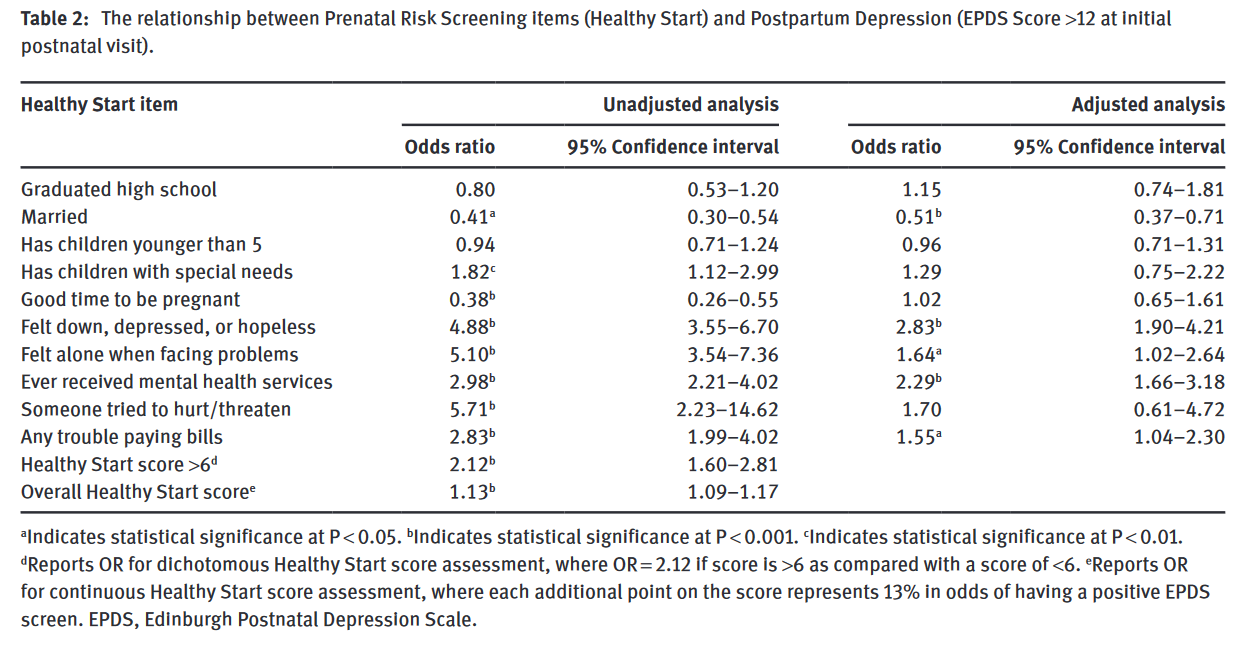
What are the predictors for risk of postpartum depression?


Assessing the utility of the Healthy Start Screen to predict an elevated Edinburgh Postnatal Depression Scale score.(includes abstract) Padilla, Mikela M.; Roussos-Ross, Dikea; Goodin, Amie J. Journal of Perinatal Medicine, Jun2020; 48(5): 483-487. 5p. (Article – research, tables/charts) ISSN: 0300-5577

Padilla
Continue reading →

JONA Highlights: Improving Patients’ Hospital Experience:

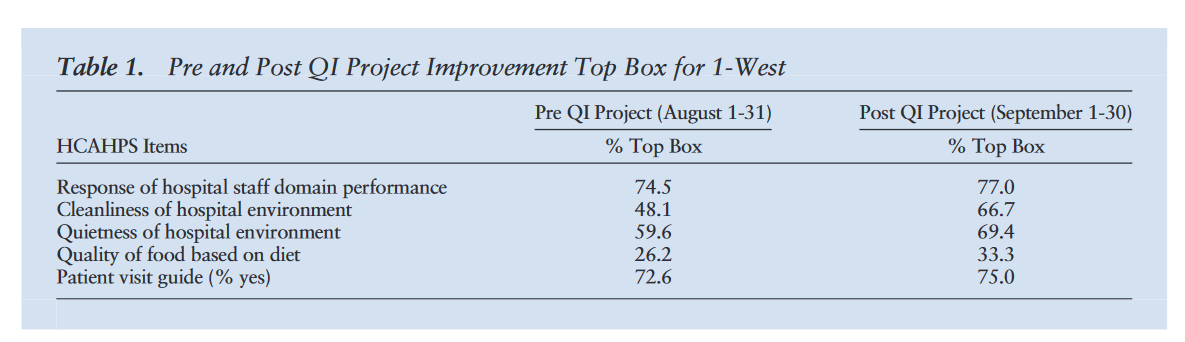
“The creation of the new supportive nonclinical role shows promise in improving patient experiences. The pandemic resulted in lower scores in patient experience across many care settings. This pilot study provides promising information that should be further explored regarding the impact of the Experience Coordinator and the benefit of this role from the
perspective of the nurse.”

Continue reading →

Early discharge and patient acuity

Rice, A. N., et al  (2021). Fast-Tracking Patients in an Academic Hospital to Increase Efficiency and Decrease Discharge Delays: A Process Improvement Plan. Journal of PeriAnesthesia Nursing, 36(6), Full Text for Emory Users 615-621. 


Aicher, B. O., et al  (2019). Reduced length of stay and 30-day readmission rate on an inpatient vascular surgery service. Journal of Vascular Nursing, 37(2), 78-85 Free Full Text .

Venkatesan, C., et al (2016). Outcomes trends for acute myocardial infarction, congestive heart failure, and pneumonia, 2005-2009. Am J Manag Care, 22(1), e9-17. Doyle, D. (2018) Free Full Text.


Chronic care management: Transitional care models for readmission reduction (Doctoral dissertation, Johns Hopkins University). Al Mashalah, H. A. M. A. (2019) Free Full Text

.

Studying The Impacts of Occupancy Rate on Length of Stay and Outcomes At The Emergency Department At The Regina General Hospital (Doctoral dissertation, Faculty of Graduate Studies and Research, University of Regina) Free Full Text. 

Nissen, K. M. (2021). Operationalizing the ACS NSQUIP® SRC to Impact Surgical 30-Day Readmissions (Doctoral dissertation, Grand Canyon University). Morgan, T. A., et al . (2021) Free Full Text.

Nursing attitudes towards dying patients.

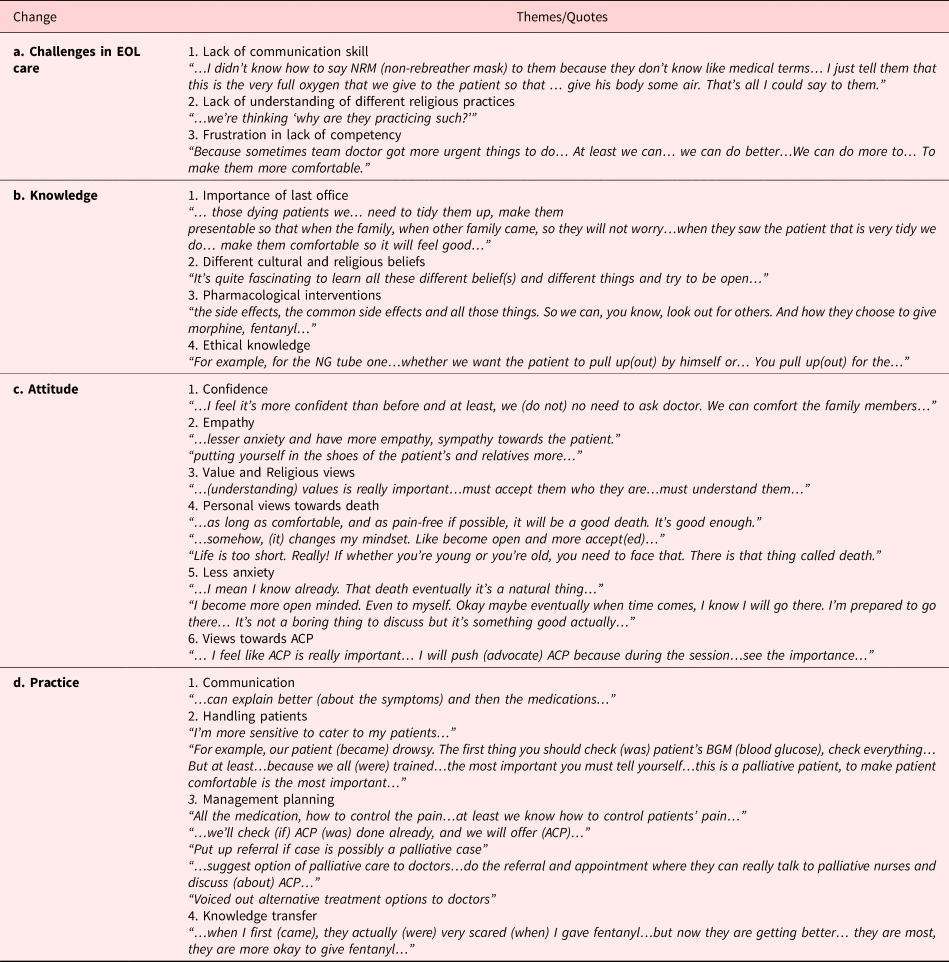
“Nurses play an essential role in delivering quality end-of-life (EOL) or palliative care to patients. This requires a skill set and knowledge that is specialized. Nurse-patient relationships built upon trust facilitate the patients’ adjustment to their illness, ease pain, and can ultimately lead to good death experiences.” (Cheong)

Table 3. Inductive thematic analysis from the in-depth interviews (Cheong)

Continue reading →

Phone and personal item confiscation of psychiatric patients

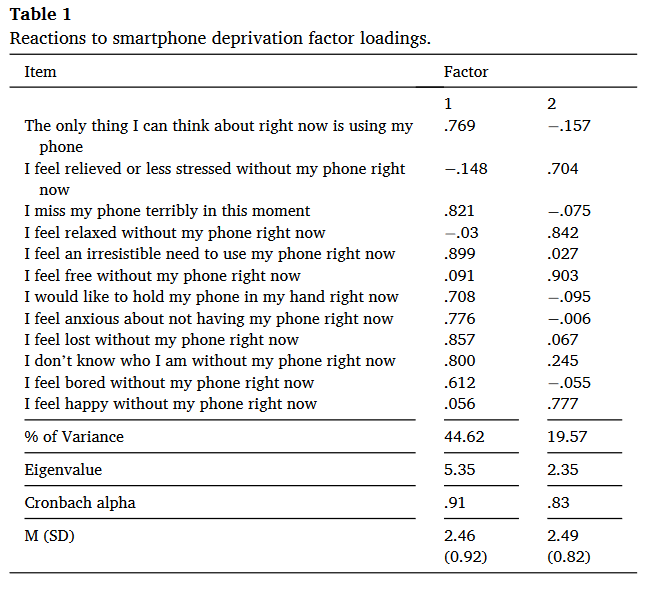
“Because of the diversity of reactions to smartphone deprivation, inpatient psychiatric unit clinicians should be aware of the duality of smartphone use and restriction among adolescents. Fostering youths’ awareness of the advantages and disadvantages of their smartphone use may facilitate behavior change related to problematic phone use after
leaving the hospital.” (Burke)

(Burke)

Burke, T. A., et al . (2022). Reactions to naturalistic smartphone deprivation among psychiatrically hospitalized adolescents. Journal of psychiatric research, 155, 17–23. Full Text for Emory Users

Continue reading →