Hot Topics: Staffing and leadership as drivers of nurse retention

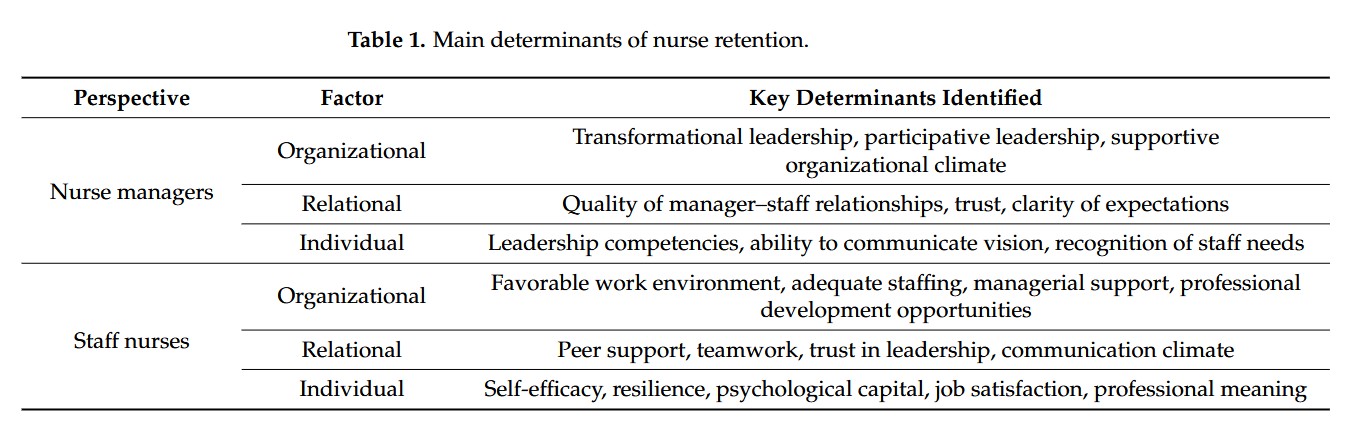
“A significant stressor among nurse managers is the challenge of matching adequate staffing to patient care needs while conserving expenses. Although staffing has been a long-standing challenge, it has steadily grown in complexity since the COVID-19 pandemic. During this time, the number of experienced baby boomer nurses have decreased due to
retirements as younger Generation Z (Gen Z) nurses began entering the profession, creating an “experience-complexity gap.” Meeting the developmental needs of the nursing workforce is just one part of the equation. Gen Z nurses’ changing values toward work
are reflected in their reluctance to work full-time and off-shifts. The increase in part-time nurses means higher numbers of nurses are reporting to individual nurse managers. Further complicating nurse staffing are newer models of care delivery that add licensed practical nurses and virtual nurses into the mix, resulting in increased stress and burnout among
nurse managers. It is imperative that nurse managers implement strategies to mitigate the burdens of their unit workforce.”

Continue reading

JONA Highlights: Assessing the Impact of ANCC Magnet Designation

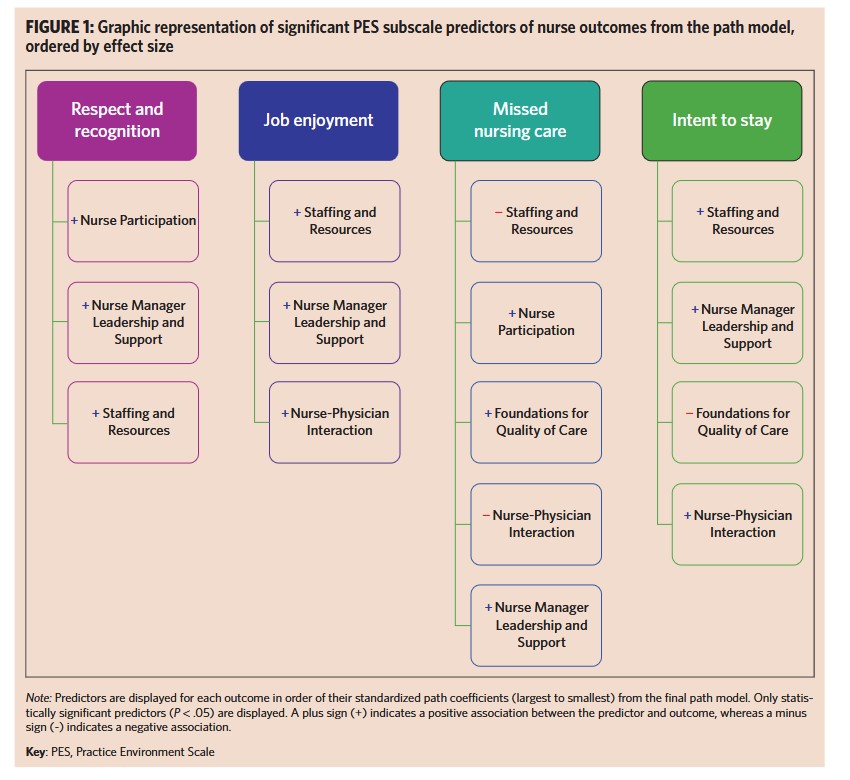
“Achieving Magnet designation is a significant milestone, but sustaining it may pose challenges. Magnet is a journey, not a destination. The journey does not end with recognition; rather, it demands ongoing readiness and leadership engagement to elevate nursing practice and improve patient outcomes. Petto et al identify the importance of leadership behaviors in sustaining quality outcomes and driving long-term success.”
“The Magnet Model provides a framework for nurse empowerment, professional development, and shared governance. Sustaining the journey fosters a positive work
environment, which leads to improved job satisfaction and lower turnover rates. Integrating Magnet principles into the organization’s strategic plan ensures that nursing initiatives align with the healthcare organization’s mission, vision, and values.”

  • “Evidence synthesis suggests Magnet recognition is associated with improved nurse work environments and selected patient outcomes, particularly mortality, failure to rescue, patient satisfaction, and fall prevention, while findings for infections, pressure injuries, length of
    stay, and perioperative complications are mixed.
  • Achieving Magnet status boosts the hospital’s reputation, nurturing the hospital’s competitive edge. It contributes to the structural score in most specialties of US News Best Hospitals, reflecting nursing excellence as recognized by the ANCC.
  • Some chief financial officers suggest Magnet recognition may be viewed favorably by bond rating agencies as part of broader assessments of organizational stability.
  • Magnet hospitals can attract highly qualified and ambitious nurses, strengthening the workforce and contributing to improved patient care”
Continue reading

JONA Highlights: Advancing Nursing Workforce Strategy Through a Tiered Academic Partnership Model

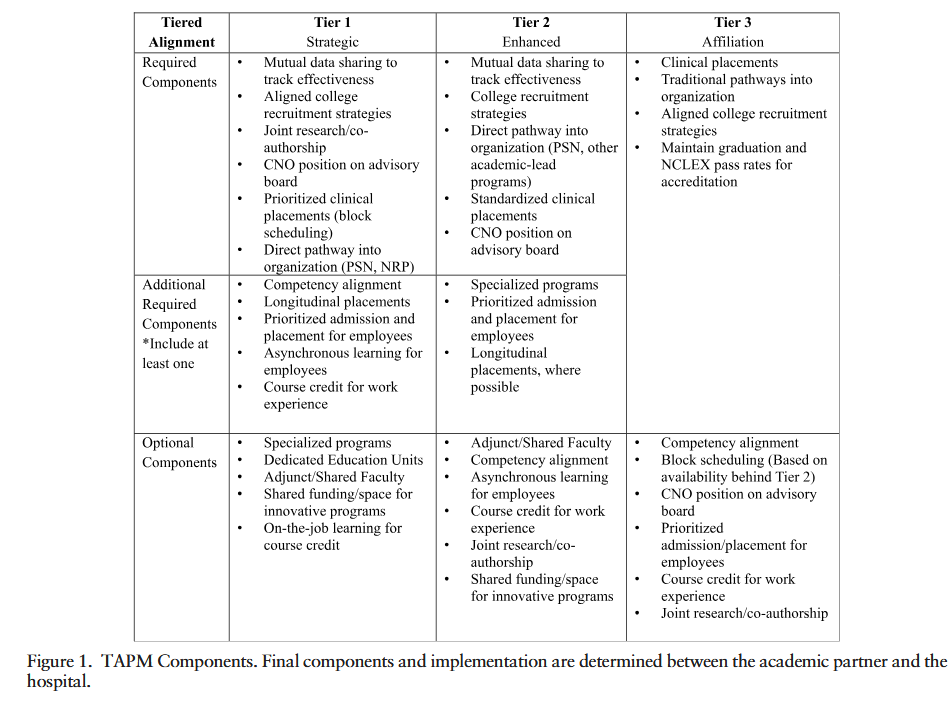
“The discrepancy between the supply and demand of RNs creates pressure on nursing leaders to find innovative solutions to strengthen the nursing workforce and reduce new graduate nurses’ time in orientation. In response, Memorial Hermann Health System leaders developed the Tiered Academic Partnership Model (TAPM). The model provides a strategic framework to align academic partnerships with health system nursing workforce priorities. The TAPM supports strategic, outcomes-driven partnerships between health systems and academic partners. TAPM categorizes partnerships into 3 tiers to optimize clinical placements, improve new graduate nurse readiness, and enhance conversion-to-hire rates. This scalable model fosters intentional collaboration, operational efficiency, and stronger workforce development.”

Continue reading

Nursing Highlights: Analyzing the role of connection in nurse well-being

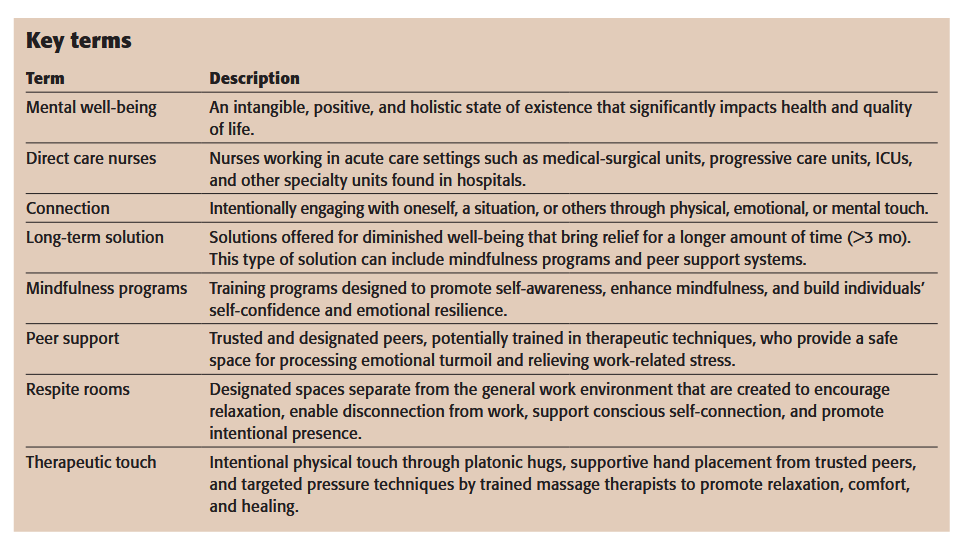
“As healthcare has become more critical and complex, so have nurses’ responsibilities,
expectations, and scopes of practice. Acute care nurses working at the bedside are subject to an immense amount of stress, anxiety, and burnout due to their work environment.
Although respect for the duties and profession of nursing has increased, the demands posed by various physical, mental, emotional, ethical, and moral challenges have also intensified. These challenges affect healthcare workers on both superficial and
systemic levels.”

Continue reading

Emory Authors: Approaches Implemented by Nurse Managers Linked to High-Performing Clinical Care Teams

“Retaining high-quality, healthy, and well-educated nurses is vital to health systems’ capacities to provide patients with safe and evidence-based care. Research consistently demonstrates the benefits to patient safety when hospitals are adequately staffed with qualified nurses. Yet, estimates show over one-third of nurses have expressed some intention to leave their jobs and that approximately 1 in 5 nurses leave their jobs annually.
In the Southeastern United States, nurse turnover and intent to leave are particularly acute relative to elsewhere in the nation. The COVID-19 pandemic exacerbated working conditions for many nurses, accelerating trends with increasing numbers of nurses leaving, or planning to leave their positions, and even the profession. Identifying scalable approaches to promote workplace well-being and foster nurse retention is urgently needed
to stymie continued losses to the nurse workforce.”

Continue reading

Library Resources for Emory Healthcare Staff

Access to library resources has recently been updated bring universal access across EHC, including the EDOU locations.

You can view the available resources at this link: Resources for Emory Healthcare Staff

You can also visit our LibGuide Library Resources for Emory Healthcare Staff. This includes additional resources including tutorials and guides.

New Nursing Continuing Education Page

The WHSC Library is committed to providing Emory students, faculty, and healthcare professionals with the resources necessary to prepare for specialty certification exams, license renewal and achieve advancements in your career.

To help support your continuing education and professional development, a new online Nursing Continuing Education guide from the WHSC Library links nurses from Emory Healthcare and the School of Nursing to sources of both free and library-subscribed nursing CEUs to help with license renewal.

This guide, along with the Nursing Certification Resources page, support our Emory healthcare communities and their dedication to patient care and safety.