
“Violence against health care workers encompasses physical, verbal, and psychological
assaults, which may lead to staff injuries, absenteeism, and subsequent financial losses
for institutions. Physical injuries and psychological trauma imposed on health care workers
lead to decreased job performance and increased staff turnover. A 2023 study showed that
employees subjected to workplace violence were more likely to consider quitting their jobs
(37%) than were those not subjected to workplace violence (12%), which highlights the critical need for interventions to address workplace violence in health care settings. Workplace violence also directly affects care quality by reducing staff efficiency and psychological capital, which contributes to losses in productivity and inattention to patient needs. This may, in turn, lead to misunderstandings, misdiagnoses, and suboptimal treatment outcomes.”
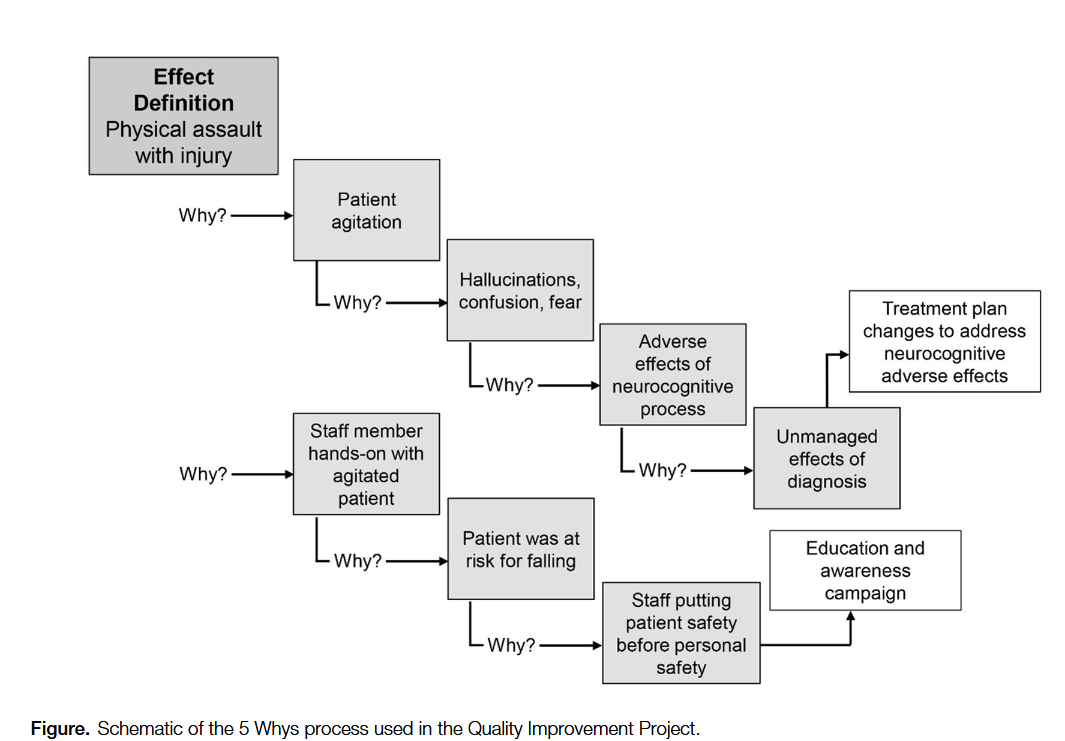
Babin, M. M., Horvath, P. R., Weiss, M. R., & Vang, Z. (2026). Proactive workplace violence prevention in health care. Journal of Nursing Care Quality, 41(1), 22–28.
Yew, S. Q., Sharial, M. S. Z. M., Yusoff, H. M., & Sharma, A. (2026). How to adequately report workplace violence in healthcare setting: A systematic review with hierarchical cluster analysis of workplace violence reporting forms. Journal of Nursing Management, 2026, 1–18.
Al-Aqqad, S., Talib, J., Eamar, D., Jumaa, R., & Bsharat, S. (2026). Workplace violence against female nurses in hospitals: prevalence, patterns, reporting barriers, and risk factors. Australian Journal of Advanced Nursing, 43(2), 38–47.
Lin, Y., Lin, T., Hung, Y., Feng, H., Liang, C., & Tzeng, W. (2026). Spherical video‐based virtual reality for nurses’ workplace violence management: A convergent mixed‐methods study. Journal of Advanced Nursing (John Wiley & Sons, Inc.), 82(10), 9344–9355.
Babin, M. M., Horvath, P. R., Weiss, M. R., & Vang, Z. (2026). Proactive workplace violence prevention in health care. Journal of Nursing Care Quality, 41(1), 22–28.

