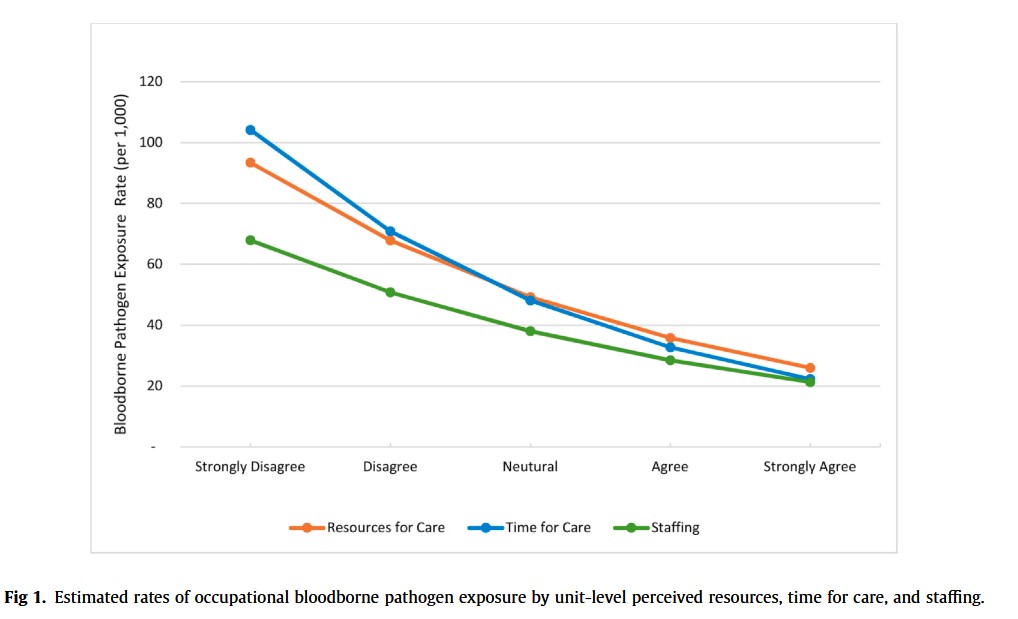
Emory Authors: Unit-level organizational resources and occupational exposure to bloodborne pathogens: A multi-hospital study

“Each year, roughly 300,000 hospital workers are exposed to bloodborne pathogens. These workers are at substantial risk due to frequent contact with patients, biological materials, and contaminated environments. Such exposures can result in significant physical, psychological, and economic consequences for affected workers and hospitals. Prior studies suggest that factors such as job role, work location, shift timing, and deviations from infection prevention guidelines may increase the likelihood of exposure to bloodborne pathogens among healthcare workers.”

Continue reading

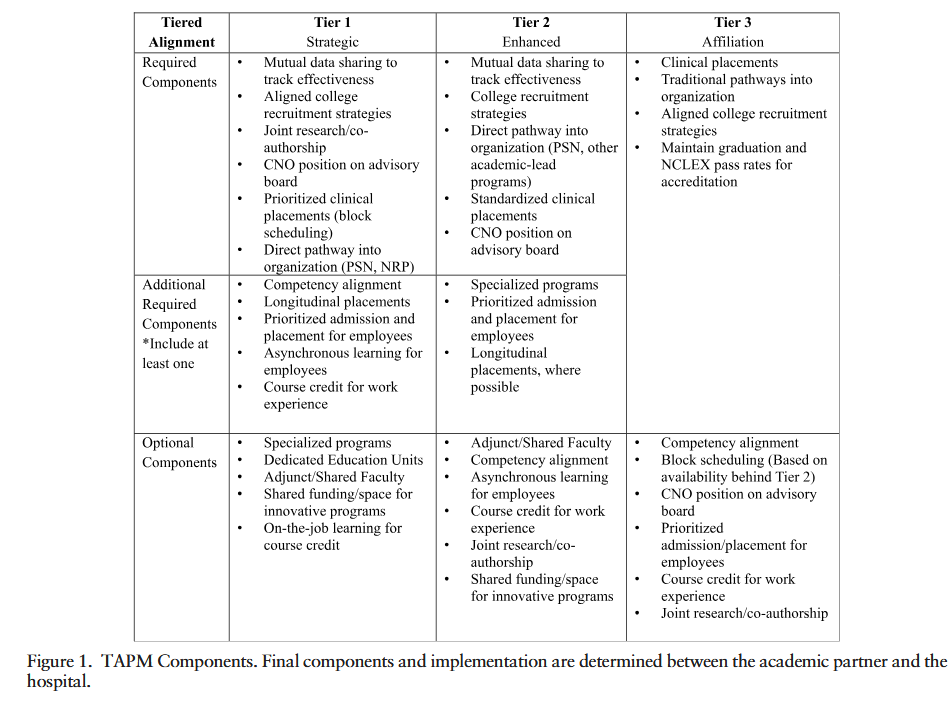
JONA Highlights: Advancing Nursing Workforce Strategy Through a Tiered Academic Partnership Model

“The discrepancy between the supply and demand of RNs creates pressure on nursing leaders to find innovative solutions to strengthen the nursing workforce and reduce new graduate nurses’ time in orientation. In response, Memorial Hermann Health System leaders developed the Tiered Academic Partnership Model (TAPM). The model provides a strategic framework to align academic partnerships with health system nursing workforce priorities. The TAPM supports strategic, outcomes-driven partnerships between health systems and academic partners. TAPM categorizes partnerships into 3 tiers to optimize clinical placements, improve new graduate nurse readiness, and enhance conversion-to-hire rates. This scalable model fosters intentional collaboration, operational efficiency, and stronger workforce development.”

Continue reading

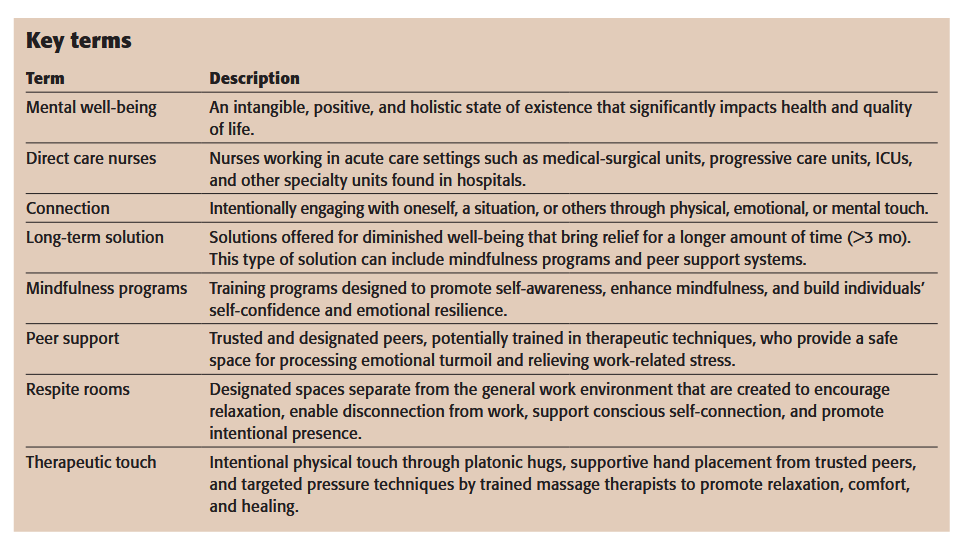
Nursing Highlights: Analyzing the role of connection in nurse well-being

“As healthcare has become more critical and complex, so have nurses’ responsibilities,
expectations, and scopes of practice. Acute care nurses working at the bedside are subject to an immense amount of stress, anxiety, and burnout due to their work environment.
Although respect for the duties and profession of nursing has increased, the demands posed by various physical, mental, emotional, ethical, and moral challenges have also intensified. These challenges affect healthcare workers on both superficial and
systemic levels.”

Continue reading