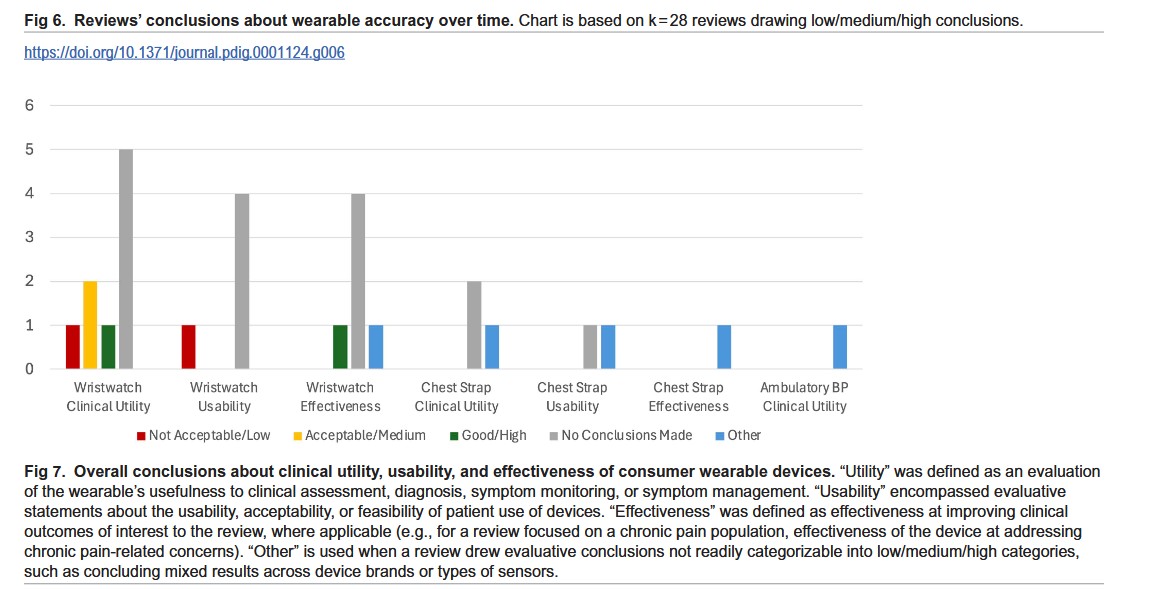
Emory Authors: Can consumer wearables support outpatient health monitoring for patients with post-acute infection syndromes? A systematic umbrella review of accuracy, validity, and clinical utility data

“Consumer health wearables—commercially available health tracking devices such as
smartwatches and other wearable sensors coupled to smartphones—have become
broadly adopted in the United States. A 2024 study found that 44.5% of Americans
reported using a wearable on a regular basis. These devices are designed to
passively and continuously collect physiological data, offering users a convenient,
data-driven, and readily available means of engaging with indicators of their health.
Biometrics tracked by consumer wearables with demonstrated links to health status
include heart rate, heart rate variability, blood oxygen saturation, electrodermal activity, blood pressure, and indices of sleep quantity and quality, among others.”
Continue reading

Noninvasive Oxygen Monitoring to improve patient outcomes

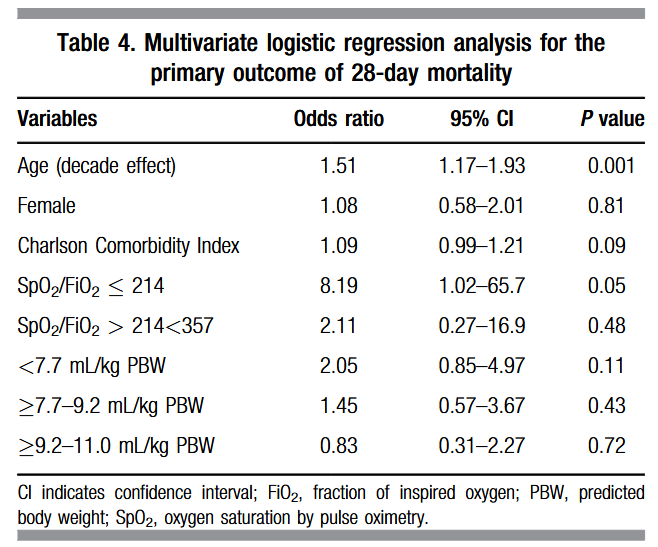
“The use of noninvasive ventilation (NIV) to treat acute respiratory failure is increasing NIV use decreases the rate of endotracheal intubation and mortality in patients with chronic obstructive pulmonary disease (COPD) exacerbations and reduces the rate of endotracheal intubation in patients with cardiogenic pulmonary edema. NIV is commonly used to treat acute respiratory failure on the wards. The benefits of tidal volume (Vte) reduction may be present in critically ill patients without acute respiratory distress syndrome (ARDS).However, an optimal expiratory Vte strategy in NIV for acute respiratory failure has not been well
established, except perhaps in patients with acute hypoxemic respiratory failure. Carteaux et al14 explored the feasibility of a low Vte strategy using NIV in acute hypoxemic respiratory
failure and found that higher Vte was associated with failure defined as need of intubation.”

Hayek, A. J., Scott, V., Yau, P., Zolfaghari, K., Goldwater, M., Almquist, J., Arroliga, A. C., & Ghamande, S. (2020). Bedside risk stratification for mortality in patients with acute respiratory failure treated with noninvasive ventilation. Baylor University Medical Center Proceedings, 33(2), 172–177.

Continue reading

Skin care of the premature neonate

“Premature infants have an underdeveloped epidermal barrier with few cornified layers increasing their risk for greater permeability by noxious agents, high water loss, delayed skin maturation, skin damage, and infection. Their skin is easily torn due to deficiency of dermal structural proteins. Stratum corneum (SC) maturation is rapid upon exposure to a dry environment. At 23 weeks, it is nearly absent, with transepidermal water loss (TEWL) of
75 g/m 2 /h. By week 26, a few cornified layers have formed (TEWL of ~45 g/m 2/h), corresponding essentially to a wounded skin surface. One month later, premature SC was not fully competent, as indicated by significantly higher TEWL (17 g/m 2 /h) than normal, full-term infants. Complete skin maturation may take as long as 9 weeks and longer for complete acid mantle formation.”

Visscher, M. O., Carr, A. N., & Narendran, V. (2021). Premature infant skin barrier maturation: status at full-term corrected age. Journal of Perinatology, 41(2), 232–239.

Continue reading

Emory Authors: Metabolomic Associations With Fatigue and Physical Function in Children With Cancer: A Pilot Study

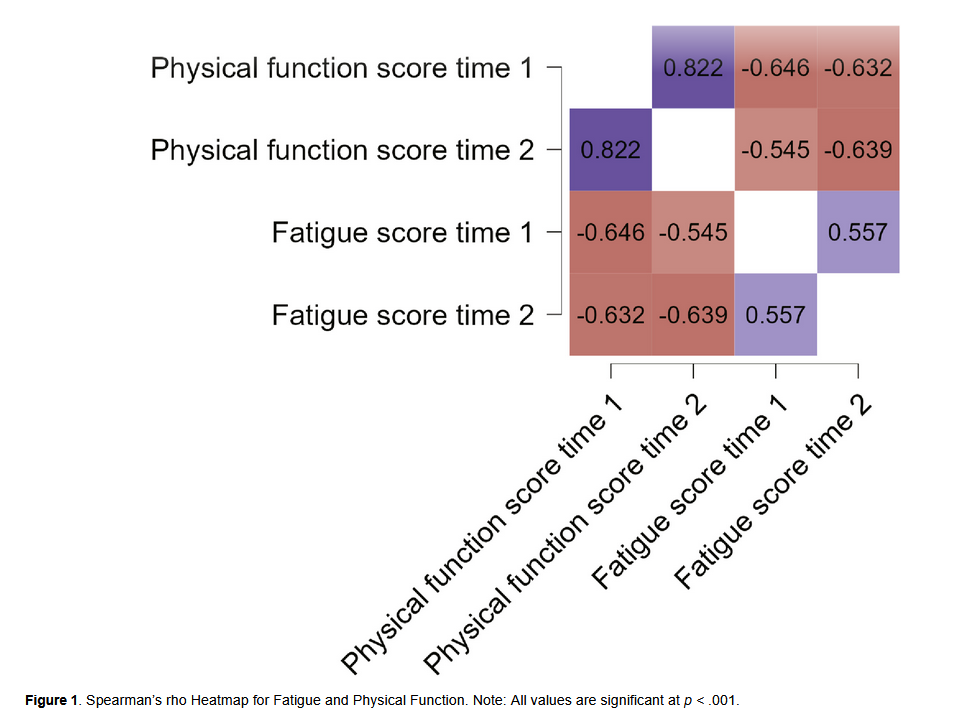
“Fatigue is the most commonly reported symptom in children and adolescents during and after treatment for cancer. Fatigue is associated with decreased quality of life and may contribute to decreased physical function and impede normal childhood development. Currently, the only validated way to measure fatigue is through collection of self-reported data which may not be feasible for all children, specifically younger or sicker children, or those with lower reading levels. Proxy (i.e., parent) reports are often used as substitute measures but may not replace a child’s own report. In the precision medicine era, identifying biomarkers for fatigue would be beneficial in screening for and applying interventions to address this common symptom. A metabolomic approach to unraveling symptom experiences is promising as it allows for investigation of multiple metabolites and pathways at once and can provide insight into the physiological status of an individual at any one point in time.”

Continue reading

Emory Authors: Confidence, commitment, and control: Nursing faculty experiences with teaching LGBTQ+ health

“Nursing education research demonstrates that lesbian, gay, bisexual, transgender and queer (LGBTQ+) health receives scant attention in nursing curricula. The American Nurses Association (ANA) advocates for “Nurse educators that will help fill the void in knowledge by incorporating the issues of the LGBTQ+ populations as part of the curricula”. Calls to
action from scholars and professional nursing organizations demonstrate that while nurse educators are responsible for including LGBTQ+ related content in nursing curricula, these topics are not adequately suffused into nursing training.”

Continue reading

Drills for low frequency, high acuity events

“Patient outcomes during crisis events directly link to healthcare providers’ swift and appropriate actions, with nurses often the first responders to crisis events within the hospital. Crisis events, such as rapid responses and cardiac arrests, can prompt staff fear and anxiety regardless of years of professional experience, leading to hesitation and low self-confidence in decision-making. To optimize patient outcomes in crisis events, nursing staff should identify a decompensating patient quickly and begin competently performing resuscitation tasks. Previous mock code studies have found alarming delays in resuscitation tasks and overall poor performance; recommendations often discuss the need to focus on the first responders and the tasks being completed before the code team’s arrival Thus, the most critical period of the resuscitation process is left in the hands of nursing staff as first responders.

Bennett, J., et al (2021). Optimizing Nursing Response to Crisis Events through In-Situ Simulation. Medsurg Nursing, 30(2), 108-114.

Continue reading

Emory Authors: Evaluating Stigma Toward Individuals With Substance Use Disorder Among Prelicensure Nursing Students

“Stigma is acutely problematic in health care. The effects of institutional and health care provider stigma toward People with Substance Use Disorder (PWSUD) are sizeable, resulting in undertreatment, resistance to seeking and undergoing treatment, diminished therapeutic alliance, and lower-quality care. In a recent scoping review, Cazalis et al
note that approximately 20% to 51% of health care providers potentially hold negative beliefs/feelings toward PWSUD. As a result, PWSUD underutilize health care services to avoid distressing and stigmatizing experiences within the health care system, such as
decreased health care provider regard and empathy and increased discrimination. Substantial effort is needed to mitigate stigma among health care providers to provide improved quality of care and life for those with SUD.”

Continue reading