Hot Topics: Gratitude journals can improve nurses’ mental well-being.

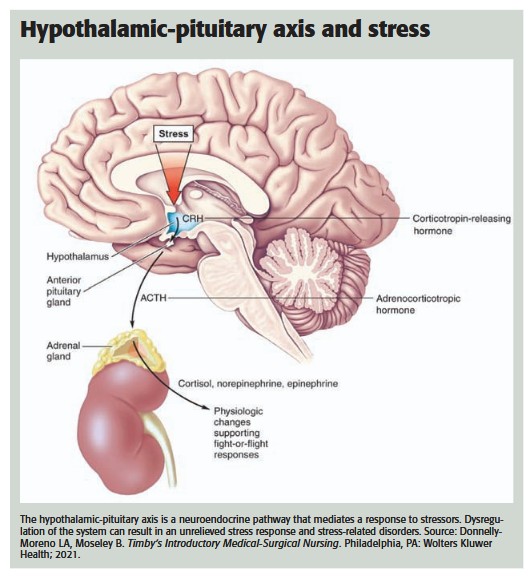
“Since the onset of the pandemic, nurses throughout the US have been feeling the effects of work burnout. The World Health Organization defines burnout as a syndrome that results from chronic workplace stress that has not been effectively managed. Burnout symptoms can range from physical feelings of exhaustion and low energy to reduced professional efficacy. A 2021 study that surveyed 1,834 nurses found that 54% of the respondents were experiencing burnout. The study also revealed a strong correlation between burnout and nursing turnover. With high rates of nursing turnover, care is more disjointed and teamwork for best patient outcomes becomes more difficult. Effective interventions are needed to help support mental health practices among nurses to mitigate high levels of burnout. Otherwise, not only are individual nurses at risk but the healthcare system may also be compromised.

Continue reading

RN Buddy system for in-hospital scheduled breaks.

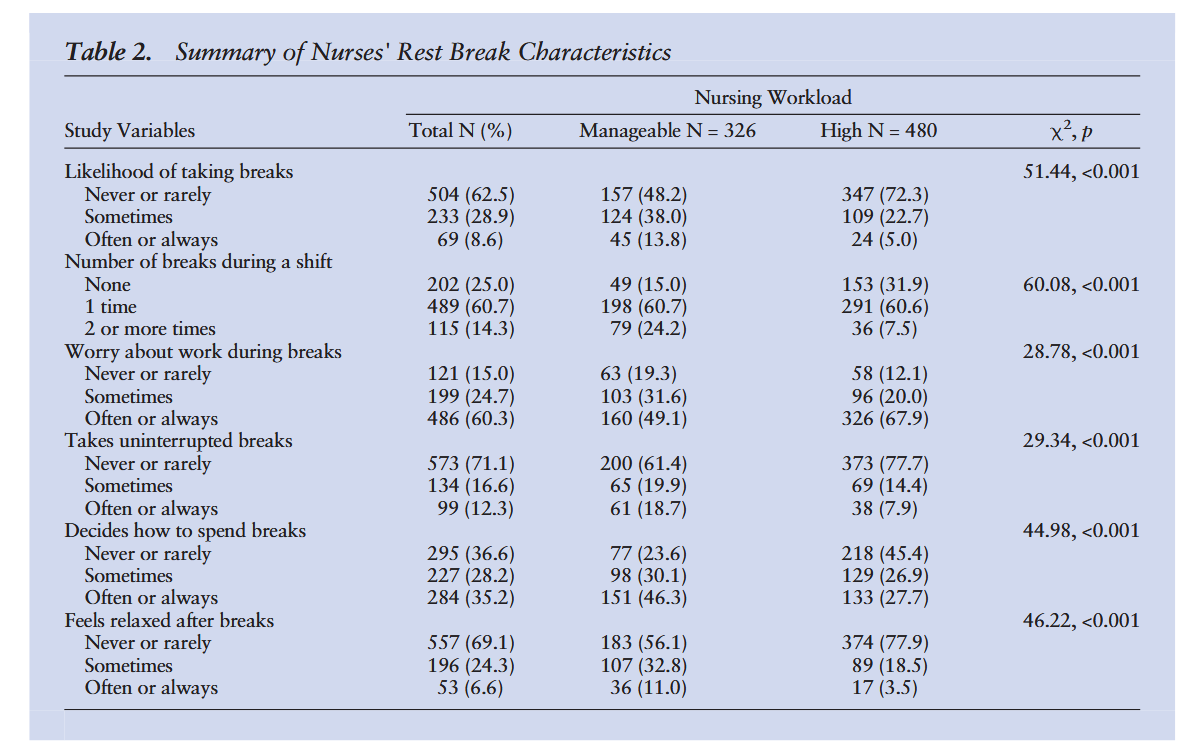
“Within the worked shift, rest breaks are short periods for employees to disengage from work activities and recuperate, at least partially, from the accumulated job strains and fatigue. The duration of breaks may range from a couple of minutes to 1 hour. In the
United States, rest break duration under federal regulations is classified into compensated rest periods (ie, 5-20 minutes) and unpaid meal periods (ie, 30 minutes or more).1 Typically, in the hospital environment, nurses at the bedside are allowed and expected to take 1 uninterrupted 30-minute meal break and offered an around 10- to 15-minute coffee break during a 12-hour shift. Many spend the time to eat, drink, rest, or nap, as well as socialize or listen to music.
Several studies found that taking rest breaks can benefit nurses, patients, and the organization. Nurses who took rest breaks had significantly better acute fatigue recovery and overall well-being, increased job satisfaction, and fewer patient-related adverse events
and intentions to leave the workplace.”

Sagherian, K., Cho, H., & Steege, L. M. (2023). The State of Rest Break Practices Among 12-Hour Shift Hospital Nurses in the United States. The Journal of nursing administration, 53(5), 277–283.

Continue reading

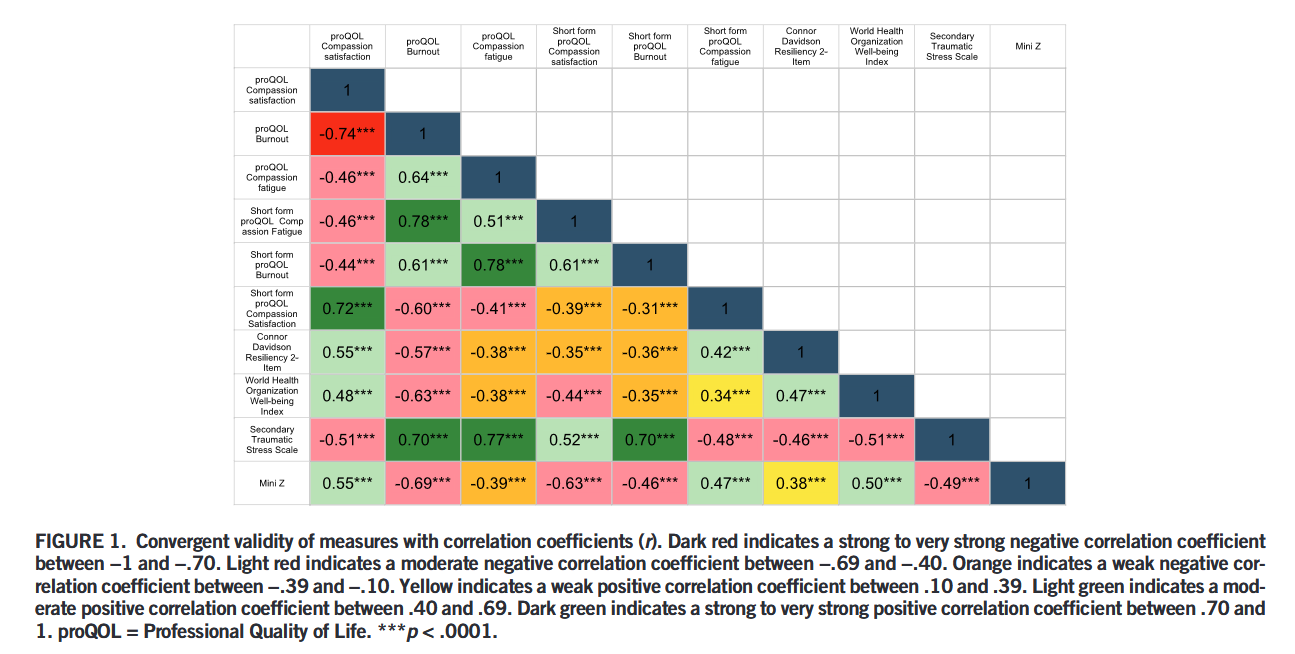
Emory Authors: Reliability and Validity of Measures Commonly Utilized to Assess Nurse Well-Being

“A healthy, competent nursing workforce is a vital component to ensuring patients receive high-quality, evidence-based care. However, unsafe work environments, patients’ ever-increasing complex care needs, and public health emergencies threaten the well-being of nurses and increase the risk of nurse burnout. Burnout is a psychological syndrome
resulting from chronic job-related interpersonal stressors; it manifests as overwhelming exhaustion, cynicism towards or detachment from the job, and feeling a sense of lacking professional achievement.”

Continue reading

Emory Authors: Burned Out on Burnout

“Fifty-six percent of nurses in a national sample reported burnout symptoms in 2022. Although the nursing literature on burnout dates back to 1978, nurses and other health professionals continue to grapple with this workplace phenomenon that leads to deleterious outcomes, including suicide. The suicide risk among US nurses now surpasses that of physicians. Stories of nurses who have died by suicide or considered it are emerging, and some are similar to this suicide note titled, “A Letter to My Abuser,” which was published as a letter to the editor from the nurse’s parents. More attention is needed to meaningfully address nursing burnout and this can be done by also using an equity lens.”

Continue reading