
“Resilience, or the ability to quickly recover and learn from setbacks, challenges, and adversity, is considered both a trait and a process. As a trait, resilience constitutes a combination of behaviors, thoughts, emotions and actions that aid in stress
management and encourage positive health outcomes. As a process, resilience represents the ability to recover quickly from stress or adversity. Resilience is known to safeguard against feeling overwhelmed due to stress. It also enforces mental stability and acts as a buffer to negative thoughts, feelings, and behaviors. To build resilience, it is important for each person to understand how they respond to and cope with major and minor stressors.”
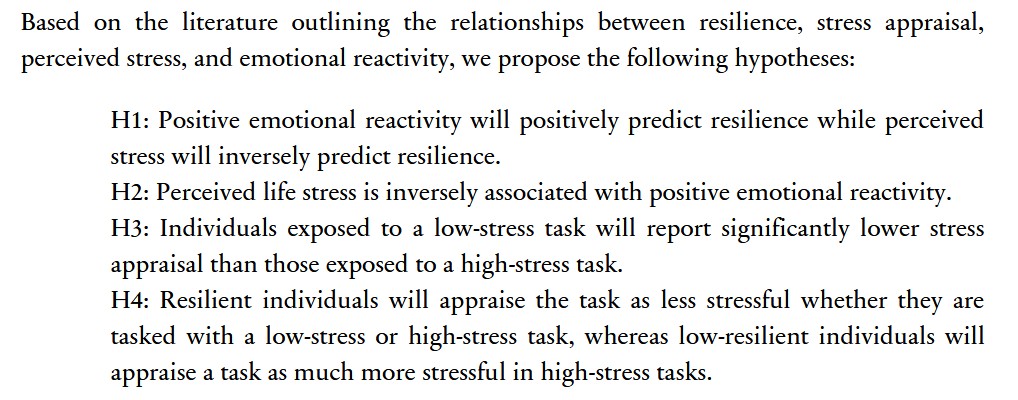
“Findings from this study indicate that an individual’s perception of stressors along with their
emotional reactivity to stressors, play an important role in developing resilience. The inability
to regulate stressors and emotions can result in a decreased ability to cope with and overcome life’s inevitable challenges, even if they are inconsequential. However, putting stress in perspective, maintaining an optimistic outlook and strengthening self-confidence, and having the ability to overcome or manage setbacks can bolster one’s ability to cope with stress.
Positive appraisals of stress have long been associated with resilient individuals. This skill can be learned by those who self-report lower resilience, helping them cope with stress. This study suggests that more positive health outcomes can be achieved through lower stress appraisal, positive emotional reactivity, and adaptive coping.”
Wilson, V., & Falcione, K. (2026). Developing Resilience: Exploring the Roles of Emotional Reactivity and Stress Appraisal. International Journal of Health, Wellness & Society, 16(1), 97–110.
 Evidence Matters