
“Gathering feedback from learners about their experiences with educational activities is vital for continuous quality improvement of learning activities and to gauge the effectiveness of teaching methods. Learners should be viewed as partners in their educational experience and be encouraged to share feedback on teaching and learning strategies, thus creating
a collaborative learning environment with faculty. Learners have valuable insights into the effectiveness and relevance of curricula and teaching methods, and their feedback can lead to more engaging and effective learning experiences, ultimately leading to better student outcomes and preparation for their future professional roles. Asking learners for
feedback about learning activities denotes respect, encourages active engagement in learning, and leads to process improvement. When learners feel heard and valued,
a sense of ownership of their education is created, and a more collaborative learning environment is fostered.”
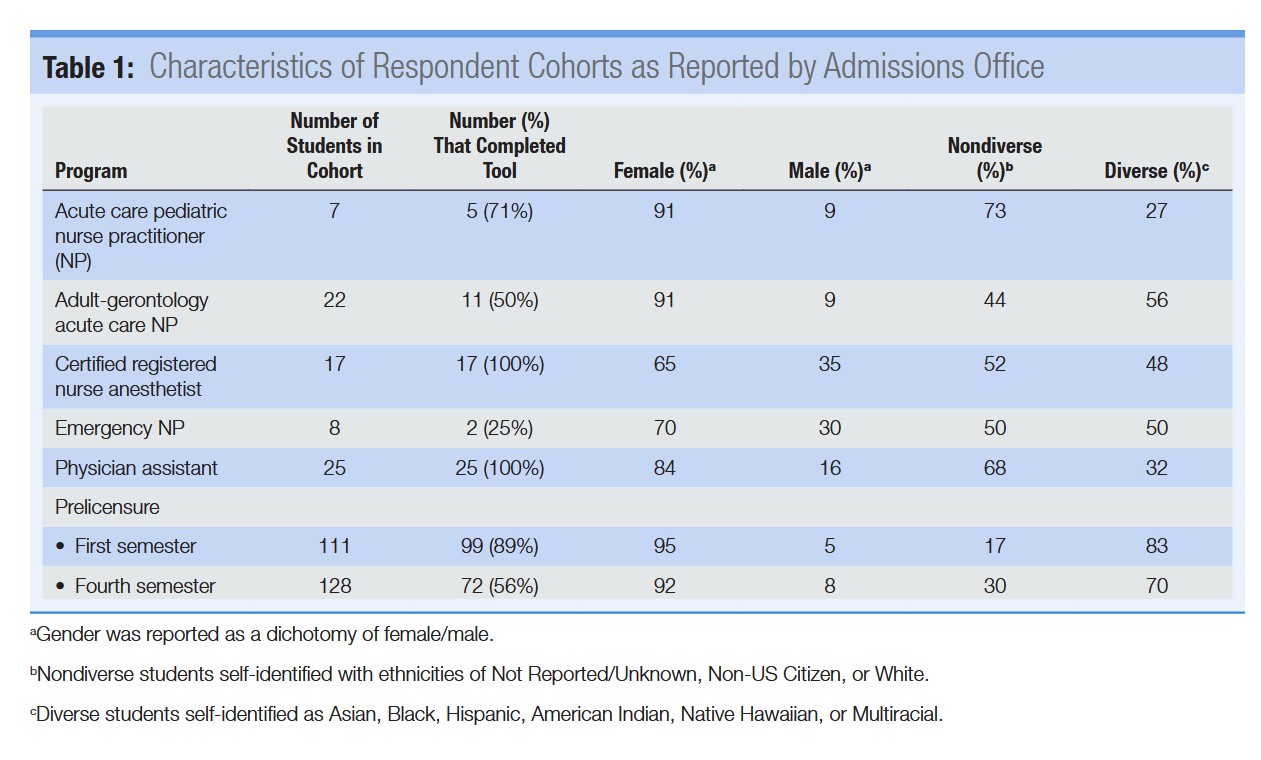
“The SBTET fills an important gap by providing a validated and reliable tool to assess the level of skill acquisition support, learning environment effectiveness, instructional clarity, and assessment conditions of skills-based learning activities as perceived by learners. The SBTET was developed as a conceptually valid tool and shown to be reliable through statistical analysis. For simulation programs that use the SET-M to evaluate scenario-based activities, the SBTET could be used as a complementary tool to evaluate skills-based activities.
The SBTET fosters learner engagement in creating a robust and responsive learning environment. Empowering learners to provide feedback on their learning can lead to better outcomes and a more effective education system. This approach showcases the learner perspective, which allows educators to refine and adapt activities to better suit learner needs by modifying instructional strategies, providing additional resources, or offering different learning opportunities. Actively seeking learner input and subsequently responding to learners’ concerns and ideas signals faculty receptivity and promotes learner success, which is the primary goal of educators.”
Wands, LisaMarie et al. “Capturing Learner Perspectives: Development and Validation of the Skills-Based Training Evaluation Tool.” Nursing education perspectives, 16 Apr. 2026
 Evidence Matters