The WHSC Library is committed to providing Emory students, faculty, and healthcare professionals with the resources necessary to prepare for specialty certification exams, license renewal and achieve advancements in your career.
To help support your continuing education and professional development, a new online Nursing Continuing Education guide from the WHSC Library links nurses from Emory Healthcare and the School of Nursing to sources of both free and library-subscribed nursing CEUs to help with license renewal.
This guide, along with the Nursing Certification Resources page, support our Emory healthcare communities and their dedication to patient care and safety.
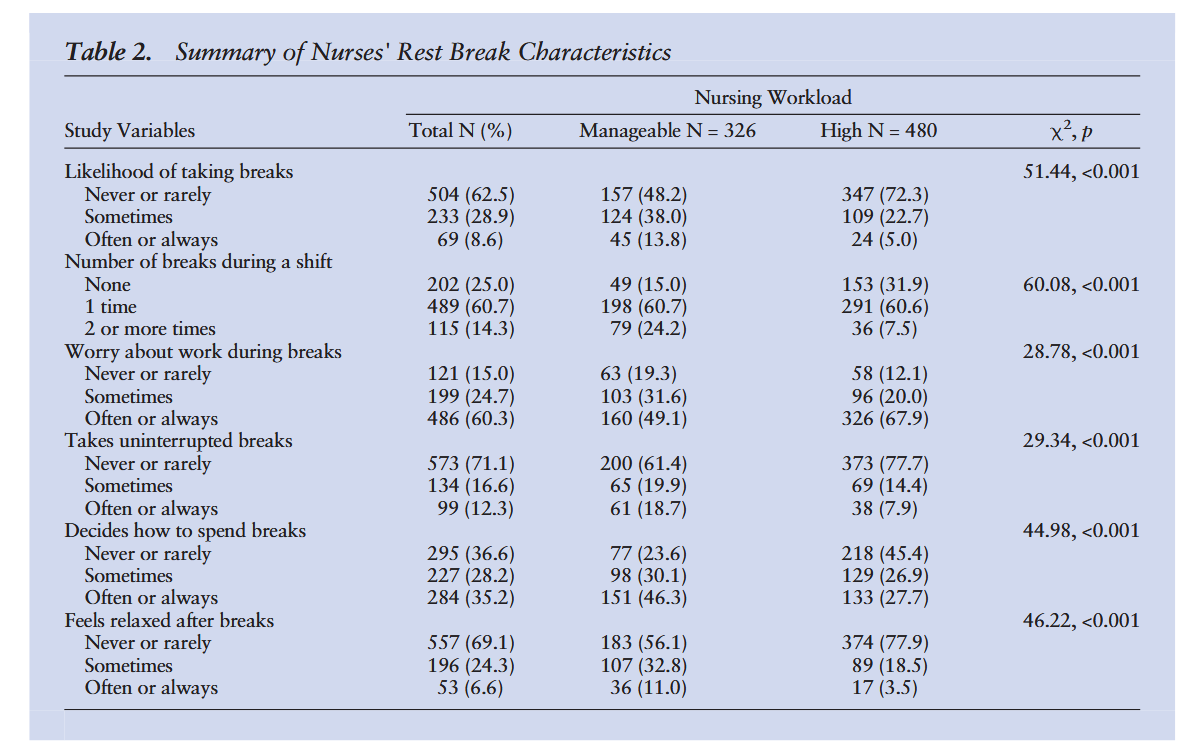
“Within the worked shift, rest breaks are short periods for employees to disengage from work activities and recuperate, at least partially, from the accumulated job strains and fatigue. The duration of breaks may range from a couple of minutes to 1 hour. In the United States, rest break duration under federal regulations is classified into compensated rest periods (ie, 5-20 minutes) and unpaid meal periods (ie, 30 minutes or more).1 Typically, in the hospital environment, nurses at the bedside are allowed and expected to take 1 uninterrupted 30-minute meal break and offered an around 10- to 15-minute coffee break during a 12-hour shift. Many spend the time to eat, drink, rest, or nap, as well as socialize or listen to music. Several studies found that taking rest breaks can benefit nurses, patients, and the organization. Nurses who took rest breaks had significantly better acute fatigue recovery and overall well-being, increased job satisfaction, and fewer patient-related adverse events and intentions to leave the workplace.”
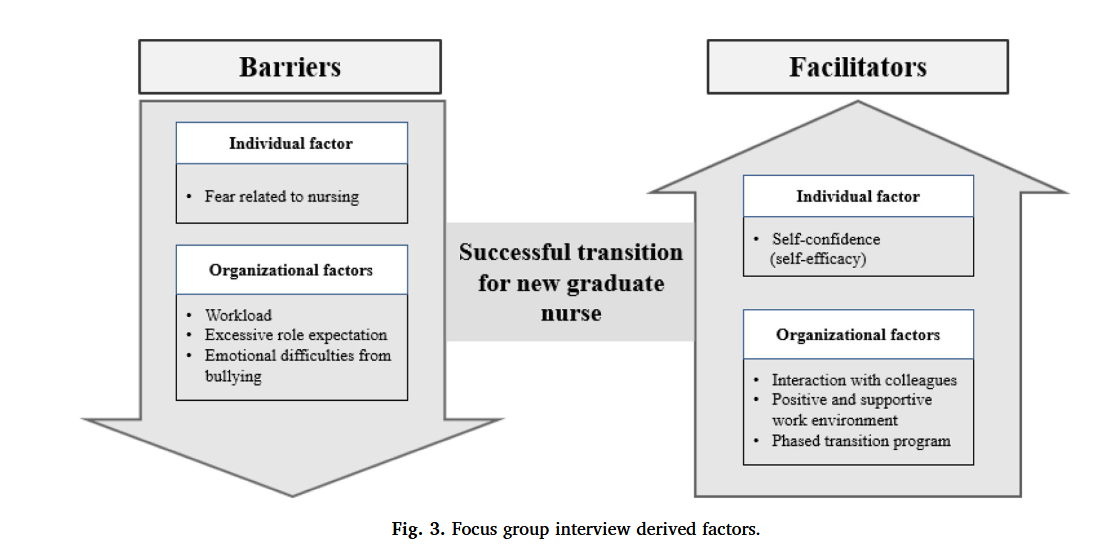
“During the transition from student to nurse, newly graduated nurses grow and develop as professionals, making this transition a critical period in their new careers. New graduate nurse attrition rate ranges from 30 to 70% in the United States, 28–30% in Canada, and 24.5–35.3% in Korea. Negative experiences during the transitional period, such as theory-practice gaps, not feeling valued or respected, and senior staff’s bullying or violent behaviors are commonly reported reasons for new graduate nurses leaving nursing jobs.”
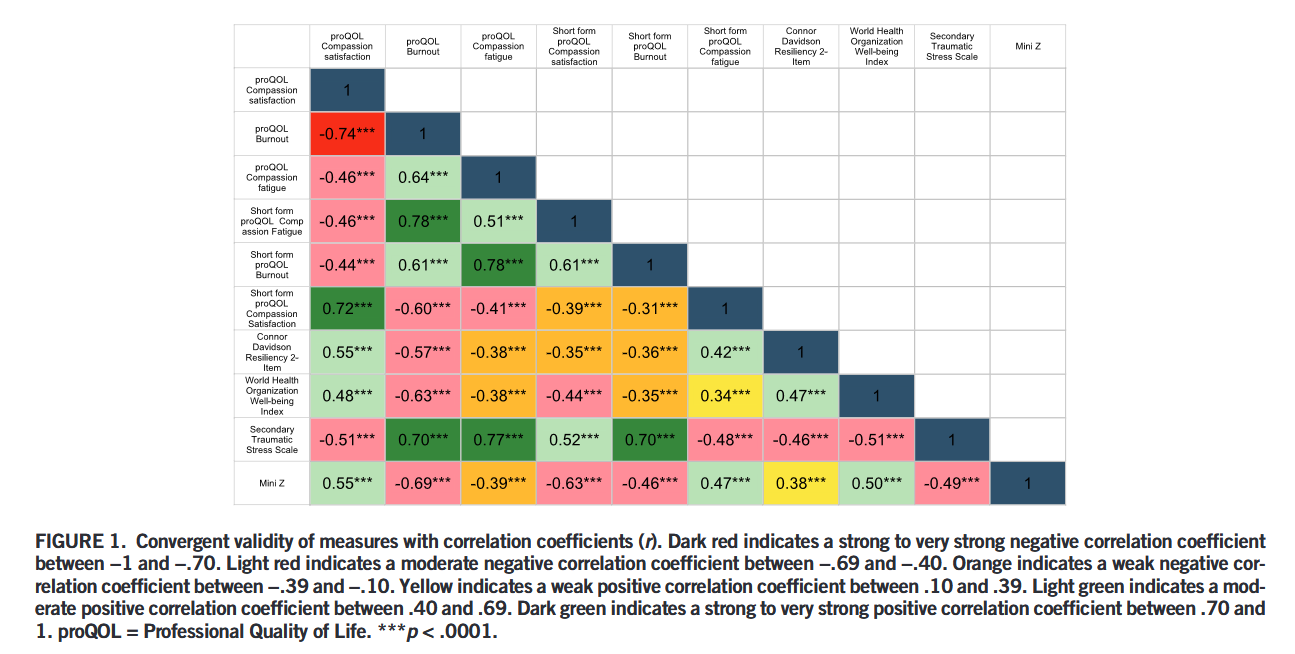
“A healthy, competent nursing workforce is a vital component to ensuring patients receive high-quality, evidence-based care. However, unsafe work environments, patients’ ever-increasing complex care needs, and public health emergencies threaten the well-being of nurses and increase the risk of nurse burnout. Burnout is a psychological syndrome resulting from chronic job-related interpersonal stressors; it manifests as overwhelming exhaustion, cynicism towards or detachment from the job, and feeling a sense of lacking professional achievement.”
“Incivility is prevalent in the clinical workplace and can lead to reduced self-confidence, adverse health effects, and negative implications for patient care. Cognitive rehearsal training (CRT) serves as a mental plan that individuals can use to counter incivility. This mixed-methods study examined select outcomes related to experiencing incivility for nursing students before and after receiving CRT and early into their professional practice. Many participants described experiencing incivility. Most found CRT useful and implemented the general approach of pausing and thinking before responding. Incorporating CRT into prelicensure education has potential for decreasing the effects of incivility and protecting professional well-being.”
“COGNITIVE REHEARSAL TRAINING Following the training structure developed by Griffin (2004), CRT included one hour of didactic presentation on incivility and its consequences and one hour of interactive small-group role-play, during which participants practiced first pausing after experiencing an uncivil remark or gesture and then utilizing a scripted response to address the incivility. The pause mitigates emotional reaction, and the use of a scripted response reduces cognitive burden in the moment.”
“SIMULATION-BASED LEARNING EXPERIENCE Students participated in the SBLE one to three weeks following CRT. The objectives of the SBLE were for students to work in small groups to provide care to multiple patients, recognize incivility, and utilize CRT strategies to deflect incivility. The SBLE was designed following standards of best practice for simulation by a certified health care simulation educator.”
“There is no one definition of resilience. It is a fascinating word because it simultaneously can invoke great meaning—such as the ability to reclaim purpose or dignity following trauma—and imply wholly different things to different people”
“Nurses were intimately familiar with moral distress and burnout prior to COVID-19. When the pandemic began, it brought an avalanche of stressors that piled on top of existing nursing strain from decades of cumulative, unaddressed system dysfunction. The nursing resignations that have followed are not a function of individual nurses’ mental strength or ability to perform self-care during off-hours; they are a function of many health care systems’ failure to recognize and invest in the nursing workforce. The truth is that the majority of nurses show a great capacity for resilience. Resilience is a requirement for long-term success in most nursing roles. (In ideal training settings, this inherent resilience is enhanced through mentorship and teaching. During the pandemic, it was health care systems that crumbled under mounting pressures while nurses often carried the pieces.”