“The history of American nursing is a record of care across social, racial, economic, and geographic lines. The profession has long aligned itself with the needs of the underserved,
sometimes in direct opposition to the social norms of the time. One of the earliest examples are Lillian Wald, a New York nurse and social reformer serving the immigrant community of New York City’s lower east side, and Mary Eliza Mahoney, who became the first African American professionally trained nurse in the United States in 1879. Both, in their own ways,
championed equity and integration in nursing education and care, laying a foundation for social and racial equity in the profession.”
Category Archives: Emory Authors
Emory Authors: Confidence, commitment, and control: Nursing faculty experiences with teaching LGBTQ+ health
“Nursing education research demonstrates that lesbian, gay, bisexual, transgender and queer (LGBTQ+) health receives scant attention in nursing curricula. The American Nurses Association (ANA) advocates for “Nurse educators that will help fill the void in knowledge by incorporating the issues of the LGBTQ+ populations as part of the curricula”. Calls to
action from scholars and professional nursing organizations demonstrate that while nurse educators are responsible for including LGBTQ+ related content in nursing curricula, these topics are not adequately suffused into nursing training.”

Emory Authors: Fluid Resuscitation in the Treatment of Acute Pancreatitis: Rate and Volume Controversies
“The aim of the Research to Practice column is to enhance the research critique abilities of both advanced practice registered nurses and emergency nurses, while also aiding in the translation of research findings into clinical practice. Each column focuses on a specific topic and research study. In this article, we used a scenario of left upper quadrant pain to explore the study by de-Madaria et al., titled “Aggressive or moderate fluid resuscitation in acute pancreatitis”.

Emory Authors: Evaluating Stigma Toward Individuals With Substance Use Disorder Among Prelicensure Nursing Students
“Stigma is acutely problematic in health care. The effects of institutional and health care provider stigma toward People with Substance Use Disorder (PWSUD) are sizeable, resulting in undertreatment, resistance to seeking and undergoing treatment, diminished therapeutic alliance, and lower-quality care. In a recent scoping review, Cazalis et al
note that approximately 20% to 51% of health care providers potentially hold negative beliefs/feelings toward PWSUD. As a result, PWSUD underutilize health care services to avoid distressing and stigmatizing experiences within the health care system, such as
decreased health care provider regard and empathy and increased discrimination. Substantial effort is needed to mitigate stigma among health care providers to provide improved quality of care and life for those with SUD.”

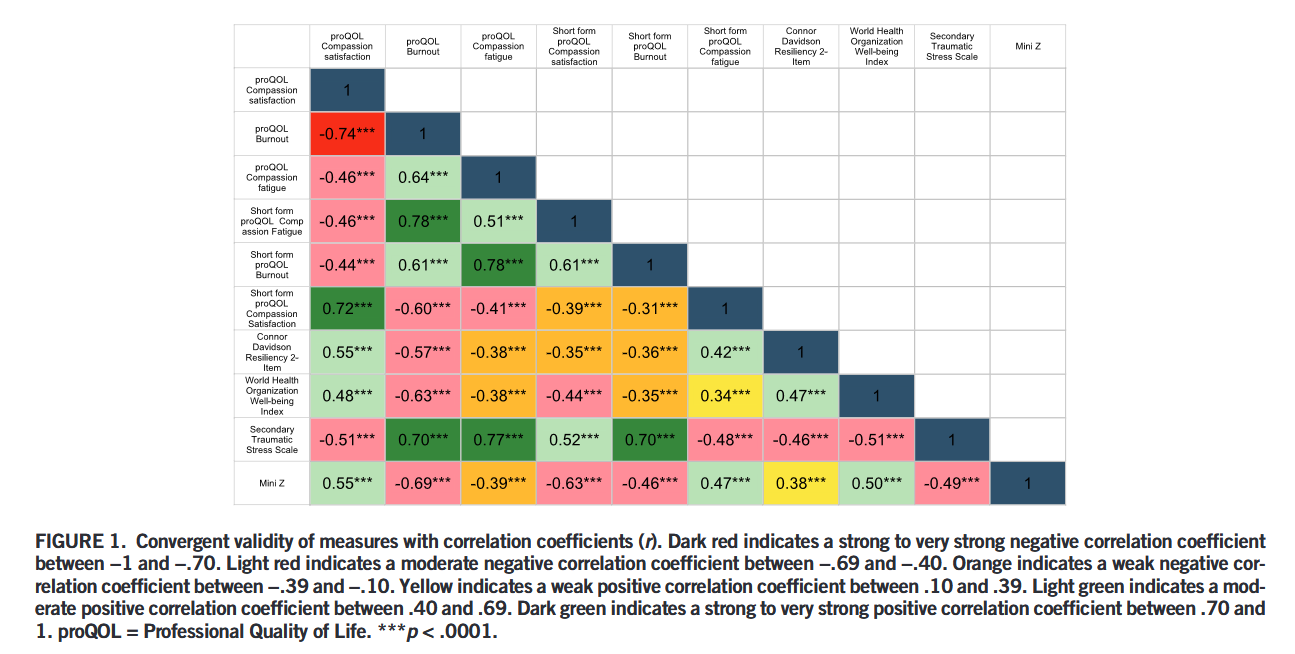
Emory Authors: Reliability and Validity of Measures Commonly Utilized to Assess Nurse Well-Being
“A healthy, competent nursing workforce is a vital component to ensuring patients receive high-quality, evidence-based care. However, unsafe work environments, patients’ ever-increasing complex care needs, and public health emergencies threaten the well-being of nurses and increase the risk of nurse burnout. Burnout is a psychological syndrome
resulting from chronic job-related interpersonal stressors; it manifests as overwhelming exhaustion, cynicism towards or detachment from the job, and feeling a sense of lacking professional achievement.”

Nurse Residency Posters: ICU, I Hear You
Emory Authors: Reject the “Practice Readiness Myth”
“The nursing profession is engaged in robust national dialogue on how to implement competency-based education. This dialogue often conflates the concept of “competency-based education” with nursing “competence” or “practice readiness.” Our aim is to discuss the potential harms of conflating “competency-based education” with “competence” or “practice readiness.” This commentary explores the possible risks of issue conflation. Risks include (a) suggesting that nurses who have successfully obtained licensure are not “competent” or “ready to practice,” and (b) de-emphasizing the importance of safe and sustainable work environments for new graduate nurses. We discuss the need to separate conversations about “competency-based education” and “practice readiness”; the need to increase the clarity and specificity of discourse surrounding competency-based education; and the need for strategic alignment across academia and practice.”