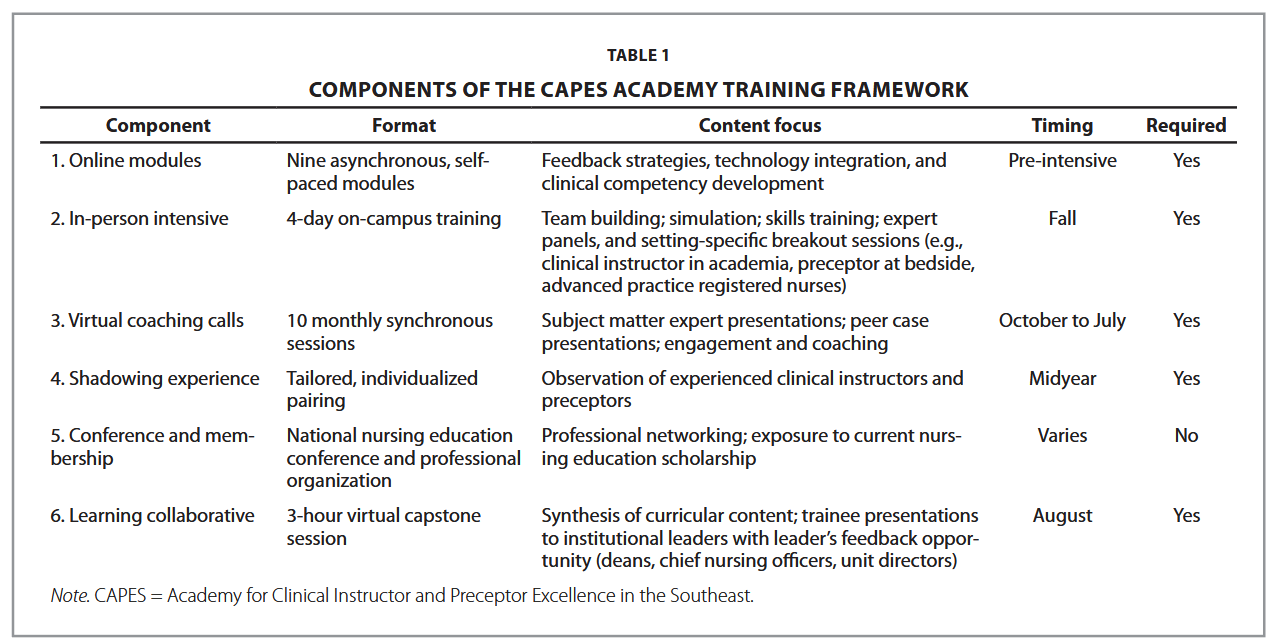
Emory Authors: Closing the Gap: A Clinical Instructor and Preceptor Academy to Address Educator Shortages and Improve Teaching Confidence

“An aging U.S. population and the increasing complexity of care have intensified the demand for nurses, and a critical shortage of clinical instructors and preceptors (CIPs) threatens the nursing workforce pathway. Experienced nurses are frequently assigned preceptor roles without formal preparation in clinical teaching, feedback, or learner evaluation, which contributes to dissatisfaction and burnout among CIPs and learners alike. Clinical teaching should be attractive, engaging, and meaningful to CIPs rather than a
source of personal liability or stress. Nurses often report that they are not asked, compensated, trained, or resourced to precept—even though it is known that CIPs require specialized, evidence-based training and practical resources to help prepare the next generation of nurses. The challenge is compounded by limited access to high-quality continuing education specifically designed for clinical teaching roles. Available training
resources either require out-of-pocket costs or restrict participation to highly selective programs for baccalaureate-prepared clinical nurses.”

Continue reading

Emory Authors: Reimagining the Preceptor Role.

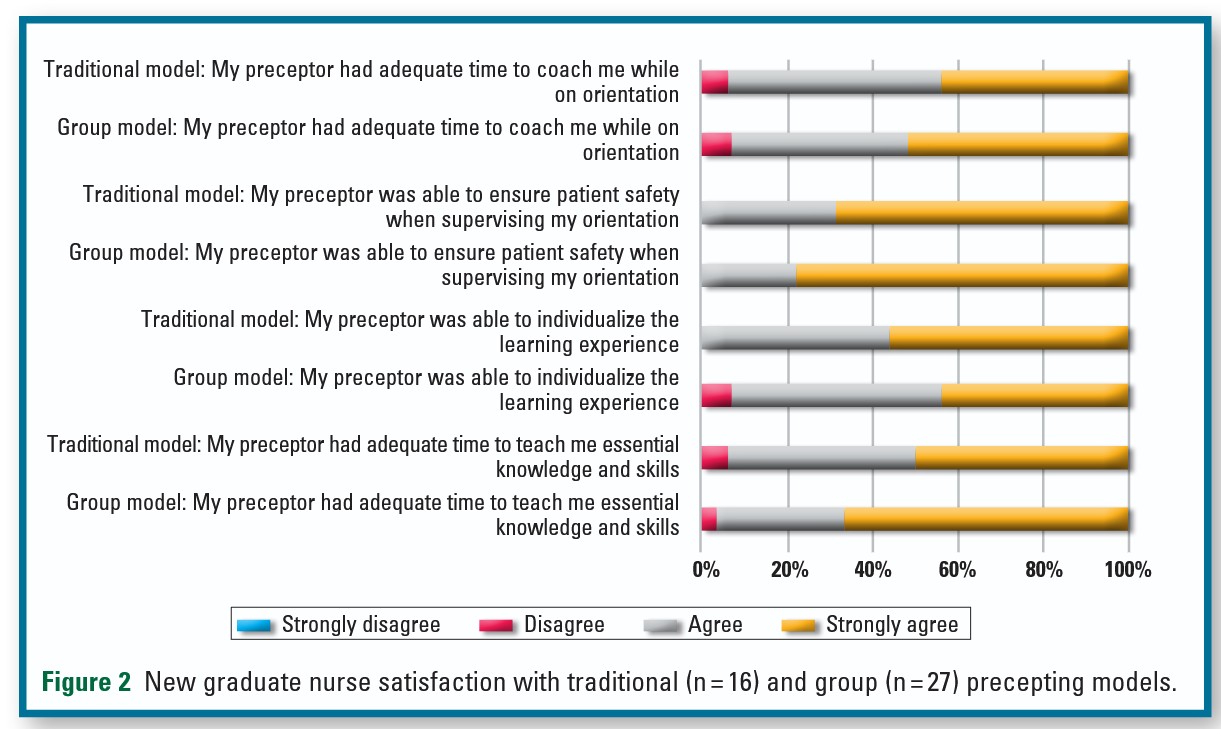
“Preceptors are responsible for departmental specific orientation and shaping the development of the new graduate in the early weeks and months of their nursing career. Turnover of direct care nurses has increased at an alarming rate since the start of the pandemic and new graduate nurses continue to be in high demand, but the diminishing number of qualified preceptors presents a challenge. Innovative approaches are needed to make way for increasing the pace of hiring and onboarding new graduates. A group orientation approach was identified as an opportunity to re-design orientation for newly licensed registered nurses in an employer-based transition to practice nurse residency programs. Findings from the first cohort suggest that leaders, preceptors, direct care nurses, and new graduate orientees were satisfied with a group orientation model. Preparing novice nurses to enter practice requires organizational commitment and resources. Group orientation may be a useful approach to foster new graduate nurses’ transition to practice and advance the preceptor role.” (McDermott)

Continue reading