JONA Highlights: Addressing the Shortage of Academic Nurse Educators-An Opportunity for Collaboration Between Academic and Healthcare Organization Leaders.

“The nursing shortage is not new; however, it has been exacerbated by burnout, mass resignations, and alternative employment options during the COVID-19 crisis. A reported lack of academic nurse educators (ANEs) and impending shortages are predicted to have a negative impact on the nursing workforce. Academic nurse educators are licensed RNs with an advanced degree, typically a master’s in nursing, a doctorate of nursing practice, an EdD, or a PhD, and employed by a university, college, or school of nursing. The dearth of ANEs has led nursing programs to cap the number of accepted students, contributing to the nursing shortage. According to the National League for Nursing, the faculty shortage
across all nursing programs has almost doubled from 669 vacancies3 in 2019 to 1005 vacancies in 2022.”

Continue reading

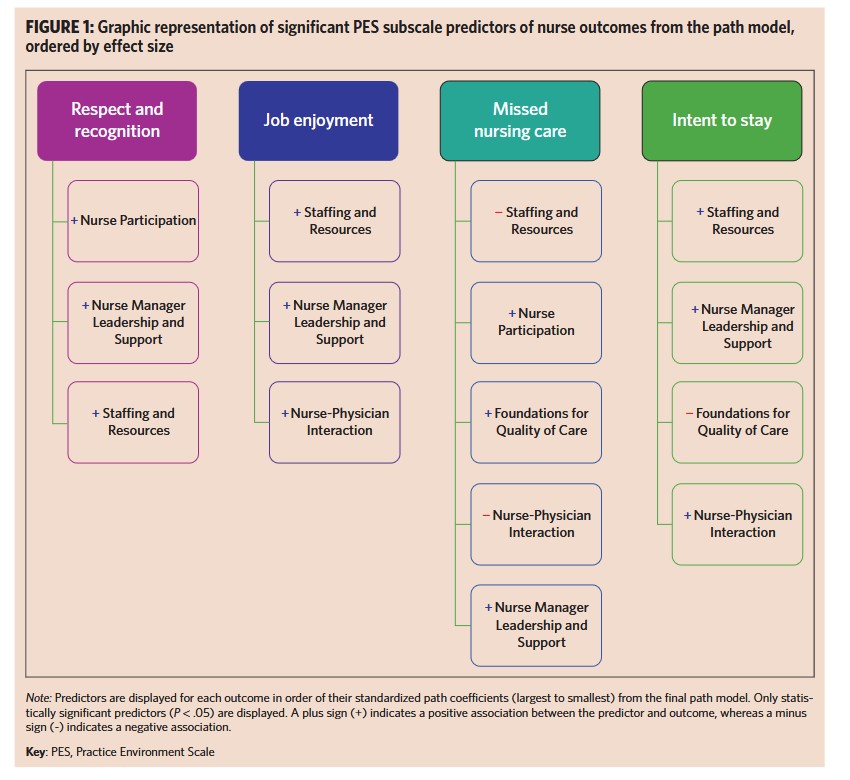
Emory Authors: Approaches Implemented by Nurse Managers Linked to High-Performing Clinical Care Teams

“Retaining high-quality, healthy, and well-educated nurses is vital to health systems’ capacities to provide patients with safe and evidence-based care. Research consistently demonstrates the benefits to patient safety when hospitals are adequately staffed with qualified nurses. Yet, estimates show over one-third of nurses have expressed some intention to leave their jobs and that approximately 1 in 5 nurses leave their jobs annually.
In the Southeastern United States, nurse turnover and intent to leave are particularly acute relative to elsewhere in the nation. The COVID-19 pandemic exacerbated working conditions for many nurses, accelerating trends with increasing numbers of nurses leaving, or planning to leave their positions, and even the profession. Identifying scalable approaches to promote workplace well-being and foster nurse retention is urgently needed
to stymie continued losses to the nurse workforce.”

Continue reading

Library Resources for Emory Healthcare Staff

Access to library resources has recently been updated bring universal access across EHC, including the EDOU locations.

You can view the available resources at this link: Resources for Emory Healthcare Staff

You can also visit our LibGuide Library Resources for Emory Healthcare Staff. This includes additional resources including tutorials and guides.

Emory Authors: Capture of Patient Itch Scores in Practice Reveals Disparate Itch Impact on the Basis of Age, Gender, and Race: A Cross-Sectional Survey Analysis

“The complete impact of skin disease on patients represents a sum of disease impacts in multiple domains, including symptom, emotional, and functional impacts. These domains
define the patient’s illness experience, which can be different from what physicians perceive when they examine the skin. Consistently capturing and quantifying disease impact in individual patients in routine clinical dermatology practice are difficult. Measures of disease activity, when captured in dermatology practice, tend to focus on objective measures such as skin erythema and scale or body surface area involved. Skin symptom burden may not readily be observed by clinicians, resulting in underestimating skin disease burdens.”

Continue reading