“Mathematical Programming (optimisation) (MP)-based nursing research has been published for nearly thirty years almost exclusively in industrial engineering or health business administration journals, demonstrating a widening gap between nursing research and practice. Nurse scientists’ knowledge and skill of MP is insufficient, as are their interdisciplinary collaborations, setting back the advancement of nursing science. Above all, nurse scientists skilled in decision science are desperately needed for that analytic intellection which is rooted in the intrinsic nature and value of nursing care. It is imperative that nurse scientists be well-prepared for the new age of the Fourth Industrial Revolution through both an education in MP and interdisciplinary collaboration with decision science experts in order to prevent potential stereotyped MP-based algorithm-driven destructive influences.
The current global nursing shortage makes optimal nursing workforce staffing and scheduling more important. MP helps nurse executives and leaders to ensure the most efficient number of nurses with the most effective composition of nurse staffing at the right time for a reasonable cost. Nurse scientists urgently need to produce a new nursing knowledge base that is directly implementable in nursing practice.” (Park)
Emory Authors: Reimagining the Preceptor Role.
“Preceptors are responsible for departmental specific orientation and shaping the development of the new graduate in the early weeks and months of their nursing career. Turnover of direct care nurses has increased at an alarming rate since the start of the pandemic and new graduate nurses continue to be in high demand, but the diminishing number of qualified preceptors presents a challenge. Innovative approaches are needed to make way for increasing the pace of hiring and onboarding new graduates. A group orientation approach was identified as an opportunity to re-design orientation for newly licensed registered nurses in an employer-based transition to practice nurse residency programs. Findings from the first cohort suggest that leaders, preceptors, direct care nurses, and new graduate orientees were satisfied with a group orientation model. Preparing novice nurses to enter practice requires organizational commitment and resources. Group orientation may be a useful approach to foster new graduate nurses’ transition to practice and advance the preceptor role.” (McDermott)
Continue readingMusic therapy for pain and anxiety
“There is little research on the use of music therapy with pediatric chronic pain conditions such as amplified pain syndromes. The purpose of the current study was to examine the effects of 3 specific music therapy interventions (active music engagement, live patient-selected music, and music-assisted relaxation) on anxiety and relaxation levels in youth
(ages 10–18) participating in a 40 hr per week hospital-based intensive interdisciplinary pain treatment program.”
“Results show that when utilized within an interdisciplinary treatment environment, specific music therapy interventions elicited positive changes in relaxation and current somatic and cognitive anxiety levels in youth with amplified pain syndromes. Replication of this project with a larger sample size and a control group would lead to more confidence in these preliminary findings”
Comparing Three Music Therapy Interventions for Anxiety and Relaxation in Youth With Amplified Pain.(includes abstract) Scheufler, Ashley; Wallace, Dustin P; Fox, Emily Journal of Music Therapy, Summer2021; 58(2): 177-200. 24p
Continue readingVirtual or Telehealth Nursing
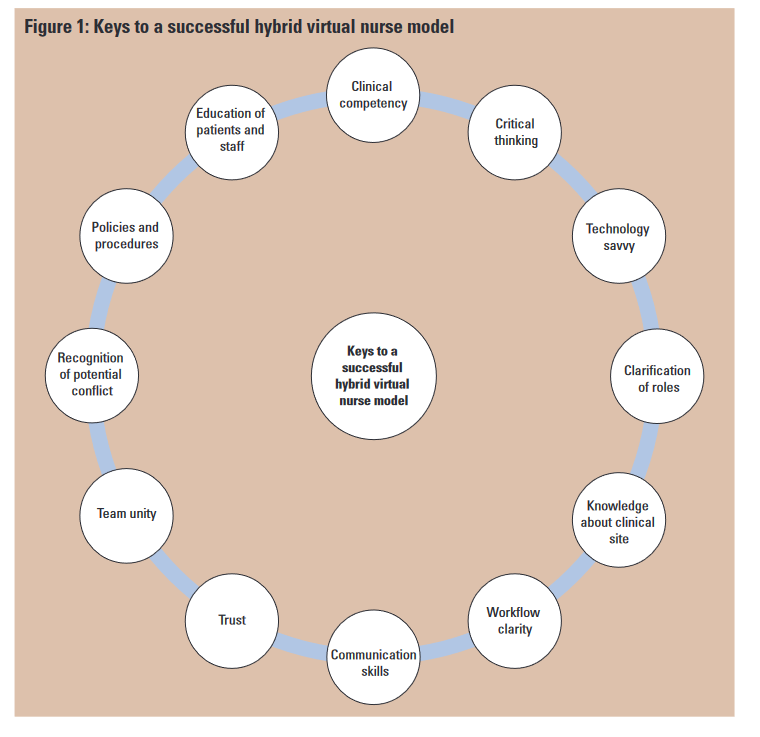
“As new nursing care models emerge, care delivery must become more flexible. With the increasing demand for advanced technology when caring for patients, it’s more important than ever to integrate creative solutions that reflect scope of practice, clinical competency, critical thinking, and excellent communication skills to enhance the patient’s experience or quality of care.” (Russell)

| A hybrid virtual nurse model.(includes abstract) Russell, Mary Beth Nursing Management, Feb2023; 54(2): 42-49. 8p. (Article – pictorial, research, systematic review, tables/charts) ISSN: 0744-6314 |
| A telehealth nursing intervention to improve the transition from the neonatal intensive care unit to home for infants & caregivers: Preliminary evaluation.(includes abstract) Sarik, Danielle et al Journal of Pediatric Nursing, Nov2022; 67 139-147. 9p. (Article – research) ISSN: 0882-5963 A virtual nurse practitioner led clinic during COVID-19.(includes abstract) Slotnes-O’Brien, Toni Australian Nursing & Midwifery Journal, Jul-Sep2020; 26(11): 8-9. 2p. (Article – pictorial) ISSN: 2202-7114 Applying Person-Centered Principles to the Design and Implementation of a Virtual Nurse Managed Clinic.(includes abstract) McNeal, Gloria J. ABNF Journal, Summer2019; 30(3): 81-89. 9p. (Article – research, tables/charts) ISSN: 1046-7041 Tele-U to Tele-ICU: Telehealth Nursing Education.(includes abstract) Gibson, Nicole Ann; Arends, Robin; Hendrickx, Lori Critical Care Nurse, Oct2021; 41(5): 34-39. 6p. (Article) ISSN: 0279-5442 |
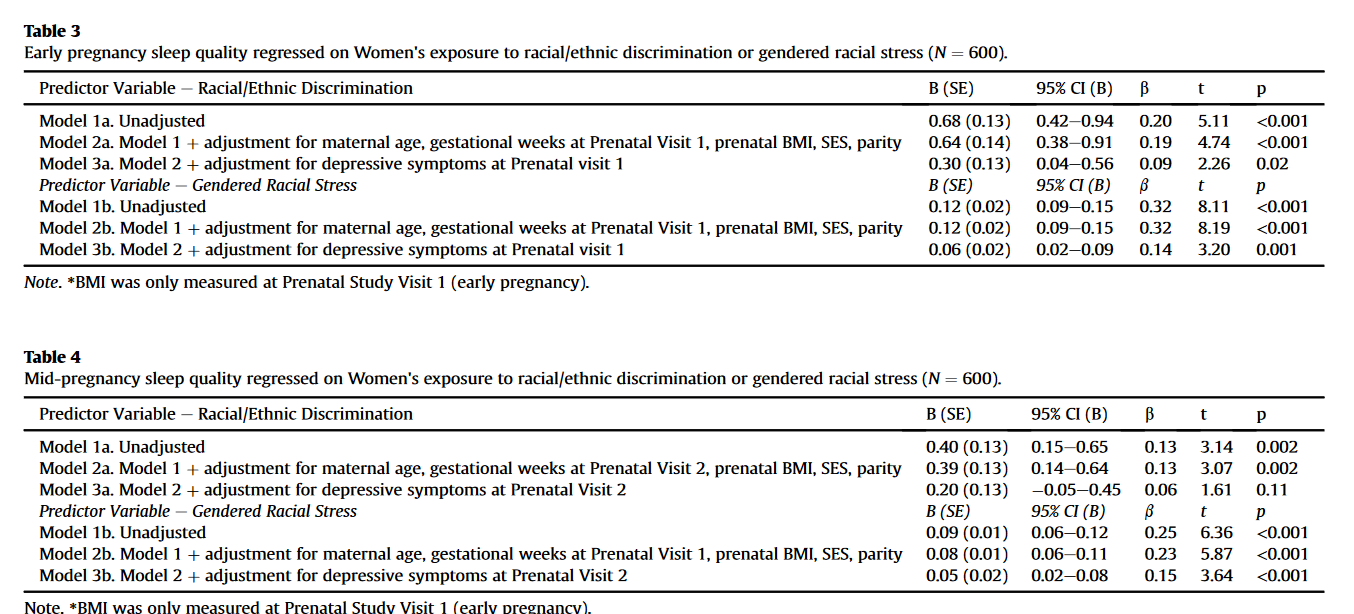
Emory Authors: Poor sleep quality in pregnant Black American women.
“Heightened exposure to racial/ethnic discrimination is associated with poorer sleep health
among non-pregnant adults. This relationship has received limited research attention among pregnant women, despite the importance of prenatal sleep quality for optimal maternal and child health outcomes.”

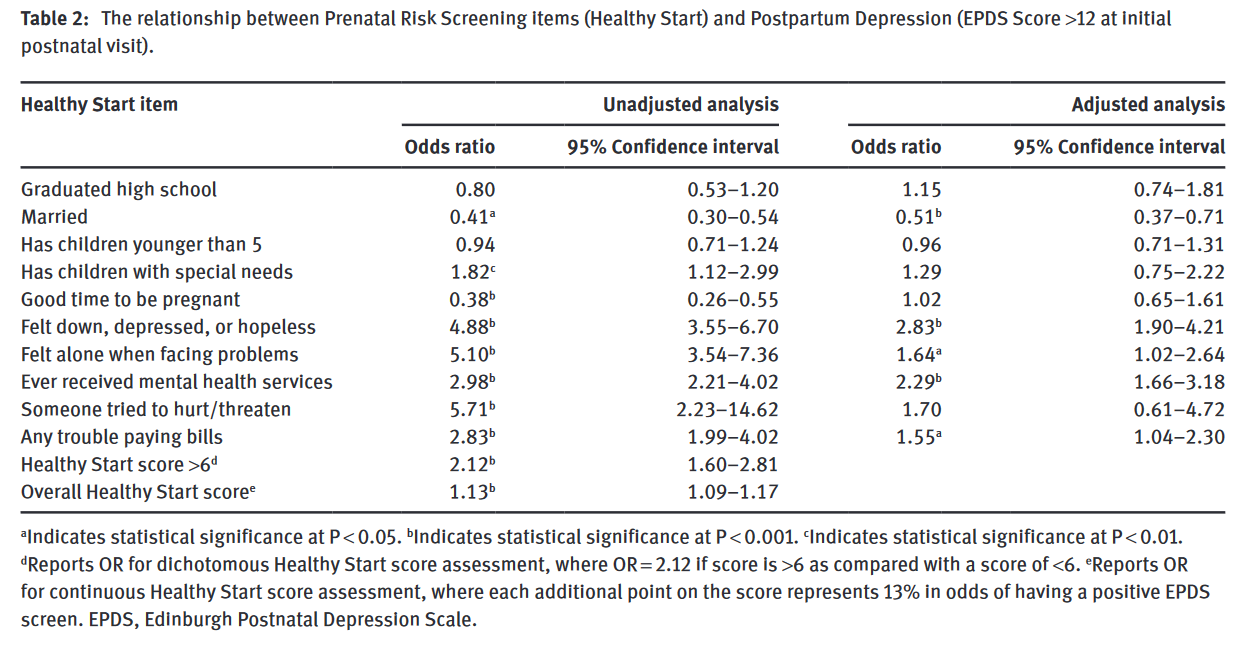
What are the predictors for risk of postpartum depression?
Assessing the utility of the Healthy Start Screen to predict an elevated Edinburgh Postnatal Depression Scale score.(includes abstract) Padilla, Mikela M.; Roussos-Ross, Dikea; Goodin, Amie J. Journal of Perinatal Medicine, Jun2020; 48(5): 483-487. 5p. (Article – research, tables/charts) ISSN: 0300-5577

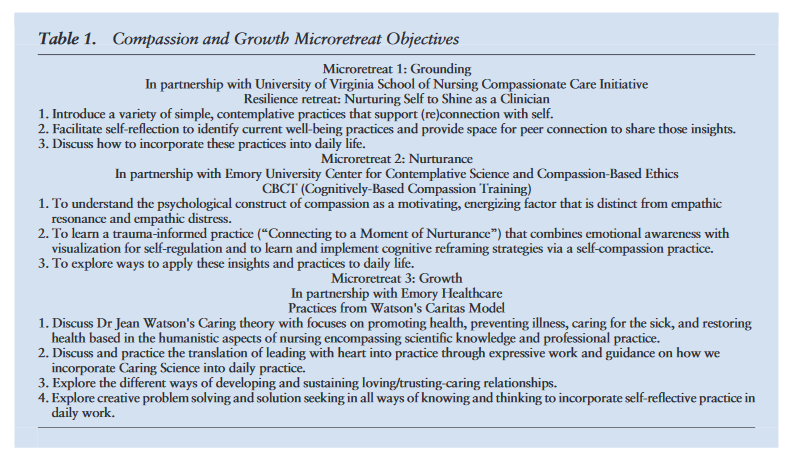
Emory Authors: Changes in Posttraumatic Growth After a Virtual Contemplative Intervention During the COVID-19 Pandemic:
“Contemplative interventions can substantively improve posttraumatic growth. This may be particularly relevant for coping with COVID pandemic stress among nurses on the frontlines and for healthcare leaders seeking to strengthen psychological support within their teams and reform the workplace environment”