JONA Highlights: Improving Patients’ Hospital Experience:

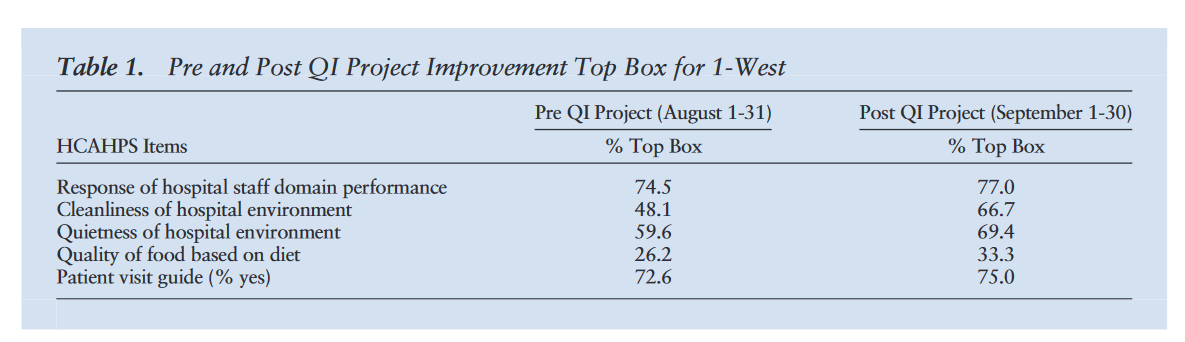
“The creation of the new supportive nonclinical role shows promise in improving patient experiences. The pandemic resulted in lower scores in patient experience across many care settings. This pilot study provides promising information that should be further explored regarding the impact of the Experience Coordinator and the benefit of this role from the
perspective of the nurse.”

Continue reading

Early discharge and patient acuity

Rice, A. N., et al  (2021). Fast-Tracking Patients in an Academic Hospital to Increase Efficiency and Decrease Discharge Delays: A Process Improvement Plan. Journal of PeriAnesthesia Nursing, 36(6), Full Text for Emory Users 615-621. 


Aicher, B. O., et al  (2019). Reduced length of stay and 30-day readmission rate on an inpatient vascular surgery service. Journal of Vascular Nursing, 37(2), 78-85 Free Full Text .

Venkatesan, C., et al (2016). Outcomes trends for acute myocardial infarction, congestive heart failure, and pneumonia, 2005-2009. Am J Manag Care, 22(1), e9-17. Doyle, D. (2018) Free Full Text.


Chronic care management: Transitional care models for readmission reduction (Doctoral dissertation, Johns Hopkins University). Al Mashalah, H. A. M. A. (2019) Free Full Text

.

Studying The Impacts of Occupancy Rate on Length of Stay and Outcomes At The Emergency Department At The Regina General Hospital (Doctoral dissertation, Faculty of Graduate Studies and Research, University of Regina) Free Full Text

Nissen, K. M. (2021). Operationalizing the ACS NSQUIP® SRC to Impact Surgical 30-Day Readmissions (Doctoral dissertation, Grand Canyon University). Morgan, T. A., et al . (2021) Free Full Text.

Nursing attitudes towards dying patients.

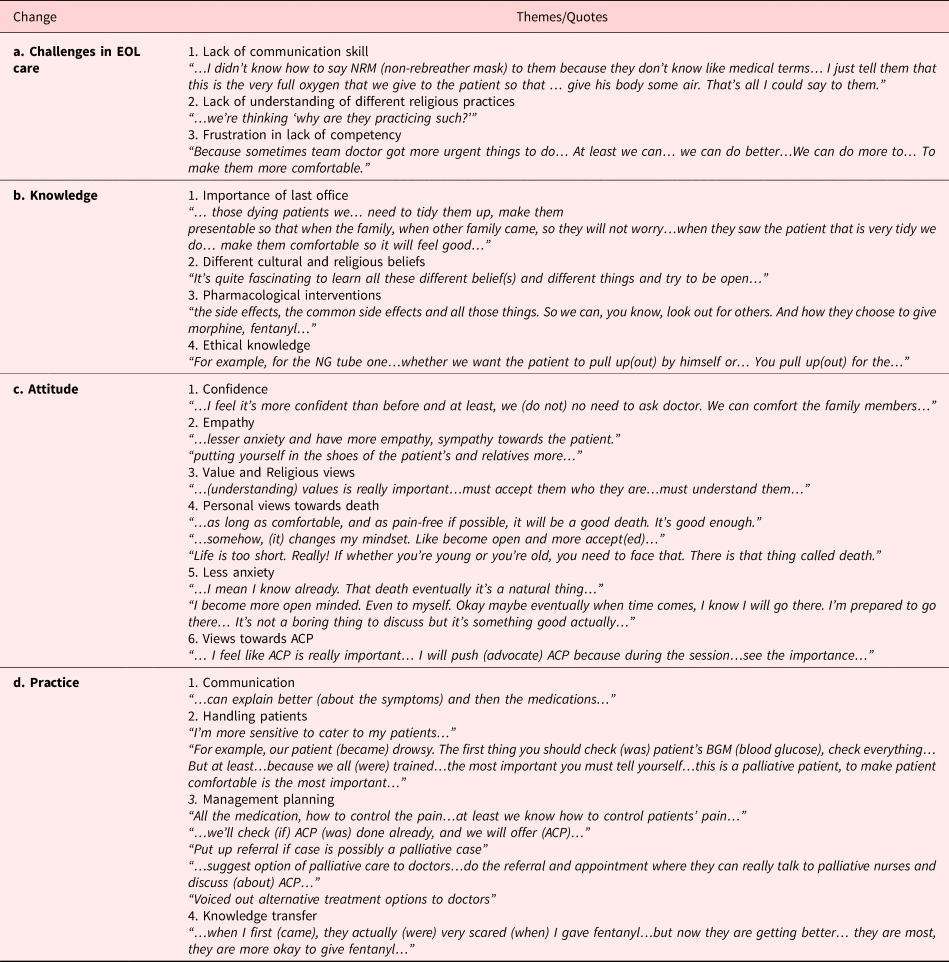
Nurses play an essential role in delivering quality end-of-life (EOL) or palliative care to patients. This requires a skill set and knowledge that is specialized. Nurse-patient relationships built upon trust facilitate the patients adjustment to their illness, ease pain, and can ultimately lead to good death experiences.” (Cheong)

Table 3. Inductive thematic analysis from the in-depth interviews (Cheong)

Continue reading

Phone and personal item confiscation of psychiatric patients

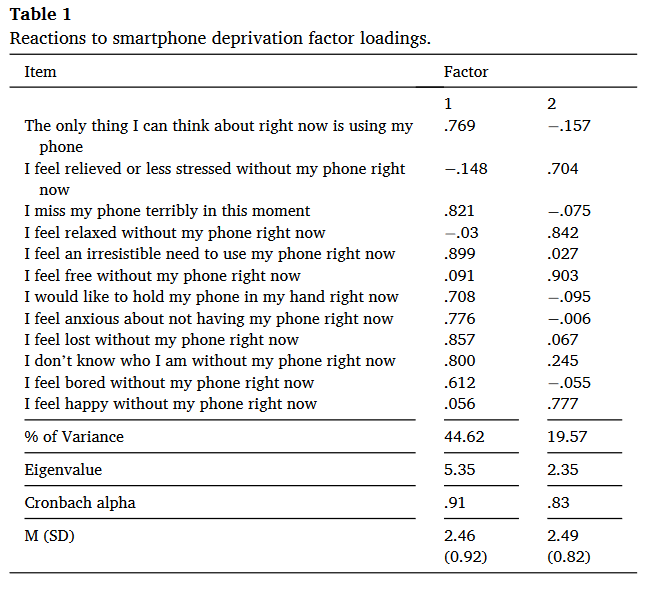
“Because of the diversity of reactions to smartphone deprivation, inpatient psychiatric unit clinicians should be aware of the duality of smartphone use and restriction among adolescents. Fostering youths’ awareness of the advantages and disadvantages of their smartphone use may facilitate behavior change related to problematic phone use after
leaving the hospital.” (Burke)

(Burke)

Burke, T. A., et al . (2022). Reactions to naturalistic smartphone deprivation among psychiatrically hospitalized adolescents. Journal of psychiatric research, 155, 17–23. Full Text for Emory Users

Continue reading

Achieving patient satisfaction with discharge instructions

(Kang)

“Discharge education is important for general surgical patients to participate and
regain control of their life after discharge. Overcoming barriers to discharge education is essential to enhance patient comprehension and recollection of the information. Discharge education delivered using a patient‐centred approach provides opportunity to engage patients,
foster patient understanding and enhance patients’ ability to self‐manage and could in turn improve their post-discharge outcomes.” (Kang)

Continue reading

What is the required or recommended nursing documentation for patients in the pre-operative and post-operative phases?

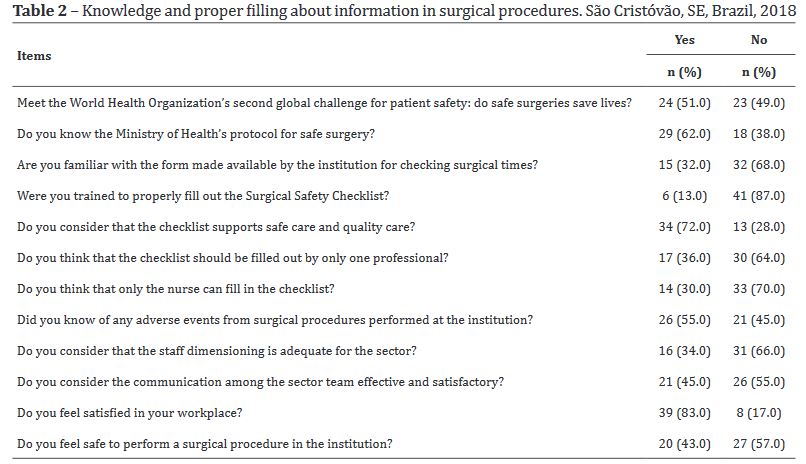
(Santos)

Santos Almeida, A. C., et al  (2021). Inadequate completion of surgical data for patient safety: opinion of health professionals. Rev Rene, 22(1), 1–8. Free Full Text

Grommi, S., et al (2021). Educating Registered Nurses for Pain Knowledge and Documentation Management: A Randomized Controlled Trial. International Journal of Caring Sciences, 14(2), 919–929. Full Text for Emory Users

Lakshmikantha, N., & Lakshman, K. (2021). A Review of Operation Theater Notes in a Tertiary Care Center. Indian Journal of Surgery, 83(4), 956–959. Full Text for Emory Users

Shoqirat, N., et al  (2019). Nursing Documentation of Postoperative Pain Management: A Documentary Analysis. Journal of Nursing Care Quality, 34(3), 279–284. Full Text for Emory Users

Discharge lounges and patient/system outcomes

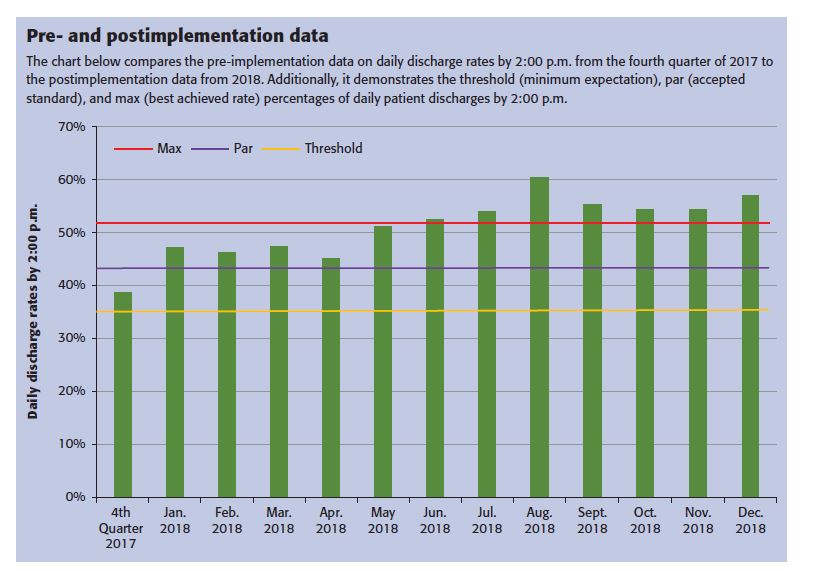
“The development of the discharge lounge has demonstrated significant improvement in five areas:
• Higher patient satisfaction scores
• Increased patient discharges by 2:00 p.m. daily
• Reduced boarding time, or the time patients spend in the ED before being transferred to another unit
• Decreased frequency of 30-day readmissions
• Enhanced identification and correction of potential safety issues”

(Rhodes)

RHODES, J. R., et al (2020). Discharge lounges for optimal outcomes: A quality improvement project. Nursing, 50(12), 65–68.
Full Text for Emory Users

Continue reading