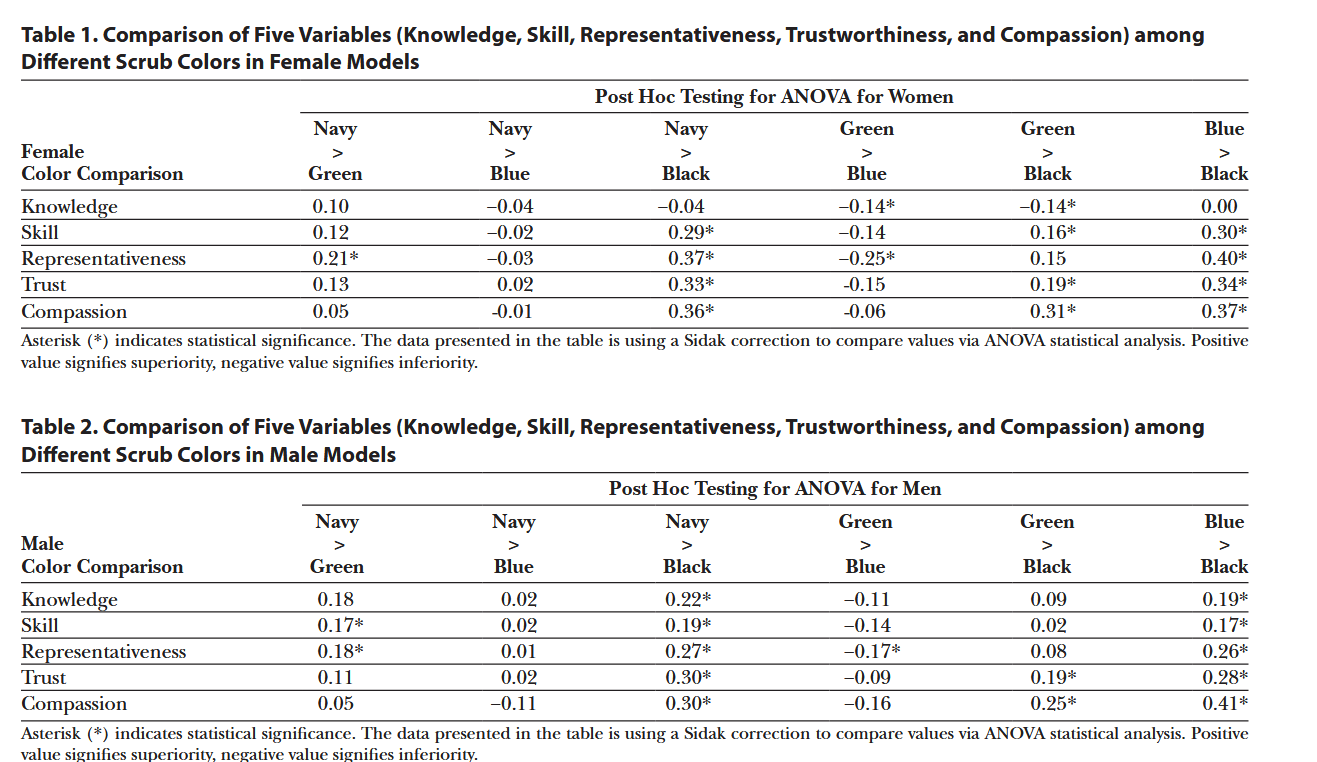
“A 2023 letter published in JAMA Surgery examined patient preferences regarding the color of scrubs physicians wore and found that patients most identified physicians wearing green scrubs as surgeons and those wearing blue scrubs to be the most caring, whereas those wearing black scrubs were associated mostly with negative characteristics (least knowledgeable, skilled, trustworthy, and caring)
“In previous articles, it has been noted that patient refusals are also a barrier to performing daily CHG bathing. Indeed, Caya et al found that compliance with daily CHG bathing averaged 78%, with patient refusal of CHG bathing ranging from 3% to 29% across all units within a 505-bed hospital. According to patient interviews, reasons for refusing a CHG bath included a low perception of susceptibility to infection and low knowledge of the benefits of CHG bathing. There were no concerns related to the CHG product itself. Similarly, Reynolds noted that providing patients education on the importance of bathing while hospitalized may help improve compliance with this practice.”
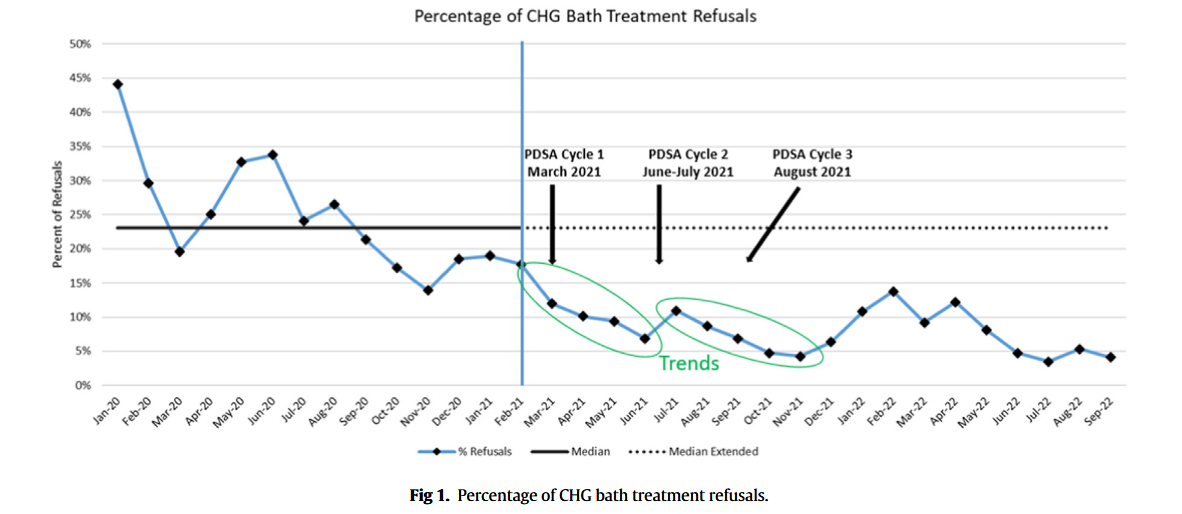
“This project found a reduction in patient refusals of CHG bathing after Plan-Do-Study-Acts (PDSA) cycles were initiated focused on this barrier. Continued efforts are needed to improve overall CHG bathing compliance and reduce CLABSI rates; however, this initiative showed that focused efforts to remove a significant barrier were beneficial. Other health care systems who struggle with patient refusals of CHG bathing may consider implementing similar interventions.”
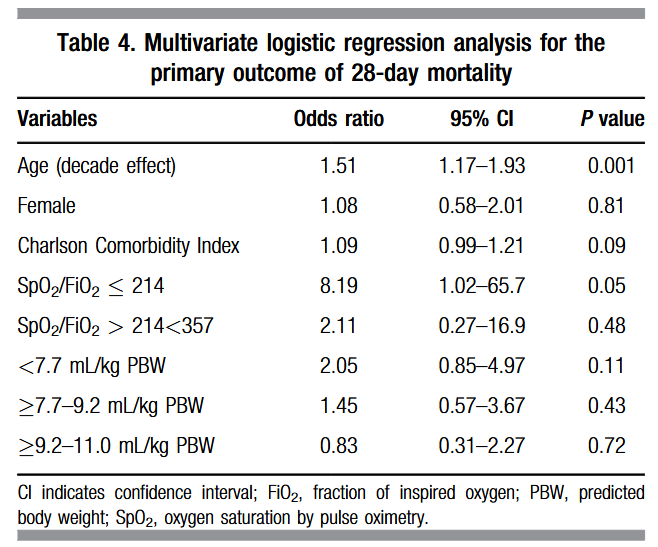
“The use of noninvasive ventilation (NIV) to treat acute respiratory failure is increasing NIV use decreases the rate of endotracheal intubation and mortality in patients with chronic obstructive pulmonary disease (COPD) exacerbations and reduces the rate of endotracheal intubation in patients with cardiogenic pulmonary edema. NIV is commonly used to treat acute respiratory failure on the wards. The benefits of tidal volume (Vte) reduction may be present in critically ill patients without acute respiratory distress syndrome (ARDS).However, an optimal expiratory Vte strategy in NIV for acute respiratory failure has not been well established, except perhaps in patients with acute hypoxemic respiratory failure. Carteaux et al14 explored the feasibility of a low Vte strategy using NIV in acute hypoxemic respiratory failure and found that higher Vte was associated with failure defined as need of intubation.”
“The complete impact of skin disease on patients represents a sum of disease impacts in multiple domains, including symptom, emotional, and functional impacts. These domains define the patient’s illness experience, which can be different from what physicians perceive when they examine the skin. Consistently capturing and quantifying disease impact in individual patients in routine clinical dermatology practice are difficult. Measures of disease activity, when captured in dermatology practice, tend to focus on objective measures such as skin erythema and scale or body surface area involved. Skin symptom burden may not readily be observed by clinicians, resulting in underestimating skin disease burdens.”
“Premature infants have an underdeveloped epidermal barrier with few cornified layers increasing their risk for greater permeability by noxious agents, high water loss, delayed skin maturation, skin damage, and infection. Their skin is easily torn due to deficiency of dermal structural proteins. Stratum corneum (SC) maturation is rapid upon exposure to a dry environment. At 23 weeks, it is nearly absent, with transepidermal water loss (TEWL) of 75 g/m 2 /h. By week 26, a few cornified layers have formed (TEWL of ~45 g/m 2/h), corresponding essentially to a wounded skin surface. One month later, premature SC was not fully competent, as indicated by significantly higher TEWL (17 g/m 2 /h) than normal, full-term infants. Complete skin maturation may take as long as 9 weeks and longer for complete acid mantle formation.”
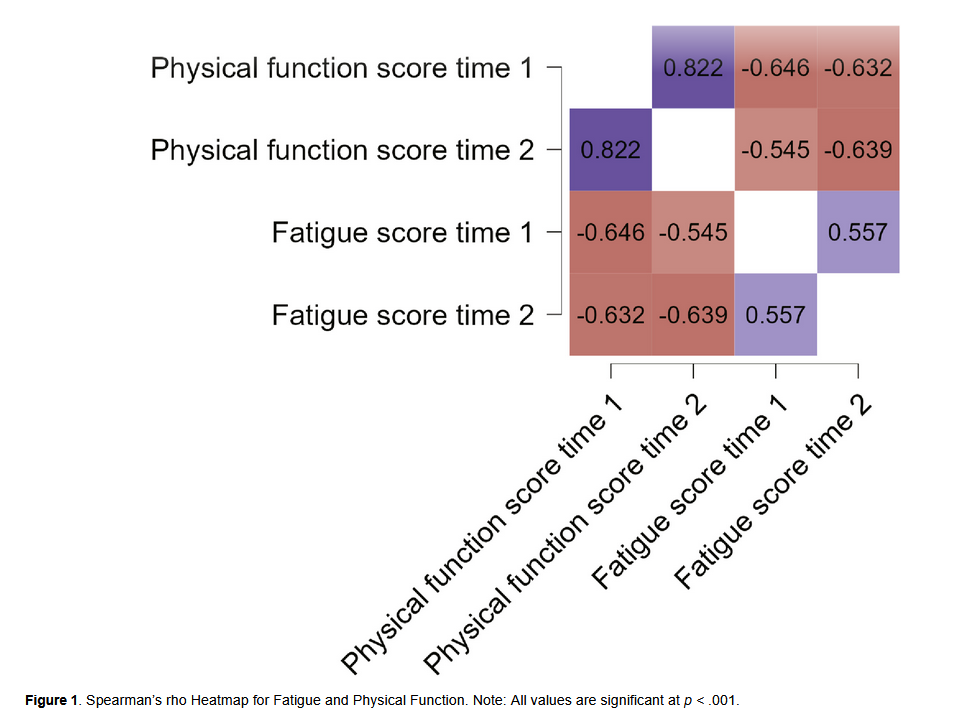
“Fatigue is the most commonly reported symptom in children and adolescents during and after treatment for cancer. Fatigue is associated with decreased quality of life and may contribute to decreased physical function and impede normal childhood development. Currently, the only validated way to measure fatigue is through collection of self-reported data which may not be feasible for all children, specifically younger or sicker children, or those with lower reading levels. Proxy (i.e., parent) reports are often used as substitute measures but may not replace a child’s own report. In the precision medicine era, identifying biomarkers for fatigue would be beneficial in screening for and applying interventions to address this common symptom. A metabolomic approach to unraveling symptom experiences is promising as it allows for investigation of multiple metabolites and pathways at once and can provide insight into the physiological status of an individual at any one point in time.”
“Nursing education research demonstrates that lesbian, gay, bisexual, transgender and queer (LGBTQ+) health receives scant attention in nursing curricula. The American Nurses Association (ANA) advocates for “Nurse educators that will help fill the void in knowledge by incorporating the issues of the LGBTQ+ populations as part of the curricula”. Calls to action from scholars and professional nursing organizations demonstrate that while nurse educators are responsible for including LGBTQ+ related content in nursing curricula, these topics are not adequately suffused into nursing training.”



 Evidence Matters