JONA Highlights: The Effect of Work Stressors on RN Exhaustion

“The conservation of resources theory suggests that individuals experience stress when they are threatened by resource depletion, lost resources, or failure to get resources after a significant effort. When workers continuously face such conditions, they are more likely to experience psychological burnout.”
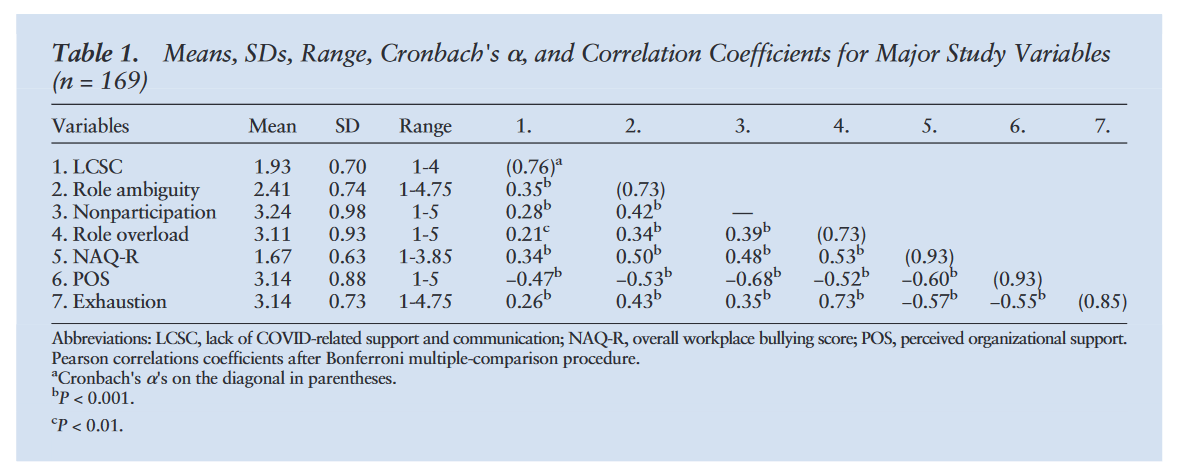
“Stressful and poorly organized work environments may give rise to conditions resulting in bullying. Workplace bullying is the persistent exposure to negative acts, which may be psychological,verbal, or physical. Several work stressors (eg, workload, role ambiguity, decision authority, interpersonal conflicts, tyrannical and laissez-faire leadership behaviors) were associated with bullying.”

Filipova, Anna. (2023). The Effect of Work Stressors on RN Exhaustion: The Role of Perceived Organizational Support. The Journal of Nursing Administration, 53, 146-153.

What strategies can hospital administrations take to alleviate and prevent psychological issues encountered by clinicians on the Covid-19 frontlines?

Clinicians caring for Covid-19 patients have shown multiple signs of stress including anxiety, depression and sleep disturbance.1 Predictors of these adverse effects include young age, low work experience, female gender, heavy workload, working in unsafe settings, and lack of training and social support.2

Issues in COVID-19 care that may provoke these problems include “limited information about COVID-19, unpredictable tasks and challenging practices, insufficient support, concerns about family, and emotional and psychological stress”3, as well as “working in an isolated environment, concerns about personal protective equipment shortage and usage, physical and emotional exhaustion, intensive workload, fear of being infected, and insufficient work experiences with COVID-19.”4

Continue reading