Emory Authors: Metabolomic Associations With Fatigue and Physical Function in Children With Cancer: A Pilot Study

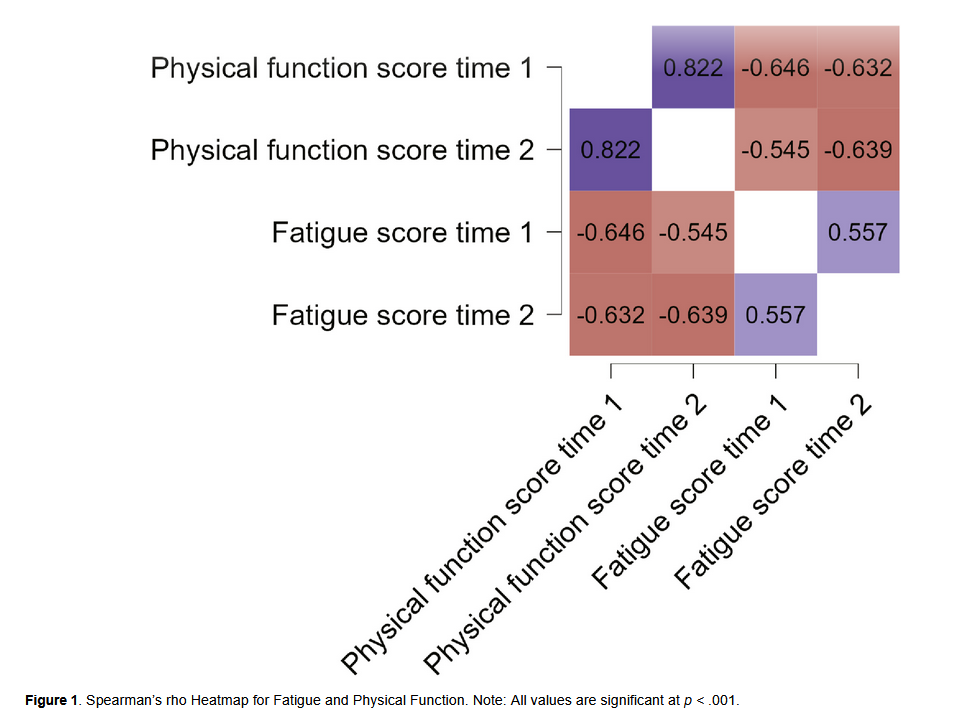
“Fatigue is the most commonly reported symptom in children and adolescents during and after treatment for cancer. Fatigue is associated with decreased quality of life and may contribute to decreased physical function and impede normal childhood development. Currently, the only validated way to measure fatigue is through collection of self-reported data which may not be feasible for all children, specifically younger or sicker children, or those with lower reading levels. Proxy (i.e., parent) reports are often used as substitute measures but may not replace a child’s own report. In the precision medicine era, identifying biomarkers for fatigue would be beneficial in screening for and applying interventions to address this common symptom. A metabolomic approach to unraveling symptom experiences is promising as it allows for investigation of multiple metabolites and pathways at once and can provide insight into the physiological status of an individual at any one point in time.”
Continue reading

What are modifiable risk factors for cancer?

“An estimated one third to one half of cancers could be prevented by healthy lifestyle choices: eliminating tobacco use, maintaining a healthy body mass index (BMI), moderating alcohol consumption, and maintaining an active lifestyle.”
Arem, Hannah, & Loftfield, Erikka. (2018). Cancer Epidemiology: A Survey of Modifiable Risk Factors for Prevention and Survivorship. American Journal of Lifestyle Medicine., 12(3), 200-210.

Continue reading

What are the barriers and facilitators to the sustainability of cancer interventions?

These overarching themes were identified, which when present, were facilitators, and if absent, were barriers:

  1. Evidence (intervention credibility, experienced efficacy, perceived need for intervention)
  2. Context (positive attitude to and capacity for survivorship/FCR care, favourable therapist orientation and flexibility, strong referral pathways)
  3. Facilitation of implementation (intervention/service fit, intervention/patient fit, and training,support, and provided resources). Continue reading