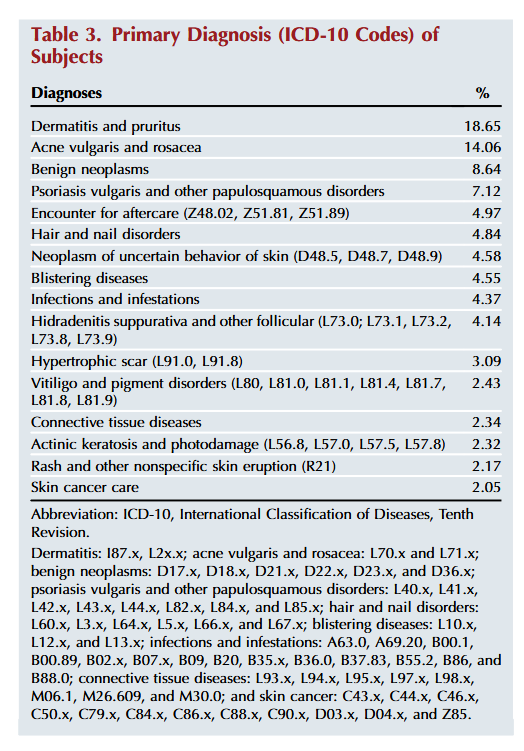
Emory Authors: Capture of Patient Itch Scores in Practice Reveals Disparate Itch Impact on the Basis of Age, Gender, and Race: A Cross-Sectional Survey Analysis

“The complete impact of skin disease on patients represents a sum of disease impacts in multiple domains, including symptom, emotional, and functional impacts. These domains
define the patient’s illness experience, which can be different from what physicians perceive when they examine the skin. Consistently capturing and quantifying disease impact in individual patients in routine clinical dermatology practice are difficult. Measures of disease activity, when captured in dermatology practice, tend to focus on objective measures such as skin erythema and scale or body surface area involved. Skin symptom burden may not readily be observed by clinicians, resulting in underestimating skin disease burdens.”
Continue reading

New Nursing Continuing Education Page

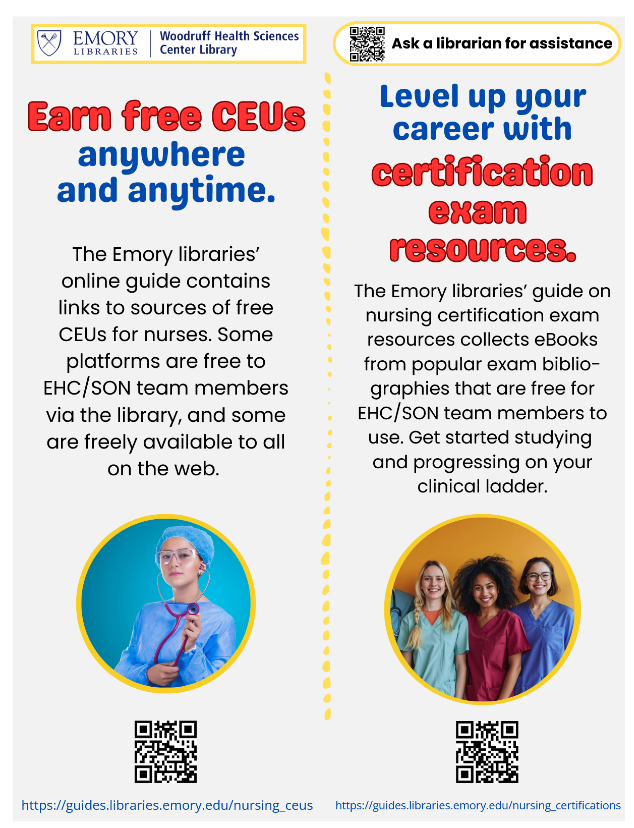
The WHSC Library is committed to providing Emory students, faculty, and healthcare professionals with the resources necessary to prepare for specialty certification exams, license renewal and achieve advancements in your career.

To help support your continuing education and professional development, a new online Nursing Continuing Education guide from the WHSC Library links nurses from Emory Healthcare and the School of Nursing to sources of both free and library-subscribed nursing CEUs to help with license renewal.

This guide, along with the Nursing Certification Resources page, support our Emory healthcare communities and their dedication to patient care and safety.

Skin care of the premature neonate

“Premature infants have an underdeveloped epidermal barrier with few cornified layers increasing their risk for greater permeability by noxious agents, high water loss, delayed skin maturation, skin damage, and infection. Their skin is easily torn due to deficiency of dermal structural proteins. Stratum corneum (SC) maturation is rapid upon exposure to a dry environment. At 23 weeks, it is nearly absent, with transepidermal water loss (TEWL) of
75 g/m 2 /h. By week 26, a few cornified layers have formed (TEWL of ~45 g/m 2/h), corresponding essentially to a wounded skin surface. One month later, premature SC was not fully competent, as indicated by significantly higher TEWL (17 g/m 2 /h) than normal, full-term infants. Complete skin maturation may take as long as 9 weeks and longer for complete acid mantle formation.”

Visscher, M. O., Carr, A. N., & Narendran, V. (2021). Premature infant skin barrier maturation: status at full-term corrected age. Journal of Perinatology, 41(2), 232–239.

Continue reading

Nurse Certification Resources: Emory University’s Woodruff Health Sciences Library

*See Notification below*

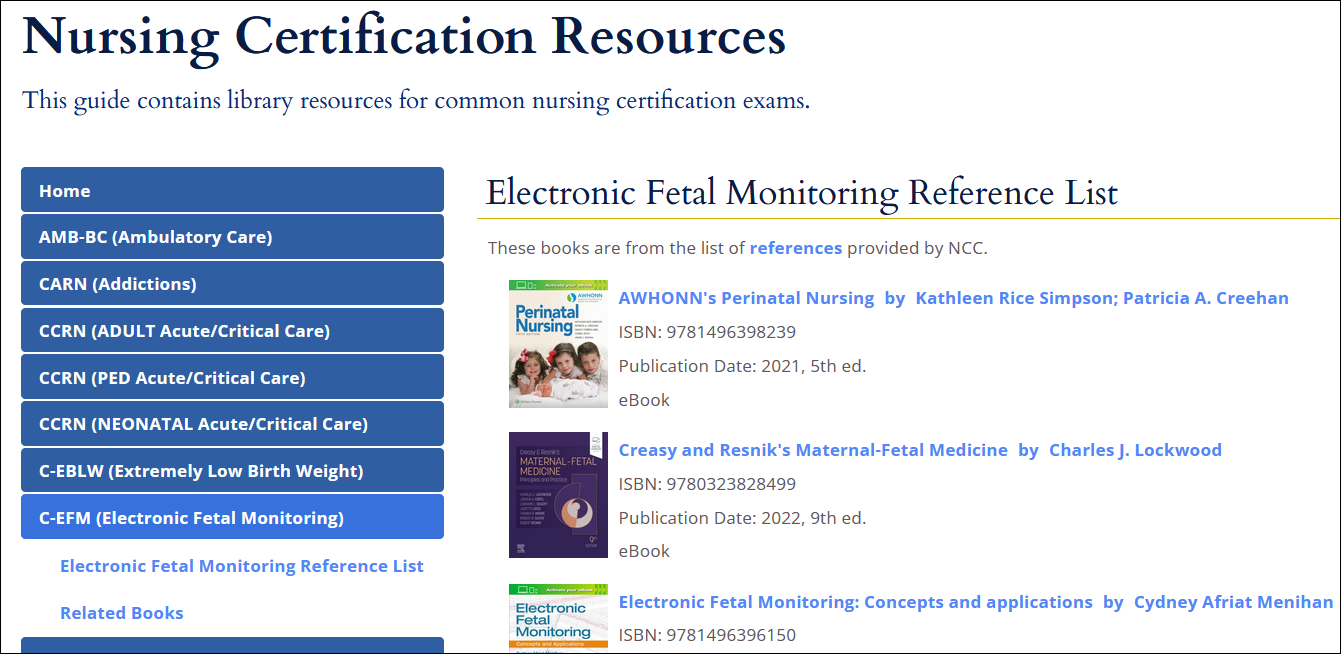
The WHSC Library supports our nursing populations in attaining advanced nursing specialty certifications. Specialty certifications recognize nurses’ skills and knowledge, improve quality of care and health outcomes, and support Magnet status.

Our new online guide helps nurses advance their careers by providing access to reference books that are used for common nurse certification exams. At this guide you’ll find an extensive list of certifications and lists of reference books that are available through Emory Libraries. We hope that you’ll find this to be a helpful resource during your studies!

*Not all materials will be accessible with EHC credentials*

Please visit the WHSCL or one of the Clinical Branch Libraries for access.

Emory University Hospital 
Room H-140, EUH
Phone:  404-727-5192 

Emory University Hospital Midtown 
1st Floor, Room 1312, Davis-Fischer Building
Phone:  404-686-1978

Emory John’s Creek Hospital 
Education Room, Ground Floor
Phone: 404-686-1978

Emory Saint Joseph’s 
Ground Floor Classrooms

RN Buddy system for in-hospital scheduled breaks.

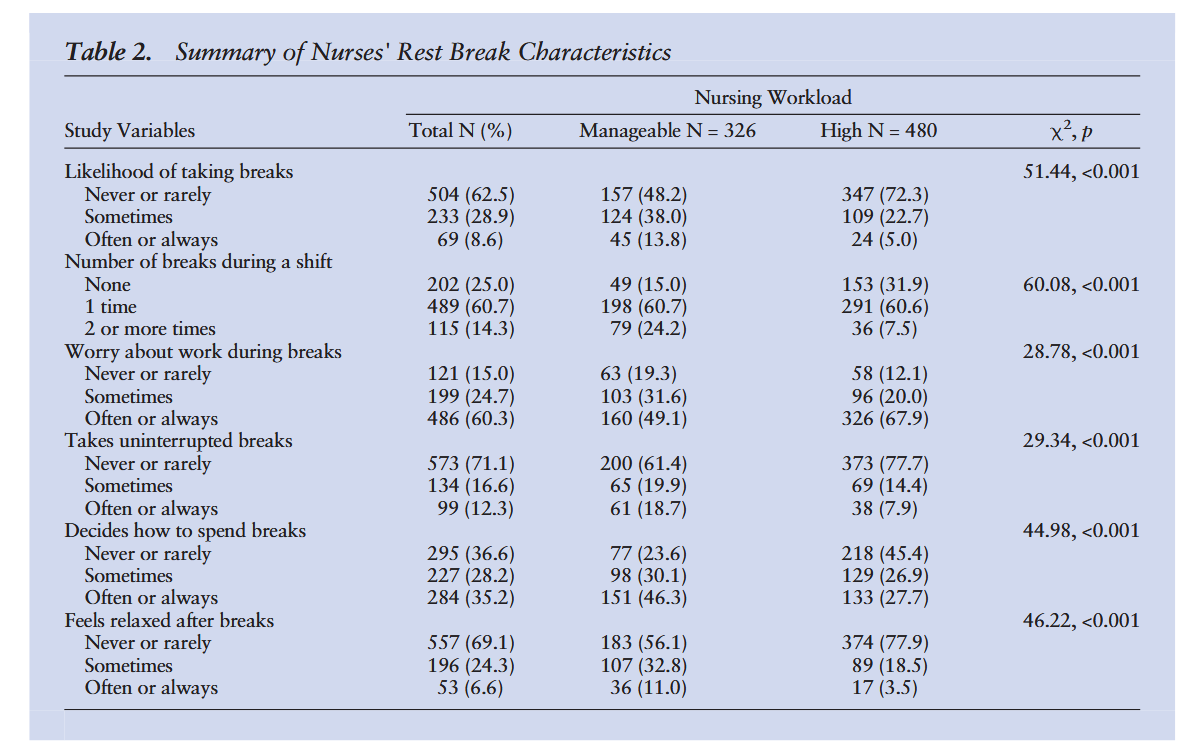
“Within the worked shift, rest breaks are short periods for employees to disengage from work activities and recuperate, at least partially, from the accumulated job strains and fatigue. The duration of breaks may range from a couple of minutes to 1 hour. In the
United States, rest break duration under federal regulations is classified into compensated rest periods (ie, 5-20 minutes) and unpaid meal periods (ie, 30 minutes or more).1 Typically, in the hospital environment, nurses at the bedside are allowed and expected to take 1 uninterrupted 30-minute meal break and offered an around 10- to 15-minute coffee break during a 12-hour shift. Many spend the time to eat, drink, rest, or nap, as well as socialize or listen to music.
Several studies found that taking rest breaks can benefit nurses, patients, and the organization. Nurses who took rest breaks had significantly better acute fatigue recovery and overall well-being, increased job satisfaction, and fewer patient-related adverse events
and intentions to leave the workplace.”

Sagherian, K., Cho, H., & Steege, L. M. (2023). The State of Rest Break Practices Among 12-Hour Shift Hospital Nurses in the United States. The Journal of nursing administration, 53(5), 277–283.

Continue reading

Emory Authors: Re-viewing the concept of saturation in qualitative research

“The term saturation is used ubiquitously in reports of qualitative research. The term is often used, however, as a throw-away line, sans definition, rationale, or explanation of the process. Consequently, there remains a question about what is meant when saturation is used.The concept of saturation originated in grounded theory. Achieving theoretical saturation is one of the tenets of grounded theory. Over time, this specific and singular term has migrated to a general term that reflects various types of saturation such as code, data, theme, and meaning saturation. There is a lack of clarity among saturation types and a lack of transparency in reporting what is meant by saturation and how it was achieved. There is also a question about the relevance of saturation to qualitative methodologies outside grounded theory.”

Continue reading

JONA Highlights: Social Capital in the Workplace for New Graduate Nurses: Maximizing Recruitment and Retention

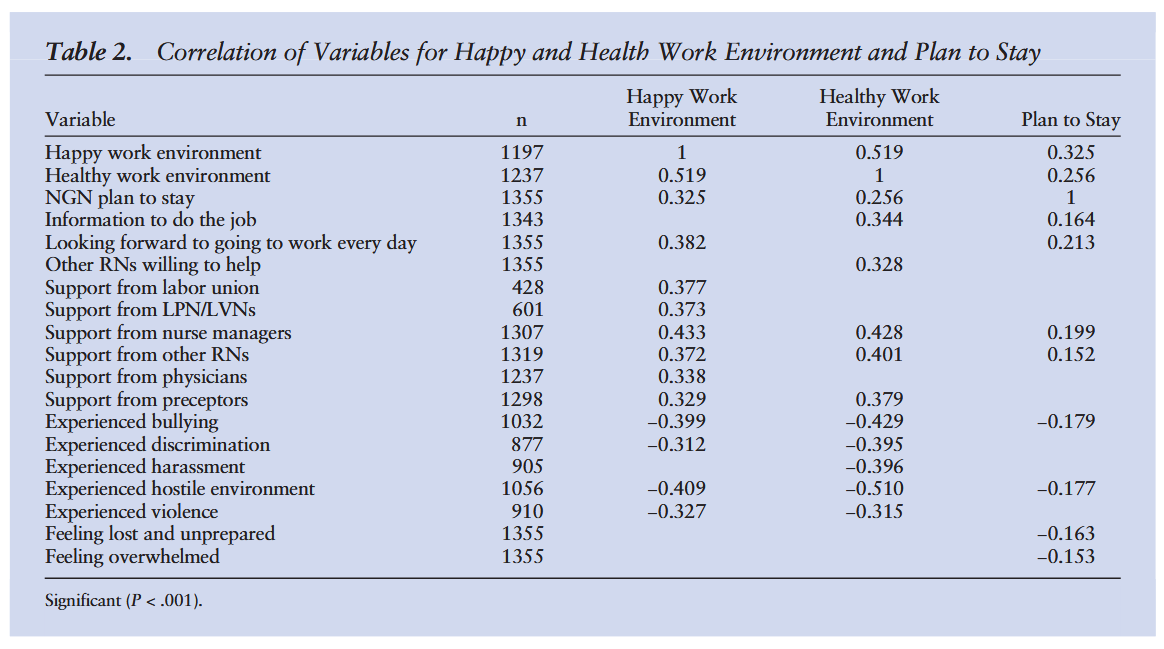
“The concept of social capital asserts that social relationships, memberships, connections, and interactions among people create valuable networks that serve as resources to their members. Social relationships in the workplace build human capital, which is an individual’s
knowledge, skills, and experiences. Benefits are both gained and transferred by social ties and social participation that build trust and foster engagement. In examining the employment experiences of NGNs, it is important to consider the significance of social capital. This entails identifying the various sources of social capital within the workplace that can help cultivate positive work environments.”

Continue reading