Achieving patient satisfaction with discharge instructions

(Kang)

“Discharge education is important for general surgical patients to participate and
regain control of their life after discharge. Overcoming barriers to discharge education is essential to enhance patient comprehension and recollection of the information. Discharge education delivered using a patient‐centred approach provides opportunity to engage patients,
foster patient understanding and enhance patients’ ability to self‐manage and could in turn improve their post-discharge outcomes.” (Kang)
Continue reading

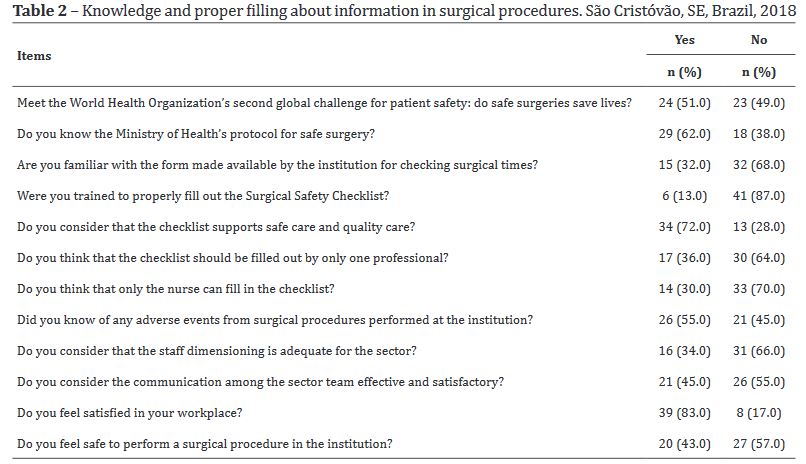
What is the required or recommended nursing documentation for patients in the pre-operative and post-operative phases?

(Santos)

Santos Almeida, A. C., et al  (2021). Inadequate completion of surgical data for patient safety: opinion of health professionals. Rev Rene, 22(1), 1–8. Free Full Text

Grommi, S., et al (2021). Educating Registered Nurses for Pain Knowledge and Documentation Management: A Randomized Controlled Trial. International Journal of Caring Sciences, 14(2), 919–929. Full Text for Emory Users

Lakshmikantha, N., & Lakshman, K. (2021). A Review of Operation Theater Notes in a Tertiary Care Center. Indian Journal of Surgery, 83(4), 956–959. Full Text for Emory Users

Shoqirat, N., et al  (2019). Nursing Documentation of Postoperative Pain Management: A Documentary Analysis. Journal of Nursing Care Quality, 34(3), 279–284. Full Text for Emory Users

Discharge lounges and patient/system outcomes

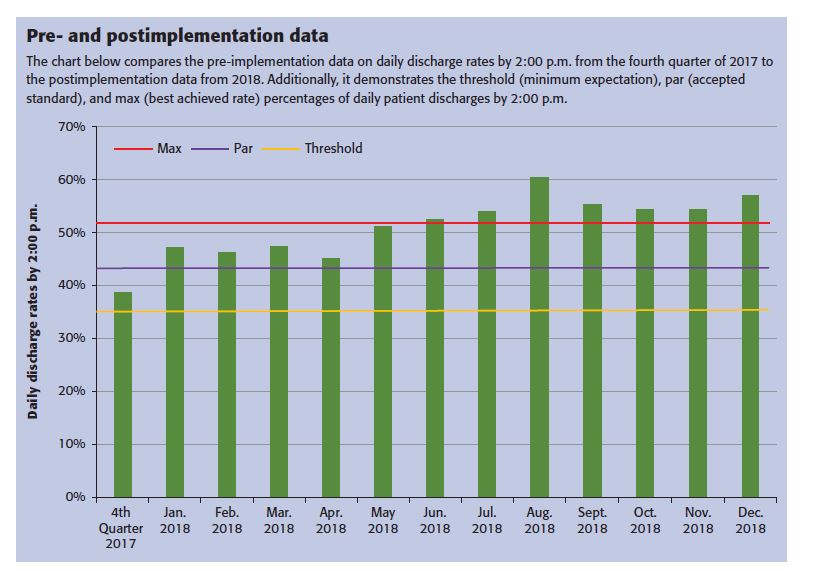
“The development of the discharge lounge has demonstrated significant improvement in five areas:
• Higher patient satisfaction scores
• Increased patient discharges by 2:00 p.m. daily
• Reduced boarding time, or the time patients spend in the ED before being transferred to another unit
• Decreased frequency of 30-day readmissions
• Enhanced identification and correction of potential safety issues”

(Rhodes)

RHODES, J. R., et al (2020). Discharge lounges for optimal outcomes: A quality improvement project. Nursing, 50(12), 65–68.
Full Text for Emory Users

Continue reading

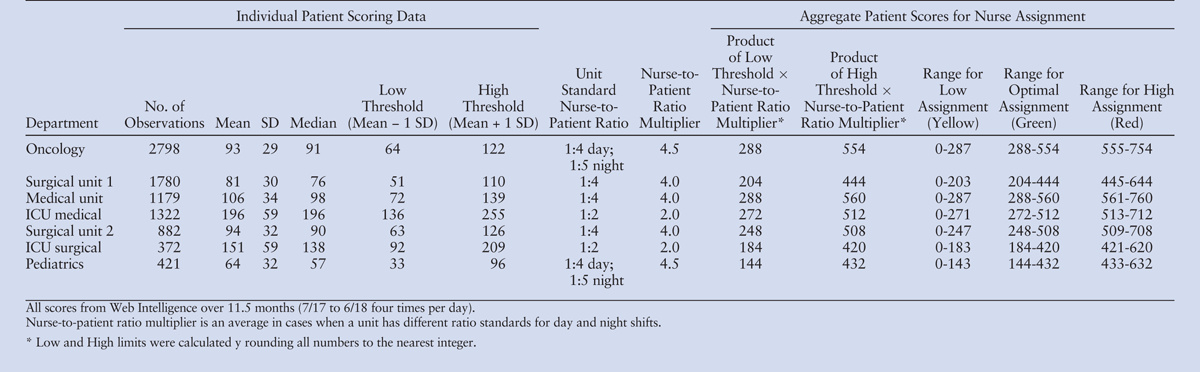
Acuity tools for balanced nurse-patient assignments

“The use of objective, electronically generated nursing workload scores, combined with traditional nurse-to-patient ratios, provides accurate real-time nurse staffing needs that can inform best practice in staffing.”

Meyer, K. R., et al (2020). Development of a Nursing Assignment Tool Using Workload Acuity Scores. The Journal of nursing administration, 50(6), 322–327.

(Meyer)
Continue reading

Nurse education satisfaction scales

“Engagement with a course may improve academic performance, however, appropriate instruments are needed to measure engagement. Using an exploratory factor analysis approach, the 23-item Student Course Engagement Questionnaire (SCEQ) was used to quantify undergraduate nursing (n = 102), mid-wifery (n = 64), and paramedicine (n = 40) student engagement.” (Brown, et al)

(Brown, et al)

Brown, S., Bowmar, A., White, S., & Power, N. (2017). Evaluation of an instrument to measure undergraduate nursing student engagement in an introductory Human anatomy and physiology course. Collegian, 24(5), 491-497.
Full Text for Emory Users

Continue reading

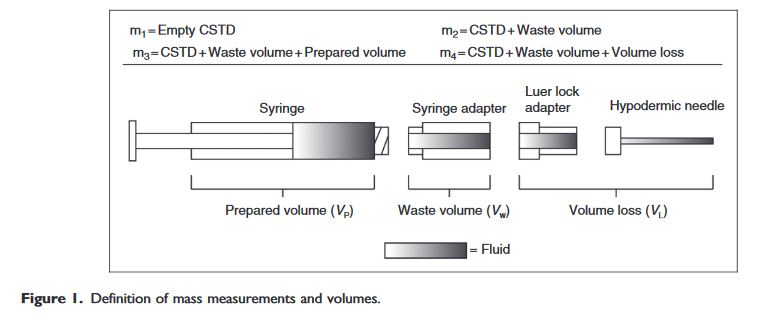
Guidelines for closed system transfer devices (CTSD)

Kuju, et al

“While CSTDs are an important tool to reduce exposure to hazardous drugs, CSTD performance and design should be considered within the context of the varying tasks, users, and environments where they are used.”

Kulju, S., et al. (2020). Assessment of unintended volume loss of six closed system transfer devices. Journal of Oncology Pharmacy Practice, 26(5)
Full Text for Emory Users

Continue reading