Fon, K., et al (2021). An Interprofessional Length of Stay Reduction: A Process Improvement Project. Nursing Economic$, 39(1), 5–22. Full Text for Emory Users
Continue readingInterprofessional handoff and bedside shift report
Reply

Fon, K., et al (2021). An Interprofessional Length of Stay Reduction: A Process Improvement Project. Nursing Economic$, 39(1), 5–22. Full Text for Emory Users
Continue reading“Starting with an idea from an oncology clinic nurse, TAB events were provided consistently by four ambulatory clinic RNs. Participation has been positive, based on responses from a simple, voluntary, nonvalidated survey evaluation of activity enjoyment, room comfort, and lifted mood.” (Rettig)
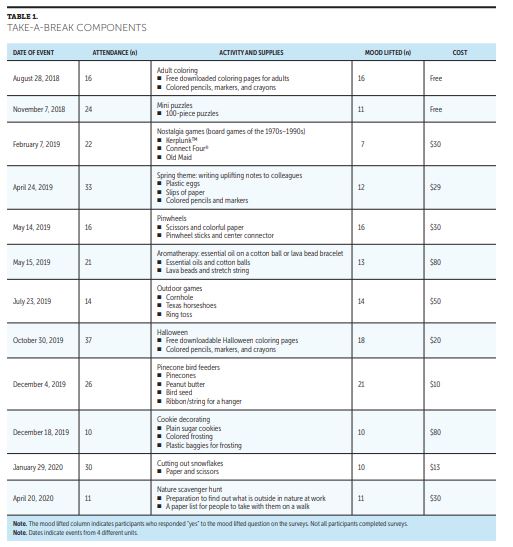
Rettig, A. E., et al (2021). Take-a-Break Intervention: Improving Oncology Nurse Wellness. Clinical journal of oncology nursing, 25(2), 210–214. Full Text for Emory Users
Continue reading
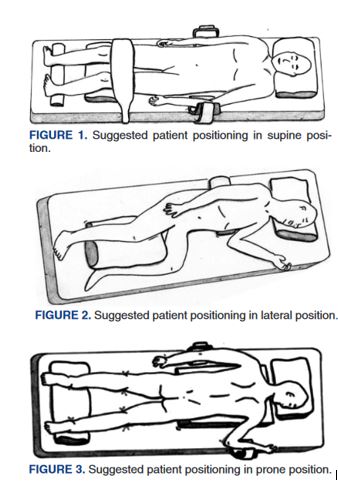
“Patient positioning during gastrointestinal endoscopic procedures has received minimal attention compared with surgical procedures performed in the surgical setting. However, prolonged endoscopic interventions on patients and the increasing requirement for general anesthesia have changed to need for patient positioning guidelines. It is crucial to establish positioning guidelines for endoscopic procedures in supine, prone, and lateral positions.
These new patient positioning guidelines during gastrointestinal endoscopic procedures should become part of national endoscopy practice standards and the education curriculum of endoscopy nurses.” (Meeusen)
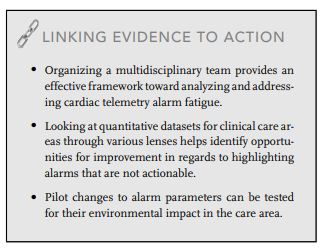
“Health care workers are exposed to an excessive number of alarms that overload their senses, which leads to alarm desensitization. It is estimated that between 80% and 99% of alarms in the clinical areas are false As health care workers become increasingly desensitized to alarms, alarm response rates decrease or diminish all together. Poor alarm response rates result in important alarms being overlooked or ignored because the important alarms are
drowned out by superfluous alarms.” (Srinivasa)
“Unintentional medication discrepancies due to inadequate medication reconciliation pose a threat to patient safety. Skilled nursing facilities are an important care setting where patients are vulnerable to unintentional medication discrepancies due to increased medical complexity and care transitions. This study describes a quality improvement approach to improve medication reconciliation in a skilled nursing facility setting as part of the Multi-Center Medication Reconciliation Quality Improvement Study 2.” (Baughman)
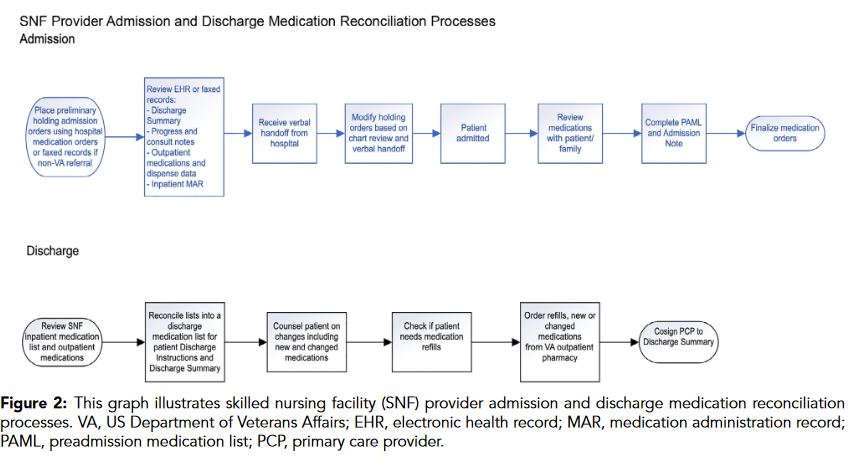
Baughman, A. W., et al . (2021). Improving Medication Reconciliation with Comprehensive Evaluation at a Veterans Affairs Skilled Nursing Facility. Joint Commission journal on quality and patient safety, 47(10), 646–653. Free Full Text
Continue reading“The utilization of information and technology in the practice of nursing care is a large undertaking. The Health information system is utilized through the combination of devices and procedures used to manage the information cycle. One of health information system’s development is a nursing care management system. The benefit of the development can increase the nurse’s ability in organizing nursing care.. It can also increase complete data reports and communication systems as well as clear delegation.These efforts are necessary in developing a nursing informatics system technology.” (Saputra)
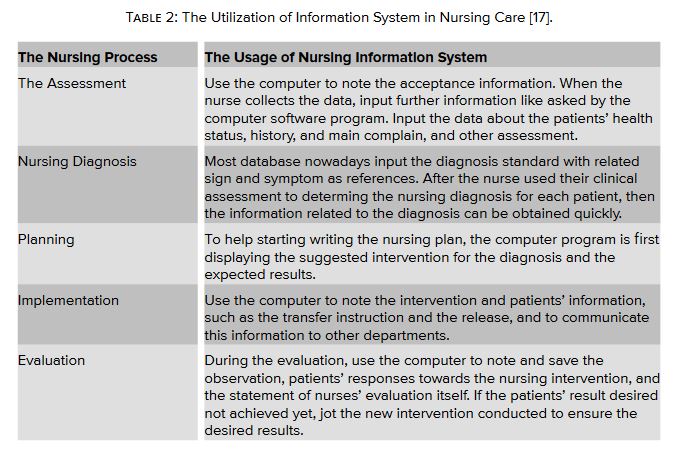
Saputra, C.et al . (2019). Nursing informatics system in health care delivery. KnE Life Sciences, 38-46. Full Text for Emory Users
Continue reading Evidence Matters