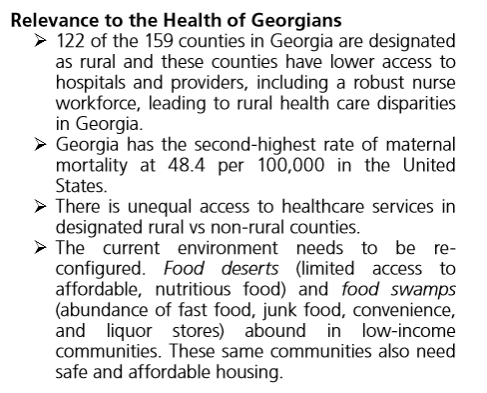
Emory Authors: Advancing Health Equity in Georgia

“America spends more money on health care than any other industrialized country, yet we rank among the highest in terms of poverty rates and income inequity Georgia has some of the poorest health outcomes in the United States and relative to other developed countries (National Academy of Medicine[NAM], 2021) Overall, the United States has the highest health care spending among developed countries with GDP reported to be at 18% in 2020;yet, the United States has some of the poorest health outcomes of industrialized countries”
Continue reading

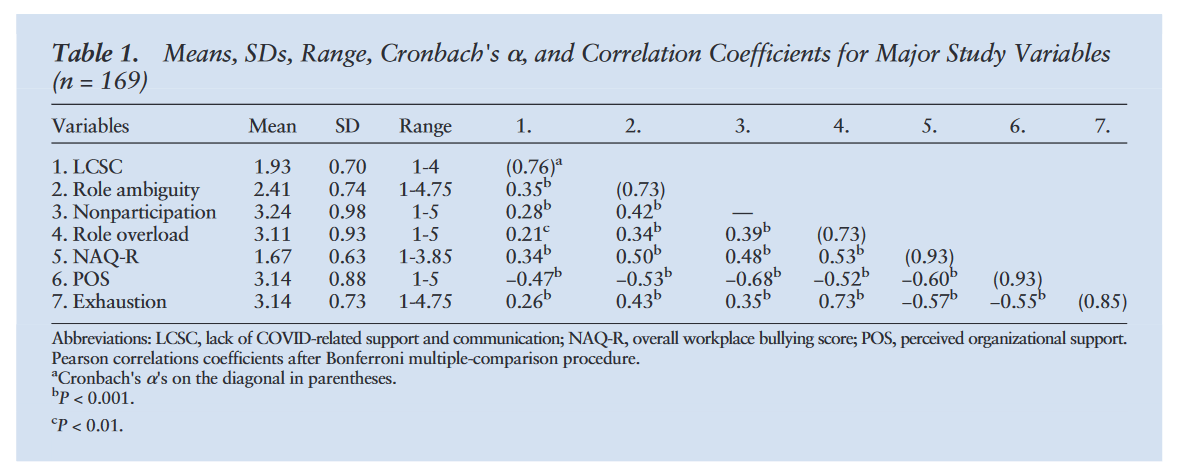
JONA Highlights: The Effect of Work Stressors on RN Exhaustion

“The conservation of resources theory suggests that individuals experience stress when they are threatened by resource depletion, lost resources, or failure to get resources after a significant effort. When workers continuously face such conditions, they are more likely to experience psychological burnout.”

“Stressful and poorly organized work environments may give rise to conditions resulting in bullying. Workplace bullying is the persistent exposure to negative acts, which may be psychological,verbal, or physical. Several work stressors (eg, workload, role ambiguity, decision authority, interpersonal conflicts, tyrannical and laissez-faire leadership behaviors) were associated with bullying.”

Filipova, Anna. (2023). The Effect of Work Stressors on RN Exhaustion: The Role of Perceived Organizational Support. The Journal of Nursing Administration, 53, 146-153.

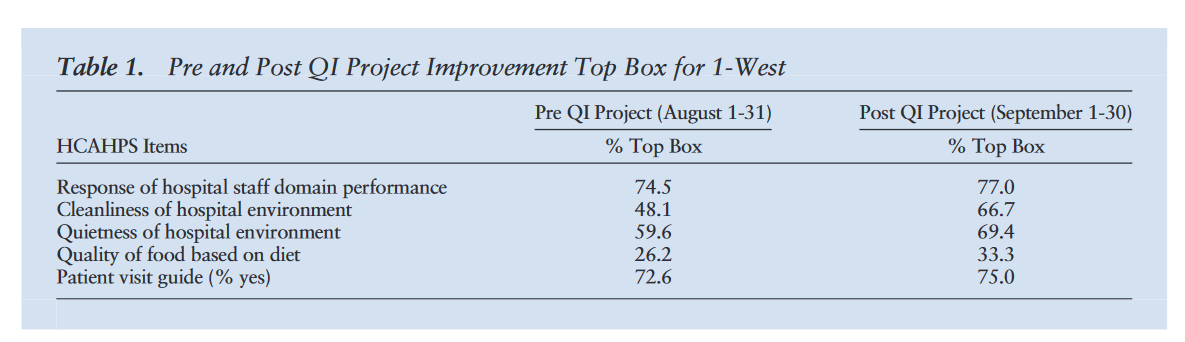
JONA Highlights: Improving Patients’ Hospital Experience:

“The creation of the new supportive nonclinical role shows promise in improving patient experiences. The pandemic resulted in lower scores in patient experience across many care settings. This pilot study provides promising information that should be further explored regarding the impact of the Experience Coordinator and the benefit of this role from the
perspective of the nurse.”

Continue reading

JONA Highlights: Retention Outcomes of New Graduate Nurse Residency Programs

“Nurse Residency Programs can increase 1-year retention of new graduate nurses. More controlled and comparative studies are needed to evaluate program differences. Nurse leaders need evidence to ascertain which programs are the most effective in supporting retention and return on investment.

Continue reading

JONA Update: Recognizing What Meaningful Recognition Is to Nursesas a Strategy for Nurse Leaders

Meaningful recognition to nurses is as diverse as the nursing population. It is important that instruments be developed to capture the rich cultural and ethnic differences in relation to what is considered meaningful recognition to the nursing workforce. Although pay, public recognition, and opportunities for advancement were seen in this study as important forms of meaningful recognition, a deeper exploration across ethnic, racial, and gender groups is needed. This study underscored that one size of meaningful recognition does not fit all.

Sweeney, Cynthia, et al (2023). Retaining the Best: Recognizing What Meaningful Recognition Is to Nurses as a Strategy for Nurse Leaders. The Journal of Nursing Administration, 53, 81-87.

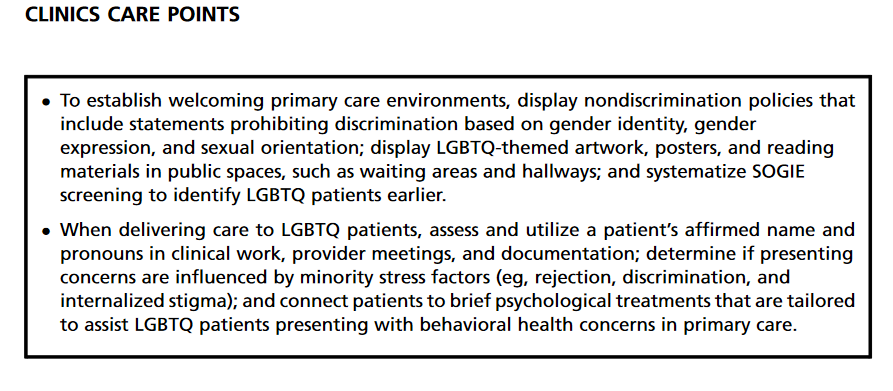
Affirming Care for LGBTQ patients

(Heredia)

Rider, G. N., et al  (2019). The gender affirmative lifespan approach (GALA): A framework for competent clinical care with nonbinary clients. The international journal of transgenderism, 20(2-3), 275–288. 

Earnshaw, V. A., et al  (2017). LGBTQ Bullying: Translating Research to Action in Pediatrics. Pediatrics, 140(4) 

Grasso, C., et al  (2019). Planning and implementing sexual orientation and gender identity data collection in electronic health records. Journal of the American Medical Informatics Association, 26(1), 66-70. 

Dichter, M. E., et al  (2018). Provider perspectives on the application of patient sexual orientation and gender identity in clinical care: a qualitative study. Journal of General Internal Medicine, 33(8), 1359-1365. 

Heredia, D., et al  (2021). LGBTQ-affirmative behavioral health services in primary care. Primary Care: Clinics in Office Practice, 48(2), 243-257.