JONA Highlights: The Magnet Recognition Program and its Influence on Hospital Rankings

“The significance of ANCC Magnet recognition and its positive impact on global safety, quality, mortality rates, patient experience, nurse empowerment, satisfaction, and retention are consistently increasing. There are currently approximately 612Magnet-designated organizations, approximately 10% of US hospitals. The Magnet designation is not easily achieved, requiring rigorous assessment of an organization’s nursing practices, patient care models, and outcomes in the top benchmarks.”

Continue reading

Emory Authors: Telemedicine impact on post-stroke outpatient follow-up in an academic healthcare network during the COVID-19 pandemic.

“Outpatient follow-up after acute stroke plays a signifcant role in optimizing patient care, secondary stroke prevention and reducing morbidity and mortality. As the risk of recurrent stroke is highest within the first six months following stroke, prompt outpatient follow-up is essential for secondary prevention of future complications and minimizing the risk of hospital readmission. Outpatient in-person follow-up represents one strategy. However, the COVID-19 pandemic negatively impacted medical delivery in various specialties, including continuity of care. Telemedicine provides an alternative strategy to evaluate and treat patients after discharge.”

“We found that patients who used teleneurology for follow-up (vs no follow-up) were more likely to be discharged from CSC than PSCs, have private insurance vs Medicare, present to hospital through private transport/taxi (vs EMS or transfer from other hospital), have a history of dyslipidemia, have NIHSS 0-5, receive intraarterial alteplase or thrombectomy, receive antidepressant at discharge and discharge to home. In-person visits (vs no follow-up) were more common among those discharged from CSC, those with family history of stroke, NIHSS 0-5, those ambulating independently with or without device or ambulation with assistance of a person.”

Alabyad, D., et al (2023). Telemedicine impact on post-stroke outpatient follow-up in an academic healthcare network during the COVID-19 pandemic. Journal of Stroke & Cerebrovascular Diseases, 32(8),

Emory Authors: The Future of Magnet (Editorial)

“Since its inception more than 3 decades ago, the American Nurses Credentialing Center’s (ANCC’s) Magnet Recognition Program® has grown to become the premier international acknowledgment of nursing excellence in healthcare organizations worldwide. From its inception, the purpose of the Magnet® program was to support nursing practice through an organizational commitment to excellence.”

Continue reading

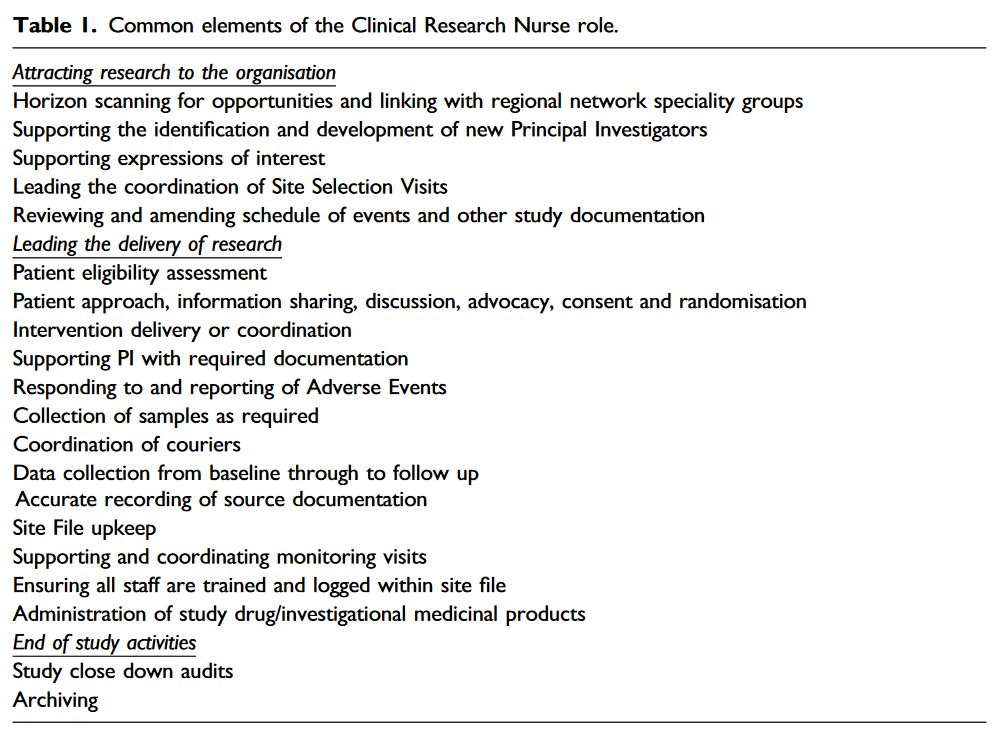
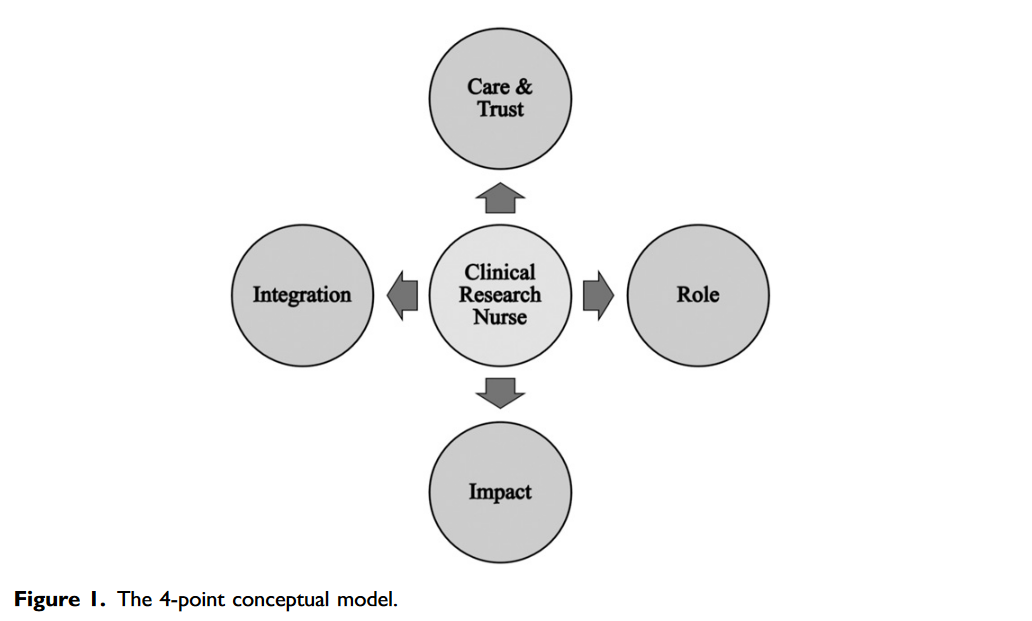
Journal of Research in Nursing highlights: Value and core concepts of the Clinical Research Nurse

“The art and science of the Clinical Research Nurse (CRN) role is found within the weaving of care throughout the research process, and the value added to patient care that this produces. CRNs play a vital role in improving patient care and contributing to enhanced treatment pathways through delivering and leading clinical research activities, but research nursing is not simply about task-based actions. Rather, it amplifies the nursing values consistent within patient care provided by nurses across all settings.”

Continue reading

Nursing Highlights:

“Information literacy (IL) is crucial for nursing education because it enables nursing students to effectively access, evaluate, and apply research and evidence-based practice (EBP). This includes critically assessing the quality and relevance of information sources, understanding howto effectively search for and retrieve information, and applying research and EBP to clinical decision-making.”

“Nurses who value information and scholarly inquiry will be more likely to analyze and evaluate information, identify gaps in current knowledge, and prioritize research needs to
develop EBP guidelines for safe patient care.12 By participating in EBP activities, nurses can learn how to understand and communicate research findings, which could enhance the
quality of patient care.”

Continue reading

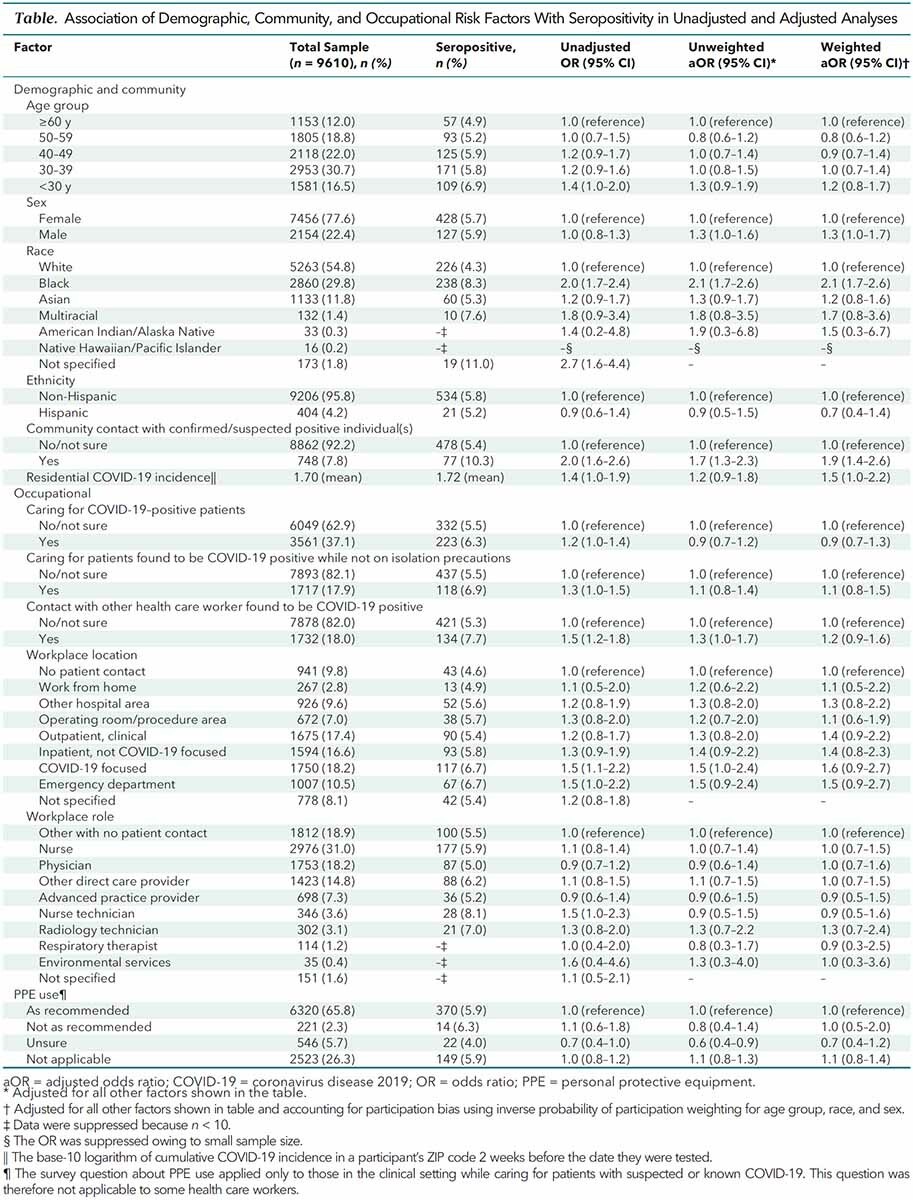
Emory Healthcare: Occupational and Community Risk Factors forSARS-CoV-2 Seropositivity Among Health Care Workers


“Health care workers (HCWs) are presumed to be athigh risk for coronavirus disease 2019 (COVID-19)through occupational exposure to infected patients orcoworkers. Studies have reported a wide range of sero-prevalence of severe acute respiratory syndrome corona-virus 2 (SARS-CoV-2), the virus that causes COVID-19,among HCWs. This variation has in part been attributedto differential risk for exposure in the community. Indeed, recent studies have shown that a substantialnumber of infections among HCWs could not be tracedto occupational exposures and that community expo-sures were as or more strongly associated with infection.”

Continue reading

Journal of Nursing Research Highlights:

Perceptions of clinical research delivery and the Clinical Research Nurse

“The Clinical Research Nurse (CRN) role makes an important contribution to realising the aims of the wider health agenda. Despite its continuing evolution and longevity, the CRN role appears to be one of the least understood outwith the field of clinical research delivery in healthcare settings. The lack of understanding presents additional challenges to those in the role, despite numerous attempts to articulate the core elements of the work through
various publications.”

Continue reading