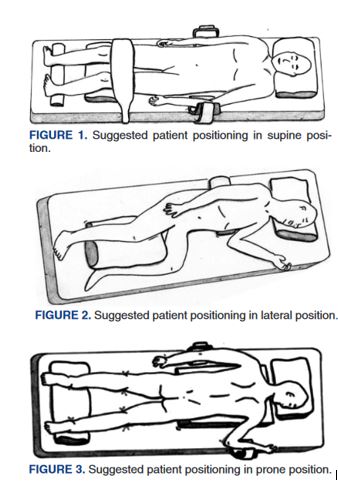
Prevention of pressure ulcers for patients undergoing endoscopy procedures.

“Patient positioning during gastrointestinal endoscopic procedures has received minimal attention compared with surgical procedures performed in the surgical setting. However, prolonged endoscopic interventions on patients and the increasing requirement for general anesthesia have changed to need for patient positioning guidelines. It is crucial to establish positioning guidelines for endoscopic procedures in supine, prone, and lateral positions.
These new patient positioning guidelines during gastrointestinal endoscopic procedures should become part of national endoscopy practice standards and the education curriculum of endoscopy nurses.” (Meeusen)

(Meeusen)
Continue reading

Interventions to improve medical reconciliation

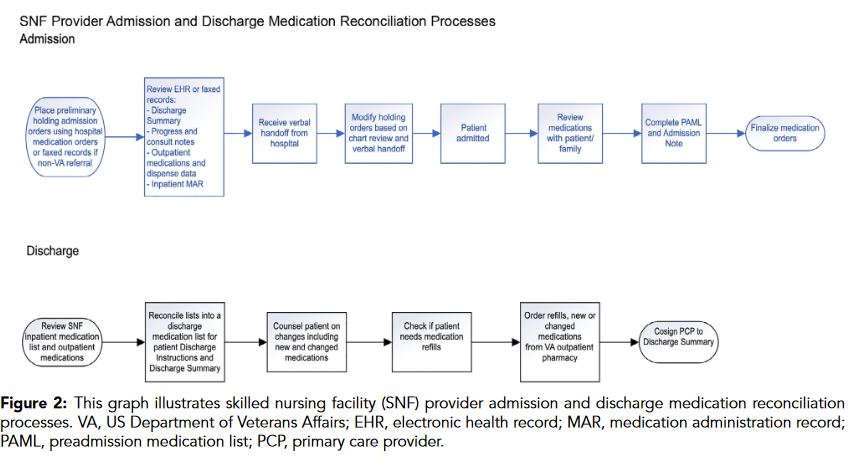
“Unintentional medication discrepancies due to inadequate medication reconciliation pose a threat to patient safety. Skilled nursing facilities are an important care setting where patients are vulnerable to unintentional medication discrepancies due to increased medical complexity and care transitions. This study describes a quality improvement approach to improve medication reconciliation in a skilled nursing facility setting as part of the Multi-Center Medication Reconciliation Quality Improvement Study 2.” (Baughman)

(Baughman)

Baughman, A. W., et al . (2021). Improving Medication Reconciliation with Comprehensive Evaluation at a Veterans Affairs Skilled Nursing Facility. Joint Commission journal on quality and patient safety, 47(10), 646–653. Free Full Text

Continue reading

Nursing informatics and healthcare

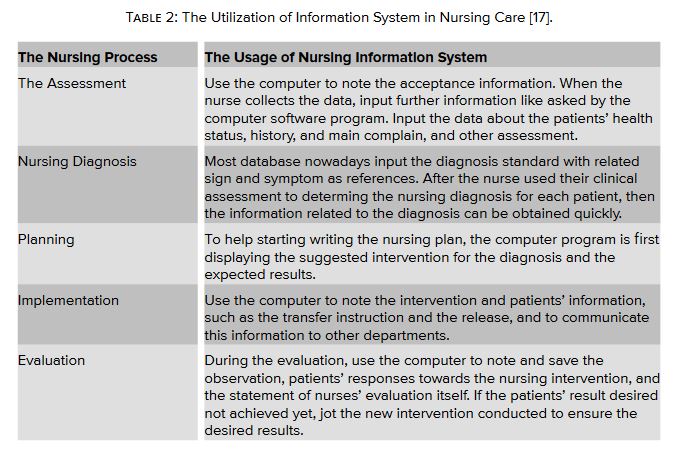
“The utilization of information and technology in the practice of nursing care is a large undertaking. The Health information system is utilized through the combination of devices and procedures used to manage the information cycle. One of health information system’s development is a nursing care management system. The benefit of the development can increase the nurse’s ability in organizing nursing care.. It can also increase complete data reports and communication systems as well as clear delegation.These efforts are necessary in developing a nursing informatics system technology.” (Saputra)

(Saputra)

Saputra, C.et al . (2019). Nursing informatics system in health care delivery. KnE Life Sciences, 38-46. Full Text for Emory Users

Continue reading

What is the required or recommended nursing documentation for patients in the pre-operative and post-operative phases?

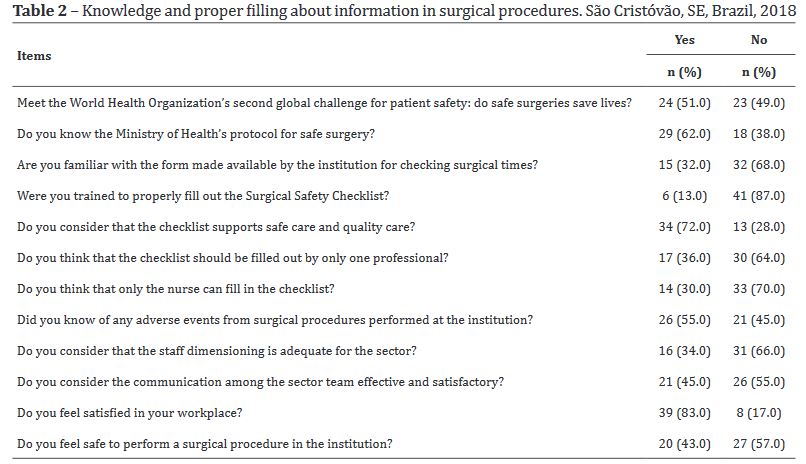
(Santos)

Santos Almeida, A. C., et al  (2021). Inadequate completion of surgical data for patient safety: opinion of health professionals. Rev Rene, 22(1), 1–8. Free Full Text

Grommi, S., et al (2021). Educating Registered Nurses for Pain Knowledge and Documentation Management: A Randomized Controlled Trial. International Journal of Caring Sciences, 14(2), 919–929. Full Text for Emory Users

Lakshmikantha, N., & Lakshman, K. (2021). A Review of Operation Theater Notes in a Tertiary Care Center. Indian Journal of Surgery, 83(4), 956–959. Full Text for Emory Users

Shoqirat, N., et al  (2019). Nursing Documentation of Postoperative Pain Management: A Documentary Analysis. Journal of Nursing Care Quality, 34(3), 279–284. Full Text for Emory Users

Discharge lounges and patient/system outcomes

“The development of the discharge lounge has demonstrated significant improvement in five areas:
• Higher patient satisfaction scores
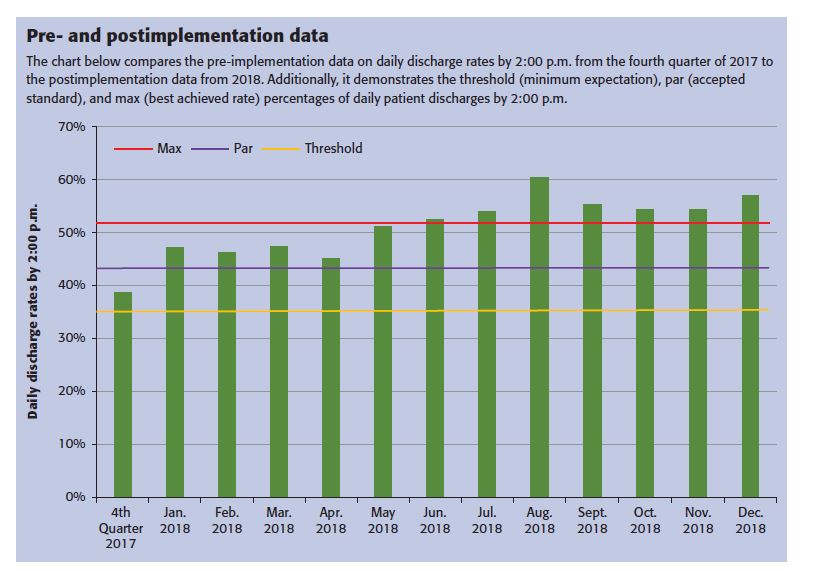
• Increased patient discharges by 2:00 p.m. daily
• Reduced boarding time, or the time patients spend in the ED before being transferred to another unit
• Decreased frequency of 30-day readmissions
• Enhanced identification and correction of potential safety issues”

(Rhodes)

RHODES, J. R., et al (2020). Discharge lounges for optimal outcomes: A quality improvement project. Nursing, 50(12), 65–68.
Full Text for Emory Users

Continue reading

What considerations should be given during the patient handover between ED and intensive care unit (ICU)?

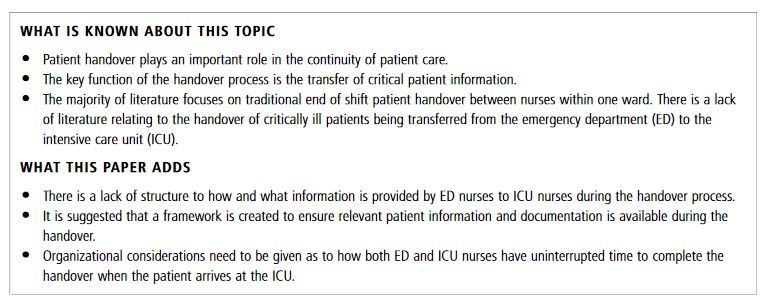
“The transfer of information between nurses from emergency departments (EDs) and critical care units is essential to achieve a continuity of effective, individualized and safe patient care. The aim of this study was to explore the process of patient handover between ED and intensive care unit (ICU) nurses when transferring a patient from ED to the ICU. Qualitative analysis of the data revealed that there was no structured and consistent approach to how handovers actually occurred. Nurses from both ED and ICU lacked clarity as to when the actual handover process began. Nurses from both settings recognized the importance of the information given and received during handover and deemed it to have an important role in influencing quality and continuity of care. Nurses from both departments would benefit from a structured framework or aide memoir to guide the handover process. Collaborative work between the nursing teams in both departments would further enhance understanding of each others’ roles and expectations.”

McFetridge, B., Gillespie, M., Goode, D., & Melby, V. (n.d.). An exploration of the handover process of critically ill patients between nursing staff from the emergency department and the intensive care unit. Nursing in Critical Care.,12(6), 261-269.
Full text for Emory Users

Continue reading

What factors lead to resilient healthcare teams?

Psychological resilience, “the human ability to adapt in the face of tragedy, trauma, adversity, hardship, and ongoing significant life stressors,”[1] is thought to be a state of internal balance where “we are at our best, able to learn, solve problems, and work effectively with others”, resulting in better patient outcomes, and less employee burnout and turnover.[2]

Leadership techniques for team resilience training have been researched. One study found that managers addressed difficult situations by “facilitating teamwork through goalsetting, problem-solving and circumventing the technical systems’ limitations”, noting that increased team collaboration is supported by “team members’ abilities to predict the behavior of each other.”[3] Other strategies include “those that: a) foster connections within the team; b) provide education and training to develop behaviors that assist in controlling or limiting the intensity of stress, or aiding recovery; and c) assist in processing emotion and learning from experiences.”[4]

Additionally, in workshops, medical residents found greater personal strength from the group experience when they reflected on difficult cases and discussed them as a group, along with reviewing the “4 S’s” of resilience (Supports, Strategies, Sagacity [what wisdom did they gain], and Solutions to the problem).[5]

Resiliency is a factor for team success outside of healthcare as well. A Harvard Business Review survey[6] of 2,000 National Collegiate Athletic Association (NCAA) basketball coaches found that,

The “characteristics of a resilient team are:

  • They believe they can effectively complete tasks together.
  • They share a common mental model of teamwork.
  • They are able to improvise.
  • They trust one another and feel safe.”
Continue reading