Emory Authors: Looking Back to Advance Equity in Psychiatric Nursing: Strategies for the Classroom and for Practice.

“With deep historical roots in psychiatry, structural racism persists in psychiatric nursing today. Psychiatric nurses may hold implicit biases and stereotypical beliefs that influence how they perceive, assess, and interact with people from different racial backgrounds, leading to discrimination, poor treatment, and misdiagnosis. To eliminate discrimination in clinical care and diversify the workforce, there is an urgent need to integrate teaching and learning strategies that address influences of racism and racial identity in psychiatric nursing education. This article explores the historical context and proposes antiracist psychiatric nursing teaching and practice interventions to reduce the harms of racism.”

“Since the late 19th century, psychiatric nursing evolved in tandem with American psychiatry and inherited many of the same biases. From the mid-19th century on, psychiatric care was
provided in racially segregated facilities, which limited the ability of Black women to become nurses and severely impacted patient care (Smith, 2020). Black nurses fought to be able to undertake mental health training and provide psychiatric practice but were restricted to Black-only hospitals, such as the Tuskegee Veterans Affairs hospital in Alabama, which provided psychiatric care to Black returned service men and the local community. In adopting the principles of mainstream psychiatry, psychiatric nursing also adopted a program of “mental hygiene” and eugenic science.”

Continue reading

Chemical Restraints in mental health settings

“Chemical restraint (CR) (also known as rapid tranquilisation) is the forced (non‐consenting) administration of medications to manage uncontrolled aggression, anxiety, or violence in people who are likely to cause harm to themselves or others.”

Muir, C. E., et al (2020). International research into 22 years of use of chemical restraint: An evidence overview. Journal of Evaluation in Clinical Practice, 26(3), 927–956. Full Text for Emory Users

Continue reading

Phone and personal item confiscation of psychiatric patients

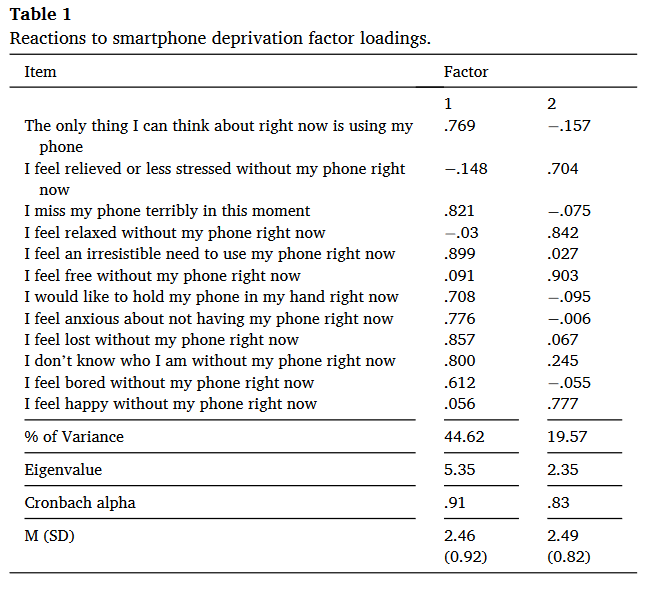
“Because of the diversity of reactions to smartphone deprivation, inpatient psychiatric unit clinicians should be aware of the duality of smartphone use and restriction among adolescents. Fostering youths’ awareness of the advantages and disadvantages of their smartphone use may facilitate behavior change related to problematic phone use after
leaving the hospital.” (Burke)

(Burke)

Burke, T. A., et al . (2022). Reactions to naturalistic smartphone deprivation among psychiatrically hospitalized adolescents. Journal of psychiatric research, 155, 17–23. Full Text for Emory Users

Continue reading

Evaluating psychiatric patients in the emergency department

Wilson, M. P., et al (2017). American Association for Emergency Psychiatry Task Force on medical clearance of adult psychiatric patients. Part II: controversies over medical assessment, and consensus recommendations. Western Journal of Emergency Medicine, 18(4), 640. Free Full Text

Continue reading