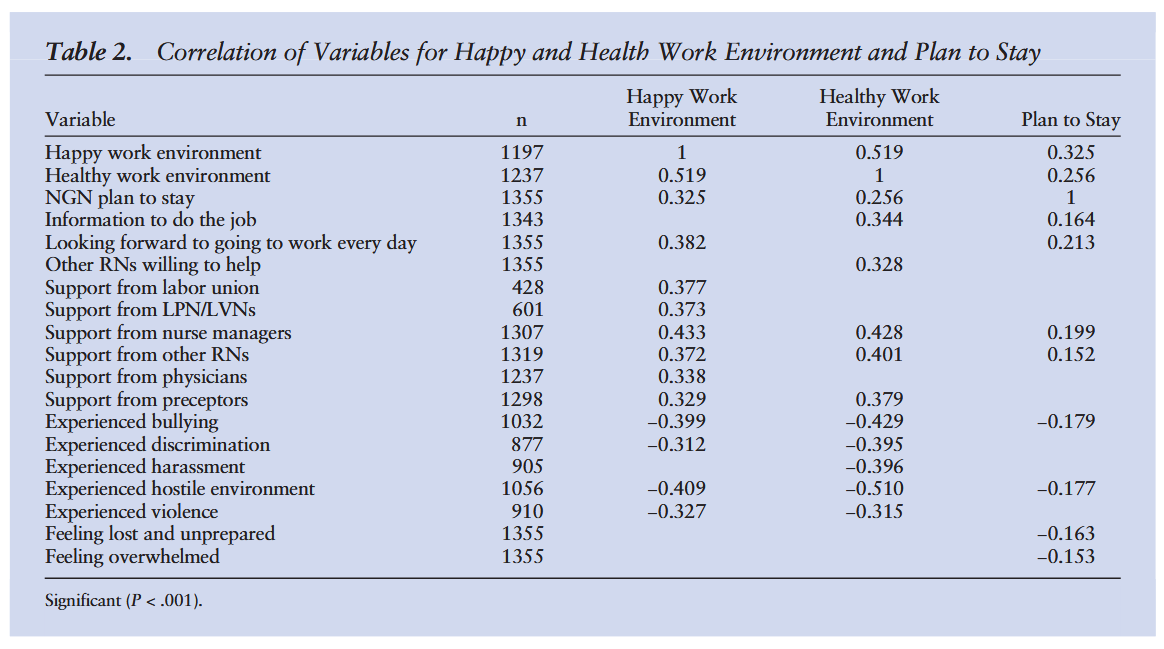
“Retaining high-quality, healthy, and well-educated nurses is vital to health systems’ capacities to provide patients with safe and evidence-based care. Research consistently demonstrates the benefits to patient safety when hospitals are adequately staffed with qualified nurses. Yet, estimates show over one-third of nurses have expressed some intention to leave their jobs and that approximately 1 in 5 nurses leave their jobs annually.
In the Southeastern United States, nurse turnover and intent to leave are particularly acute relative to elsewhere in the nation. The COVID-19 pandemic exacerbated working conditions for many nurses, accelerating trends with increasing numbers of nurses leaving, or planning to leave their positions, and even the profession. Identifying scalable approaches to promote workplace well-being and foster nurse retention is urgently needed
to stymie continued losses to the nurse workforce.”
Category Archives: Professionalism
JONA Highlights: Social Capital in the Workplace for New Graduate Nurses: Maximizing Recruitment and Retention
“The concept of social capital asserts that social relationships, memberships, connections, and interactions among people create valuable networks that serve as resources to their members. Social relationships in the workplace build human capital, which is an individual’s
knowledge, skills, and experiences. Benefits are both gained and transferred by social ties and social participation that build trust and foster engagement. In examining the employment experiences of NGNs, it is important to consider the significance of social capital. This entails identifying the various sources of social capital within the workplace that can help cultivate positive work environments.”

Emory Authors: Nursing’s Commitment to the Principles of Diversity, Equity,and Inclusion
“The history of American nursing is a record of care across social, racial, economic, and geographic lines. The profession has long aligned itself with the needs of the underserved,
sometimes in direct opposition to the social norms of the time. One of the earliest examples are Lillian Wald, a New York nurse and social reformer serving the immigrant community of New York City’s lower east side, and Mary Eliza Mahoney, who became the first African American professionally trained nurse in the United States in 1879. Both, in their own ways,
championed equity and integration in nursing education and care, laying a foundation for social and racial equity in the profession.”
JONA Highlights: Practical Steps Supporting Professional Publications for Leadership and Teams
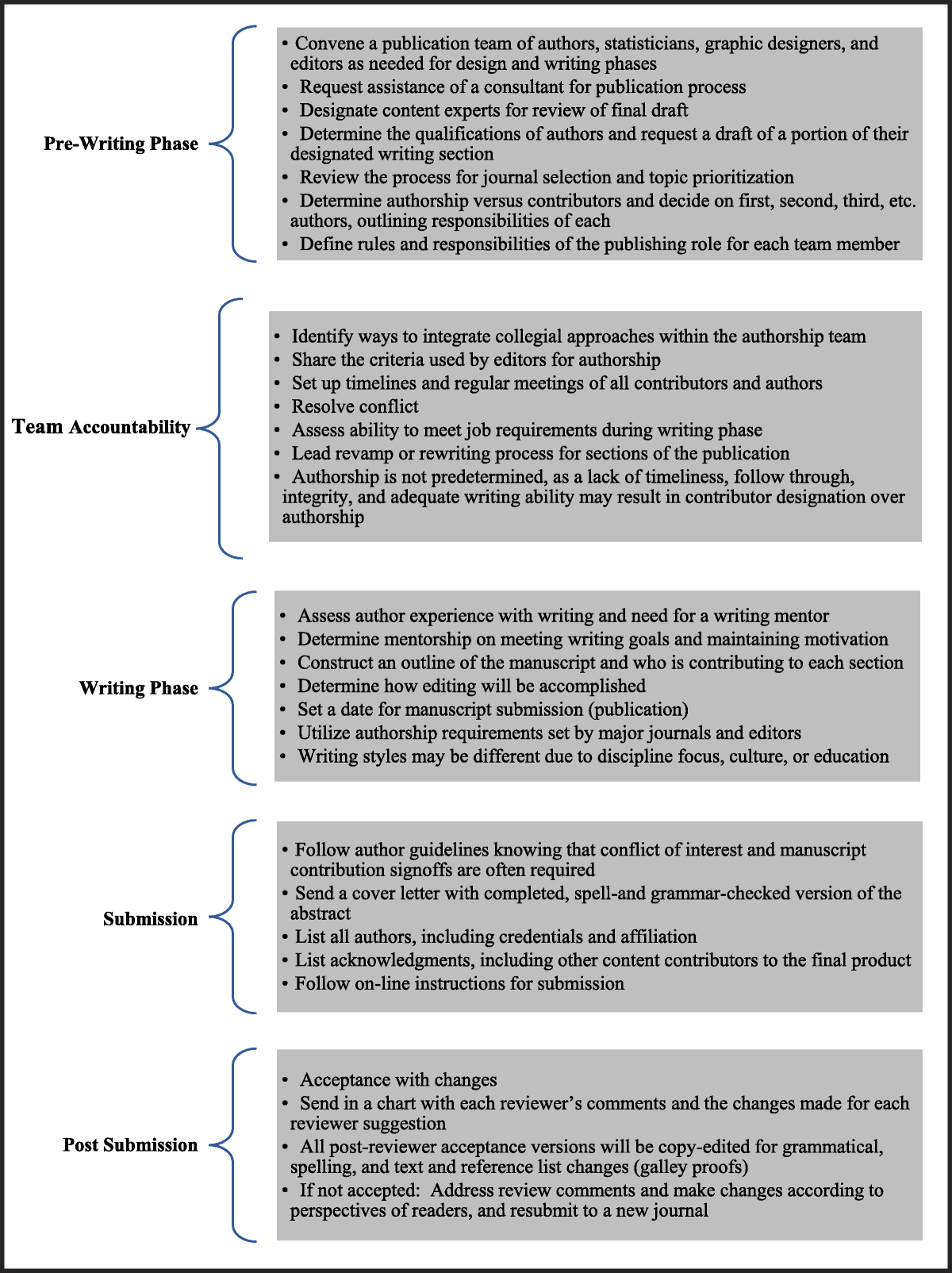
“Disseminating research or evidence-based practice is not straightforward. As more clinical nurses, executive nurse leaders, nurse scientists, and faculty contribute to new knowledge, there is an increasing need to support the processes to publish and disseminate manuscripts to advance healthcare. Nurse administrators and leaders are key influencers and supporters to bolster expertise and resources to publish. This article provides nurse leaders and administrators clear, actionable steps to enable successful publication outcomes”