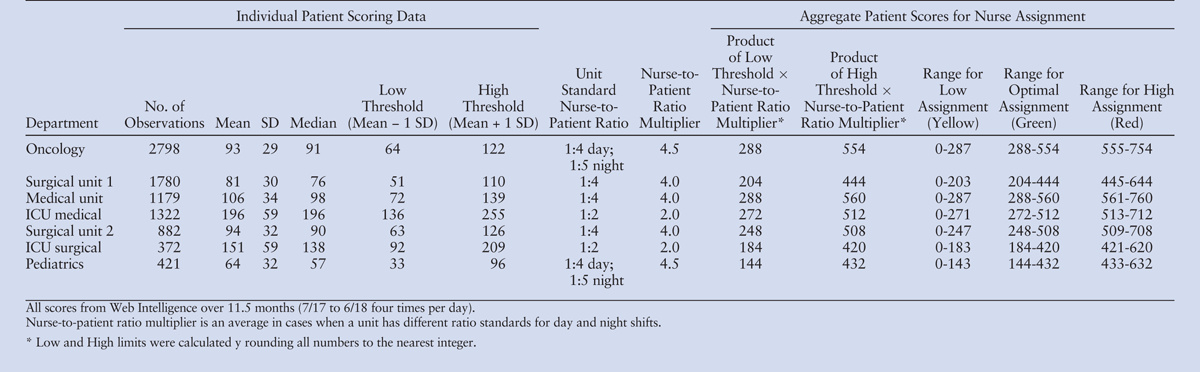
“The use of objective, electronically generated nursing workload scores, combined with traditional nurse-to-patient ratios, provides accurate real-time nurse staffing needs that can inform best practice in staffing.”
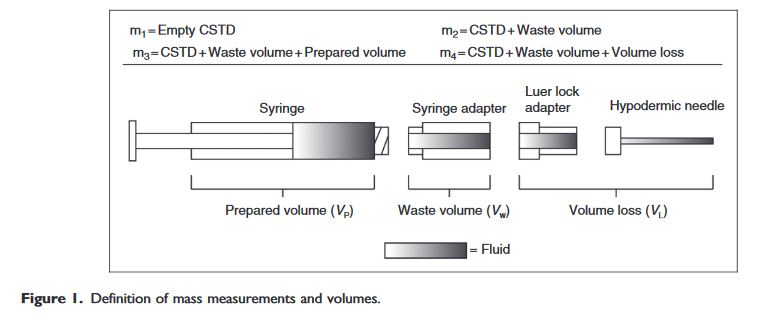
“While CSTDs are an important tool to reduce exposure to hazardous drugs, CSTD performance and design should be considered within the context of the varying tasks, users, and environments where they are used.”
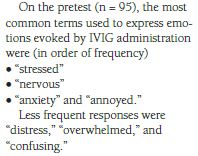
“Due to the infrequent use of I.V. immune globulin (IVIG) in the oncology population, most nurses have little experience with IVIG administration. Multiple-step calculations are often required to administer IVIG based on patient weight. The cost of a single dose of IVIG can be very high, depending on the formulation. Consequently, administering IVIG can be stressful for nurses. This project has important patient safety implications. It highlights apprehension and distress surrounding IVIG administration and can be used as a guide to identify other areas of opportunity to improve nurse comfort and confidence with high adverse reaction profile medications.”
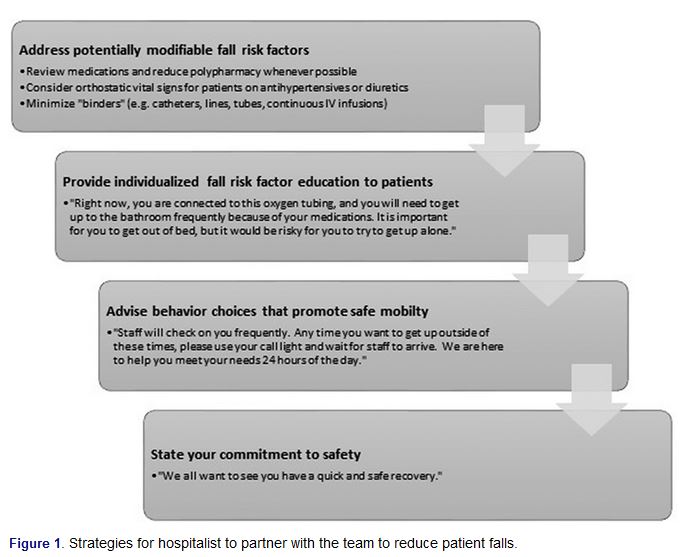
“Despite decades of fall prevention efforts, patient falls remain a common cause of harm in hospitalized older adults. While fall prevention strategies have been historically championed by nurses, hospitalist physicians, nurse practitioners, and physician assistants play a vital role in the multidisciplinary care team in ensuring the safety of our patients. Promising strategies for fall prevention include tailoring interventions to patient risk factors and individualized patient education. In addition to nursing-based interventions, the hospitalist’s role in fall prevention is to (1) identify and address potentially modifiable risk factors, (2) reinforce individualized education to patients, and (3) advise behavior choices that promote safe mobility.”
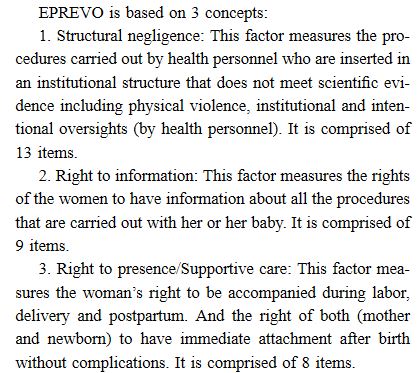
Obstetric violence is considered a violation of the rights to equality, non-discrimination, information, integrity, health, and reproductive autonomy of women. It occurs in both public and private medical practice during pregnancy, delivery, and postpartum care. There is a growing global commitment to address this challenge, that has been supported by policy statements from the World Health Organization (WHO). Medicalization and pathologizing abuse of natural birth processes have been identified as obstetric violence patterns. Indigenous women and women who live in rural areas are particularly vulnerable to this kind of abuse. A new instrument called EPREVO has been developed to measure obstetric violence in Ecuador and the objective of this work is to validate its reliability and structural dimensionality.
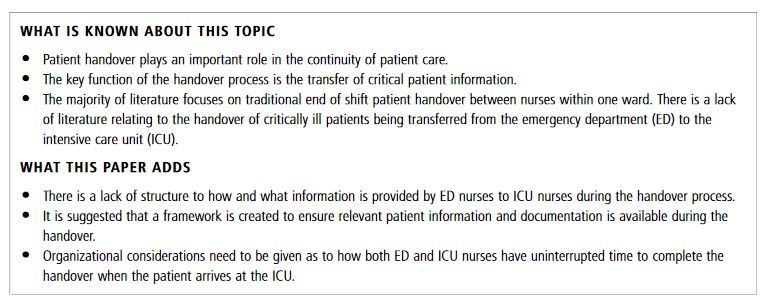
“The transfer of information between nurses from emergency departments (EDs) and critical care units is essential to achieve a continuity of effective, individualized and safe patient care. The aim of this study was to explore the process of patient handover between ED and intensive care unit (ICU) nurses when transferring a patient from ED to the ICU. Qualitative analysis of the data revealed that there was no structured and consistent approach to how handovers actually occurred. Nurses from both ED and ICU lacked clarity as to when the actual handover process began. Nurses from both settings recognized the importance of the information given and received during handover and deemed it to have an important role in influencing quality and continuity of care. Nurses from both departments would benefit from a structured framework or aide memoir to guide the handover process. Collaborative work between the nursing teams in both departments would further enhance understanding of each others’ roles and expectations.”

 Evidence Matters