Heo, H.,et al (2021). Developing the first telenursing service for COVID-19 patients: The experience of South Korea. International Journal of Environmental Research and Public Health, 18(13), 6885 Free Full Text
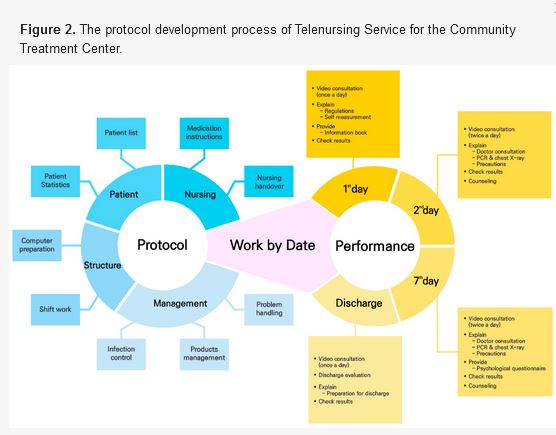

Heo, H.,et al (2021). Developing the first telenursing service for COVID-19 patients: The experience of South Korea. International Journal of Environmental Research and Public Health, 18(13), 6885 Free Full Text
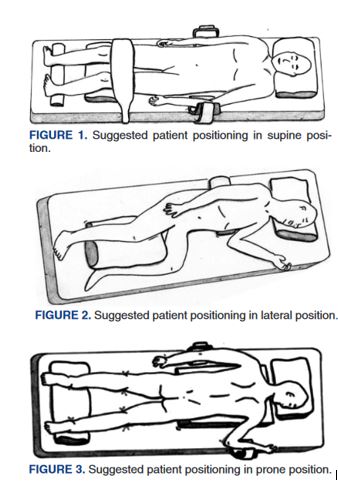
“Patient positioning during gastrointestinal endoscopic procedures has received minimal attention compared with surgical procedures performed in the surgical setting. However, prolonged endoscopic interventions on patients and the increasing requirement for general anesthesia have changed to need for patient positioning guidelines. It is crucial to establish positioning guidelines for endoscopic procedures in supine, prone, and lateral positions.
These new patient positioning guidelines during gastrointestinal endoscopic procedures should become part of national endoscopy practice standards and the education curriculum of endoscopy nurses.” (Meeusen)
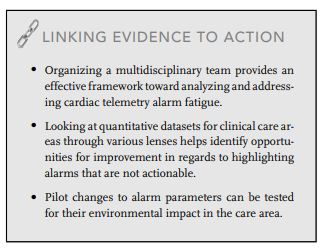
“Health care workers are exposed to an excessive number of alarms that overload their senses, which leads to alarm desensitization. It is estimated that between 80% and 99% of alarms in the clinical areas are false As health care workers become increasingly desensitized to alarms, alarm response rates decrease or diminish all together. Poor alarm response rates result in important alarms being overlooked or ignored because the important alarms are
drowned out by superfluous alarms.” (Srinivasa)
“Unintentional medication discrepancies due to inadequate medication reconciliation pose a threat to patient safety. Skilled nursing facilities are an important care setting where patients are vulnerable to unintentional medication discrepancies due to increased medical complexity and care transitions. This study describes a quality improvement approach to improve medication reconciliation in a skilled nursing facility setting as part of the Multi-Center Medication Reconciliation Quality Improvement Study 2.” (Baughman)
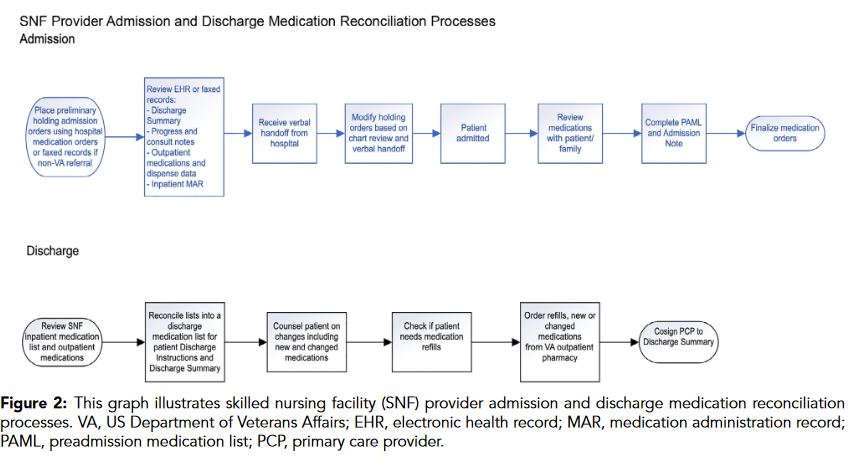
Baughman, A. W., et al . (2021). Improving Medication Reconciliation with Comprehensive Evaluation at a Veterans Affairs Skilled Nursing Facility. Joint Commission journal on quality and patient safety, 47(10), 646–653. Free Full Text
Continue reading
“Discharge education is important for general surgical patients to participate and
regain control of their life after discharge. Overcoming barriers to discharge education is essential to enhance patient comprehension and recollection of the information. Discharge education delivered using a patient‐centred approach provides opportunity to engage patients,
foster patient understanding and enhance patients’ ability to self‐manage and could in turn improve their post-discharge outcomes.” (Kang)
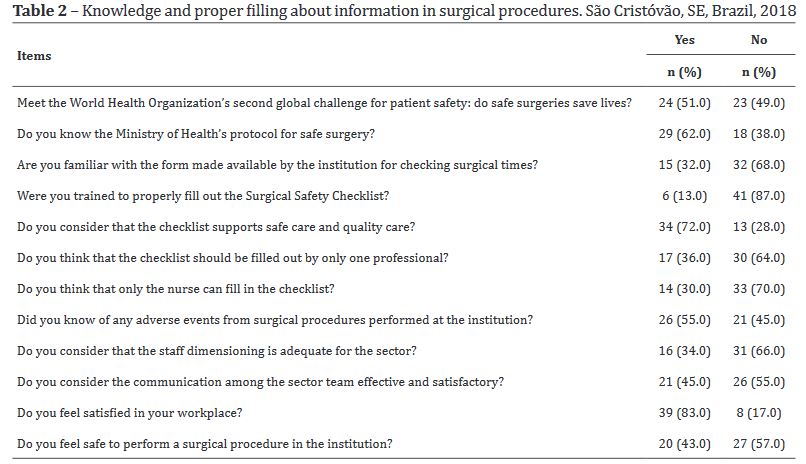
Santos Almeida, A. C., et al (2021). Inadequate completion of surgical data for patient safety: opinion of health professionals. Rev Rene, 22(1), 1–8. Free Full Text
Grommi, S., et al (2021). Educating Registered Nurses for Pain Knowledge and Documentation Management: A Randomized Controlled Trial. International Journal of Caring Sciences, 14(2), 919–929. Full Text for Emory Users
Lakshmikantha, N., & Lakshman, K. (2021). A Review of Operation Theater Notes in a Tertiary Care Center. Indian Journal of Surgery, 83(4), 956–959. Full Text for Emory Users
Shoqirat, N., et al (2019). Nursing Documentation of Postoperative Pain Management: A Documentary Analysis. Journal of Nursing Care Quality, 34(3), 279–284. Full Text for Emory Users
“The development of the discharge lounge has demonstrated significant improvement in five areas:
• Higher patient satisfaction scores
• Increased patient discharges by 2:00 p.m. daily
• Reduced boarding time, or the time patients spend in the ED before being transferred to another unit
• Decreased frequency of 30-day readmissions
• Enhanced identification and correction of potential safety issues”
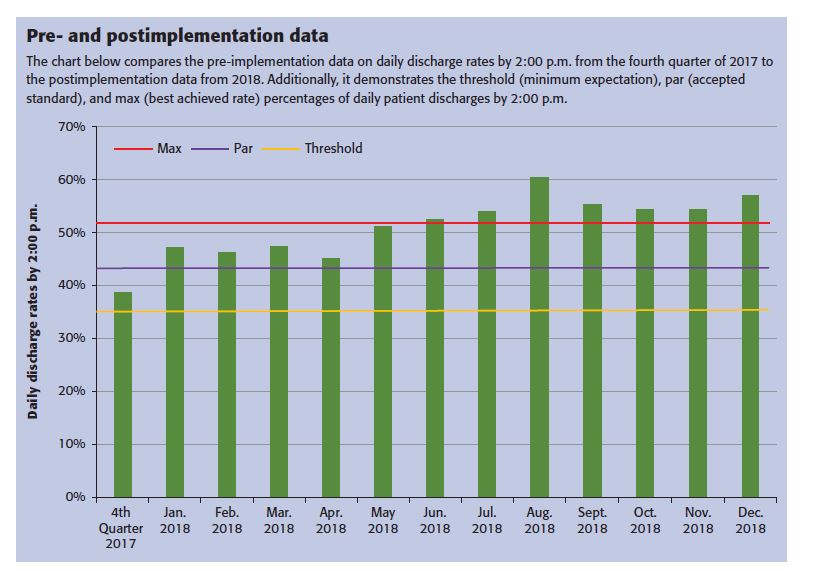
RHODES, J. R., et al (2020). Discharge lounges for optimal outcomes: A quality improvement project. Nursing, 50(12), 65–68.
Full Text for Emory Users
 Evidence Matters