JONA Highlights: Addressing the Shortage of Academic Nurse Educators-An Opportunity for Collaboration Between Academic and Healthcare Organization Leaders.

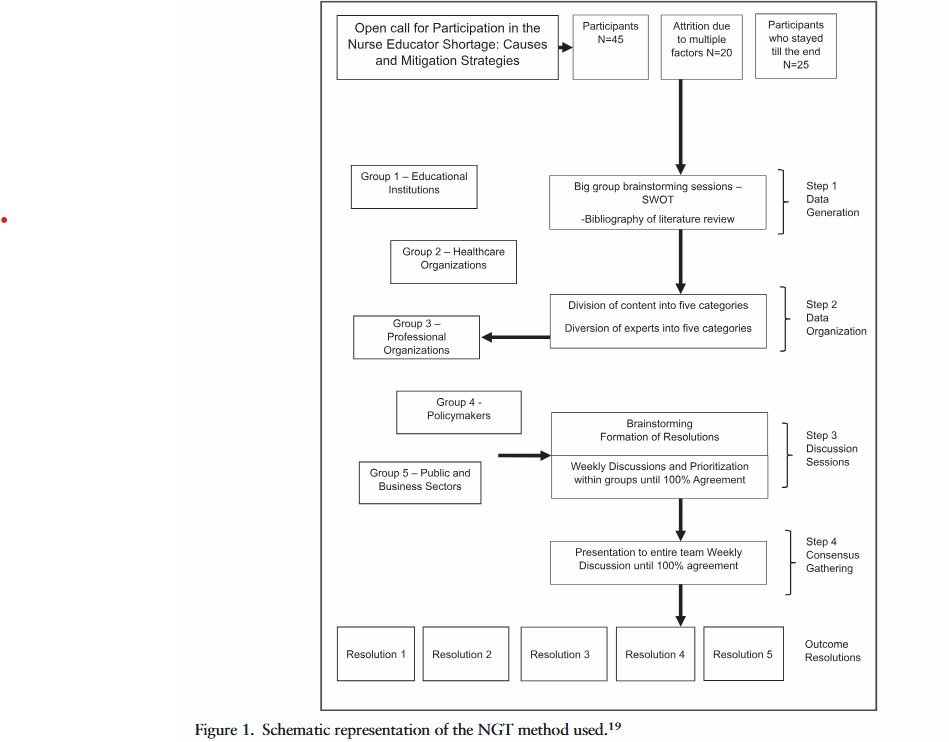
“The nursing shortage is not new; however, it has been exacerbated by burnout, mass resignations, and alternative employment options during the COVID-19 crisis. A reported lack of academic nurse educators (ANEs) and impending shortages are predicted to have a negative impact on the nursing workforce. Academic nurse educators are licensed RNs with an advanced degree, typically a master’s in nursing, a doctorate of nursing practice, an EdD, or a PhD, and employed by a university, college, or school of nursing. The dearth of ANEs has led nursing programs to cap the number of accepted students, contributing to the nursing shortage. According to the National League for Nursing, the faculty shortage
across all nursing programs has almost doubled from 669 vacancies3 in 2019 to 1005 vacancies in 2022.”

Continue reading

New Nursing Continuing Education Page

The WHSC Library is committed to providing Emory students, faculty, and healthcare professionals with the resources necessary to prepare for specialty certification exams, license renewal and achieve advancements in your career.

To help support your continuing education and professional development, a new online Nursing Continuing Education guide from the WHSC Library links nurses from Emory Healthcare and the School of Nursing to sources of both free and library-subscribed nursing CEUs to help with license renewal.

This guide, along with the Nursing Certification Resources page, support our Emory healthcare communities and their dedication to patient care and safety.

JONA Highlights: Redesign of a Clinical Advancement Program to Highlight Clinical Expertise

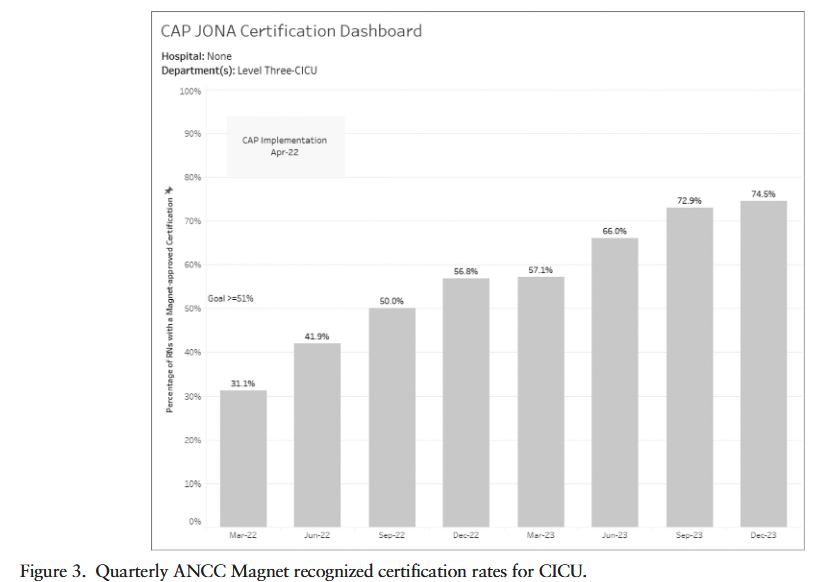
“Clinical advancement programs (CAPs) provide nurses opportunities to increase engagement in their nursing practice and increased monetary rewards through opportunities for professional development. This increased engagement can lead to improved patient outcomes, healthy practice environments, and increased retention. The redesigned CAP sought to improve upon these tenants by increasing participation through an objective
process while honoring the contributions and expertise of bedside nurses.”

Continue reading

Emory Authors: Design health care systems to protect resilience in nursing

“There is no one definition of resilience. It is a fascinating word because it simultaneously can invoke great meaning—such as the ability to reclaim purpose or dignity following trauma—and imply wholly different things to different people”

“Nurses were intimately familiar with moral distress and burnout prior to COVID-19. When the pandemic began, it brought an avalanche of stressors that piled on top of existing nursing strain from decades of cumulative, unaddressed system dysfunction. The nursing resignations that have followed are not a function of individual nurses’ mental strength or ability to perform self-care during off-hours; they are a function of many health care systems’ failure to recognize and invest in the nursing workforce. The truth is that the majority of nurses show a great capacity for resilience. Resilience is a requirement for long-term success in most nursing roles. (In ideal training settings, this inherent resilience is enhanced
through mentorship and teaching. During the pandemic, it was health care systems that crumbled under mounting pressures while nurses often carried the pieces.”

Continue reading

Emory Authors: The Future of Magnet (Editorial)

“Since its inception more than 3 decades ago, the American Nurses Credentialing Center’s (ANCC’s) Magnet Recognition Program® has grown to become the premier international acknowledgment of nursing excellence in healthcare organizations worldwide. From its inception, the purpose of the Magnet® program was to support nursing practice through an organizational commitment to excellence.”

Continue reading

JONA Highlights: Retention Outcomes of New Graduate Nurse Residency Programs

“Nurse Residency Programs can increase 1-year retention of new graduate nurses. More controlled and comparative studies are needed to evaluate program differences. Nurse leaders need evidence to ascertain which programs are the most effective in supporting retention and return on investment.

Continue reading

JONA Update: Recognizing What Meaningful Recognition Is to Nursesas a Strategy for Nurse Leaders

Meaningful recognition to nurses is as diverse as the nursing population. It is important that instruments be developed to capture the rich cultural and ethnic differences in relation to what is considered meaningful recognition to the nursing workforce. Although pay, public recognition, and opportunities for advancement were seen in this study as important forms of meaningful recognition, a deeper exploration across ethnic, racial, and gender groups is needed. This study underscored that one size of meaningful recognition does not fit all.

Sweeney, Cynthia, et al (2023). Retaining the Best: Recognizing What Meaningful Recognition Is to Nurses as a Strategy for Nurse Leaders. The Journal of Nursing Administration, 53, 81-87.