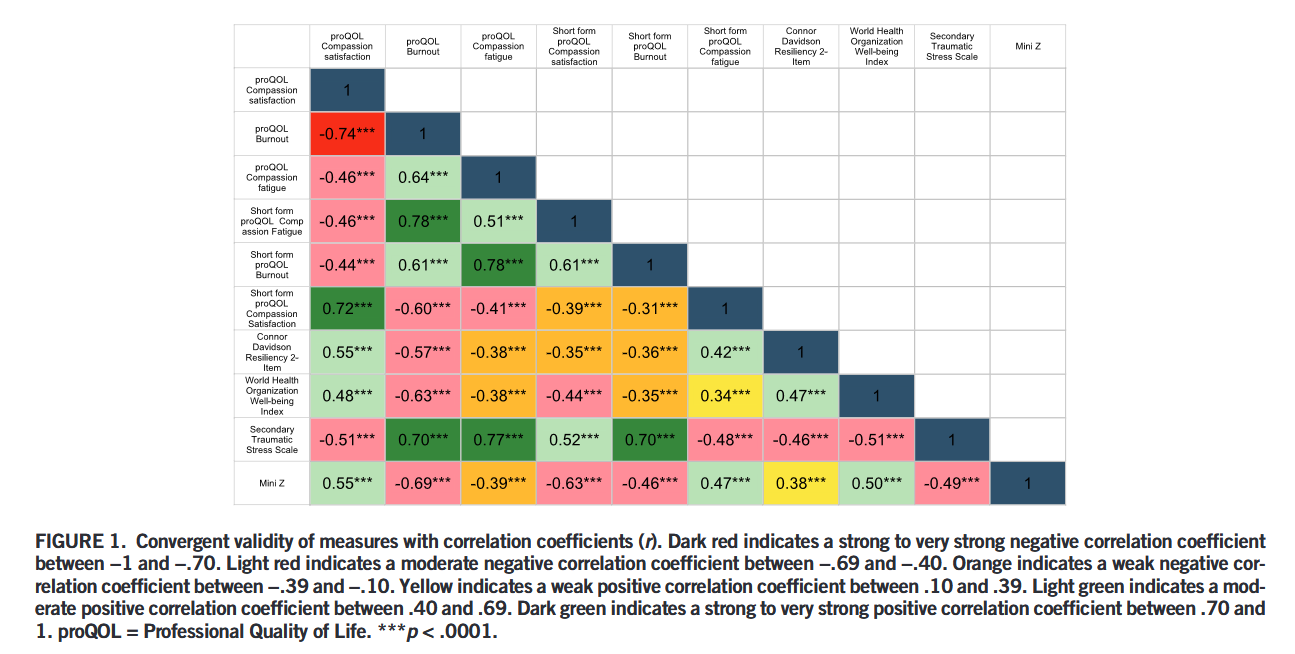
“A healthy, competent nursing workforce is a vital component to ensuring patients receive high-quality, evidence-based care. However, unsafe work environments, patients’ ever-increasing complex care needs, and public health emergencies threaten the well-being of nurses and increase the risk of nurse burnout. Burnout is a psychological syndrome resulting from chronic job-related interpersonal stressors; it manifests as overwhelming exhaustion, cynicism towards or detachment from the job, and feeling a sense of lacking professional achievement.”
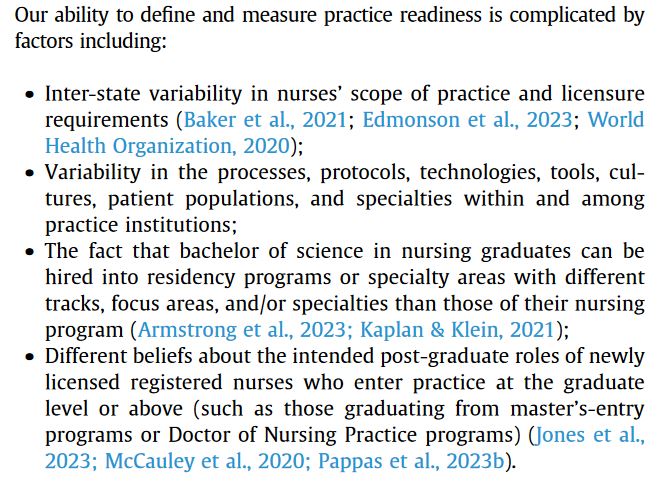
“The nursing profession is engaged in robust national dialogue on how to implement competency-based education. This dialogue often conflates the concept of “competency-based education” with nursing “competence” or “practice readiness.” Our aim is to discuss the potential harms of conflating “competency-based education” with “competence” or “practice readiness.” This commentary explores the possible risks of issue conflation. Risks include (a) suggesting that nurses who have successfully obtained licensure are not “competent” or “ready to practice,” and (b) de-emphasizing the importance of safe and sustainable work environments for new graduate nurses. We discuss the need to separate conversations about “competency-based education” and “practice readiness”; the need to increase the clarity and specificity of discourse surrounding competency-based education; and the need for strategic alignment across academia and practice.”
“While several studies have investigated the impact of informal caregiving on physical and mental health outcomes, there is a gap in the literature concerning the effect of caregiving on cognitive performance, an essential component of independent living and caregiving. The limited research to date predominantly suggests that informal caregiving increases the risk of cognitive impairment and even dementia. This increased risk is related to the stress and poor sleep associated with the caregiving role, along with various psychosocial, behavioral, and physiological factors that negatively impact caregivers.”
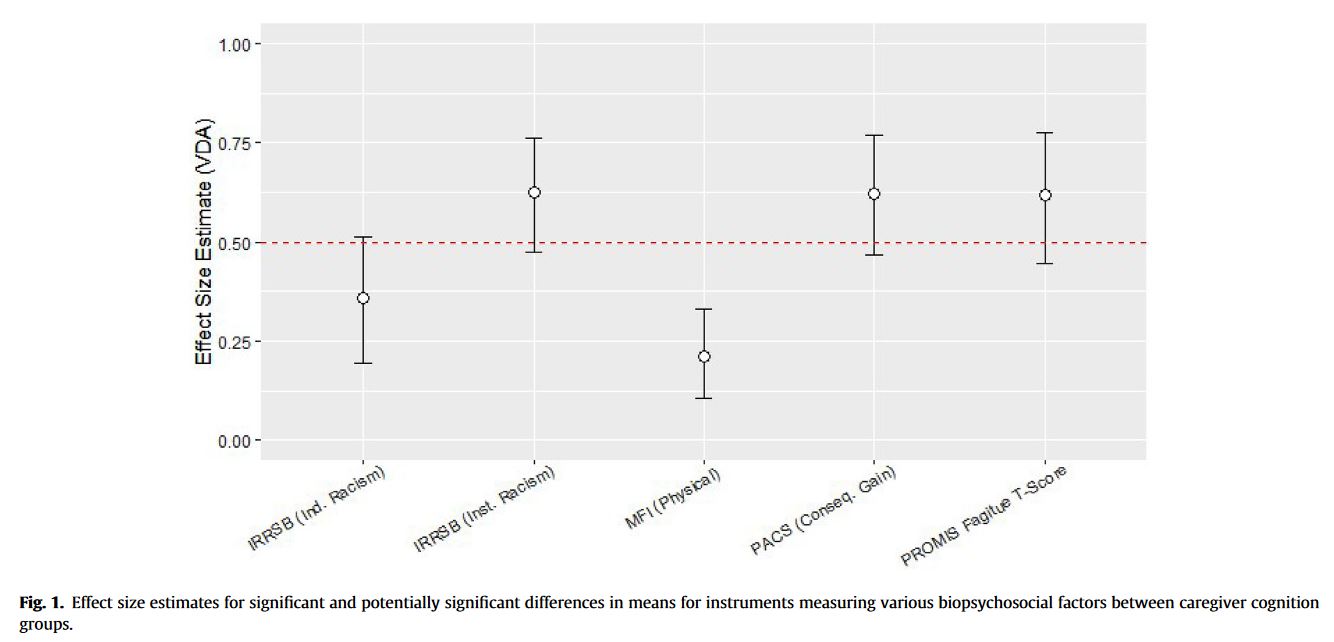
“Despite the increased risk that caregivers have for cognitive impairment, to our knowledge, no studies to date have examined caregiving and cognitive performance among Black caregivers. Black caregivers are the second largest population of caregivers in the U.S. They face systemic inequities that result in unique challenges and stressors which affect their caregiving roles and compound negative health outcomes. Black caregivers are also more likely to have lower household incomes, experience financial hardship, and are less likely to self-report good physical health.”
“There is no one definition of resilience. It is a fascinating word because it simultaneously can invoke great meaning—such as the ability to reclaim purpose or dignity following trauma—and imply wholly different things to different people”
“Nurses were intimately familiar with moral distress and burnout prior to COVID-19. When the pandemic began, it brought an avalanche of stressors that piled on top of existing nursing strain from decades of cumulative, unaddressed system dysfunction. The nursing resignations that have followed are not a function of individual nurses’ mental strength or ability to perform self-care during off-hours; they are a function of many health care systems’ failure to recognize and invest in the nursing workforce. The truth is that the majority of nurses show a great capacity for resilience. Resilience is a requirement for long-term success in most nursing roles. (In ideal training settings, this inherent resilience is enhanced through mentorship and teaching. During the pandemic, it was health care systems that crumbled under mounting pressures while nurses often carried the pieces.”
“Opioids are vital to pain management and sedation after trauma-related hospitalization. However, there are many confounding clinical, social, and environmental factors that exacerbate pain, post-injury care needs, and receipt of opioid prescriptions following orthopaedic trauma. This retrospective study sought to characterize differences in opioid prescribing and dosing in a national Medicaid eligible sample from 2010–2018. The study population included adults, discharged after orthopaedic trauma hospitalization, and receiving an opioid prescription within 30 days of discharge.”
“Since its inception more than 3 decades ago, the American Nurses Credentialing Center’s (ANCC’s) Magnet Recognition Program® has grown to become the premier international acknowledgment of nursing excellence in healthcare organizations worldwide. From its inception, the purpose of the Magnet® program was to support nursing practice through an organizational commitment to excellence.”


 Evidence Matters