Skin care of the premature neonate

“Premature infants have an underdeveloped epidermal barrier with few cornified layers increasing their risk for greater permeability by noxious agents, high water loss, delayed skin maturation, skin damage, and infection. Their skin is easily torn due to deficiency of dermal structural proteins. Stratum corneum (SC) maturation is rapid upon exposure to a dry environment. At 23 weeks, it is nearly absent, with transepidermal water loss (TEWL) of
75 g/m 2 /h. By week 26, a few cornified layers have formed (TEWL of ~45 g/m 2/h), corresponding essentially to a wounded skin surface. One month later, premature SC was not fully competent, as indicated by significantly higher TEWL (17 g/m 2 /h) than normal, full-term infants. Complete skin maturation may take as long as 9 weeks and longer for complete acid mantle formation.”

Visscher, M. O., Carr, A. N., & Narendran, V. (2021). Premature infant skin barrier maturation: status at full-term corrected age. Journal of Perinatology, 41(2), 232–239.

Continue reading

Drills for low frequency, high acuity events

“Patient outcomes during crisis events directly link to healthcare providers’ swift and appropriate actions, with nurses often the first responders to crisis events within the hospital. Crisis events, such as rapid responses and cardiac arrests, can prompt staff fear and anxiety regardless of years of professional experience, leading to hesitation and low self-confidence in decision-making. To optimize patient outcomes in crisis events, nursing staff should identify a decompensating patient quickly and begin competently performing resuscitation tasks. Previous mock code studies have found alarming delays in resuscitation tasks and overall poor performance; recommendations often discuss the need to focus on the first responders and the tasks being completed before the code team’s arrival Thus, the most critical period of the resuscitation process is left in the hands of nursing staff as first responders.

Bennett, J., et al (2021). Optimizing Nursing Response to Crisis Events through In-Situ Simulation. Medsurg Nursing, 30(2), 108-114.

Continue reading

Guidance on preoperative fasting

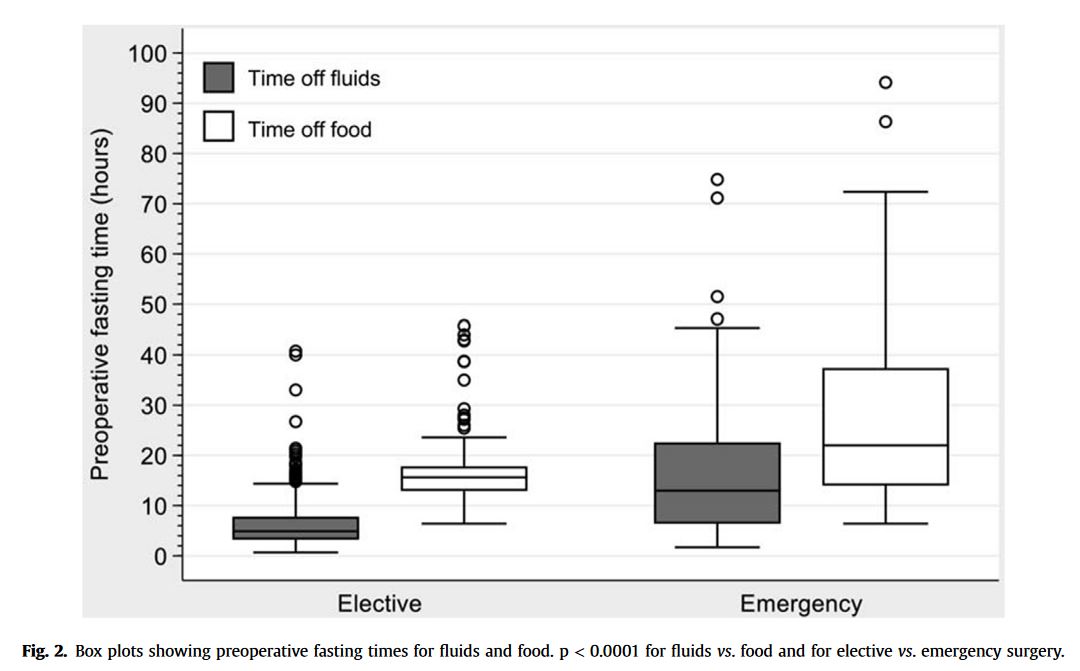
“This multicentre prospective audit from the East Midlands region of the UK demonstrates poor compliance with national and international preoperative fasting guidelines. Patients were fasting from clear fluids and food much longer than is recommended, with the majority of patients undergoing elective surgery fasting >4 h from clear fluids and >12 h from food. Patients undergoing emergency surgery fasted for even more prolonged periods with the
majority fasting >12 h from clear fluids and >24 h from food.” (El-Sharkawy)

El-Sharkawy

El-Sharkawy, A. M. etal (2021). Fasting and surgery timing (FaST) audit. Clinical Nutrition, 40(3), 1405–1412.

Continue reading

Orthostatic Blood Pressure: Best Practices

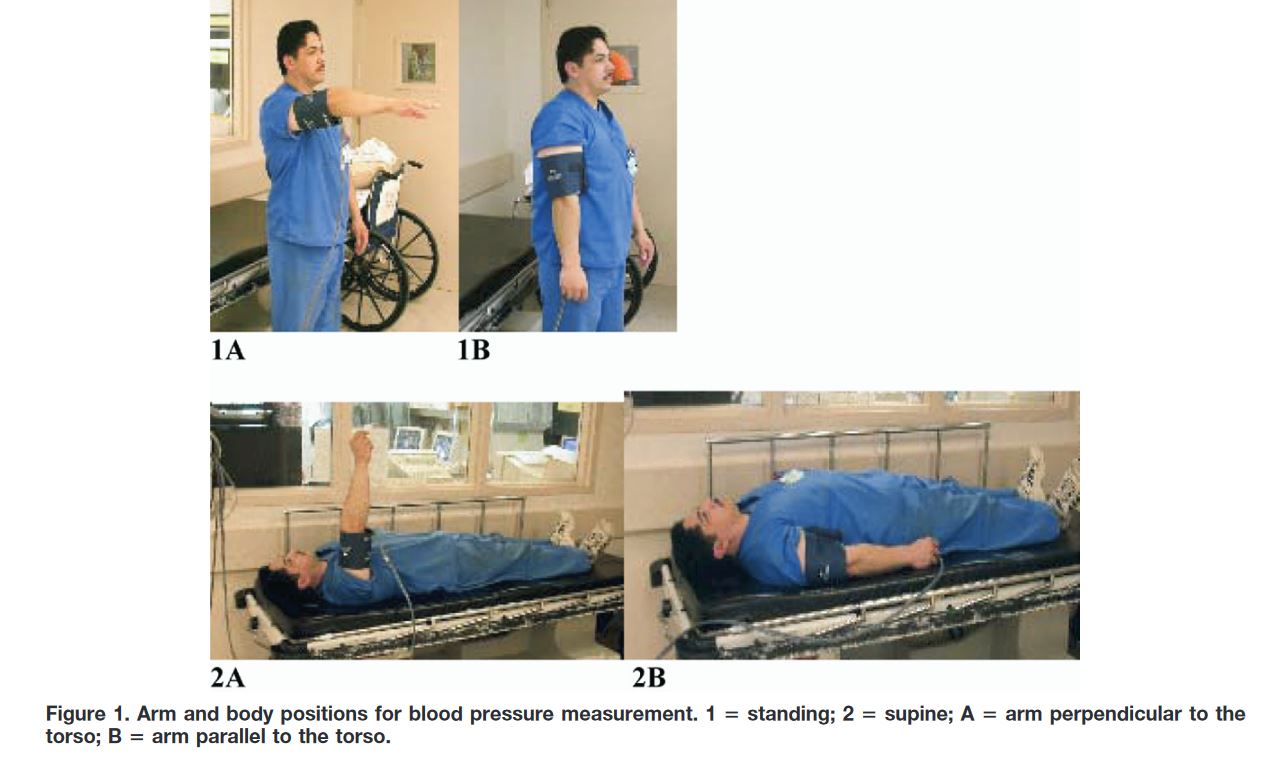
“Measurement of blood pressure changes associated with postural change is a common parameter used in a select group of ED patients as an adjunct in the assessment of volume status, hemodynamic stability, and medication toxicity. Orthostatic hypotension has been defined by a consensus statement developed by the American Academy of Neurology and American Autonomic Society as a decrease in systolic blood pressure of > 20 mm Hg or a diastolic drop > 10 mm Hg within 3 min of going from a supine to a standing position” (Guss)

Guss

Guss, D. A., Abdelnur, D., & Hemingway, T. J. (2008). The impact of arm position on the measurement of orthostatic blood pressure. The Journal of emergency medicine, 34(4), 377-382.

Continue reading

Guidelines for closed system transfer devices (CTSD)

Kuju, et al

“While CSTDs are an important tool to reduce exposure to hazardous drugs, CSTD performance and design should be considered within the context of the varying tasks, users, and environments where they are used.”

Kulju, S., et al. (2020). Assessment of unintended volume loss of six closed system transfer devices. Journal of Oncology Pharmacy Practice, 26(5)
Full Text for Emory Users

Continue reading