Phone and personal item confiscation of psychiatric patients

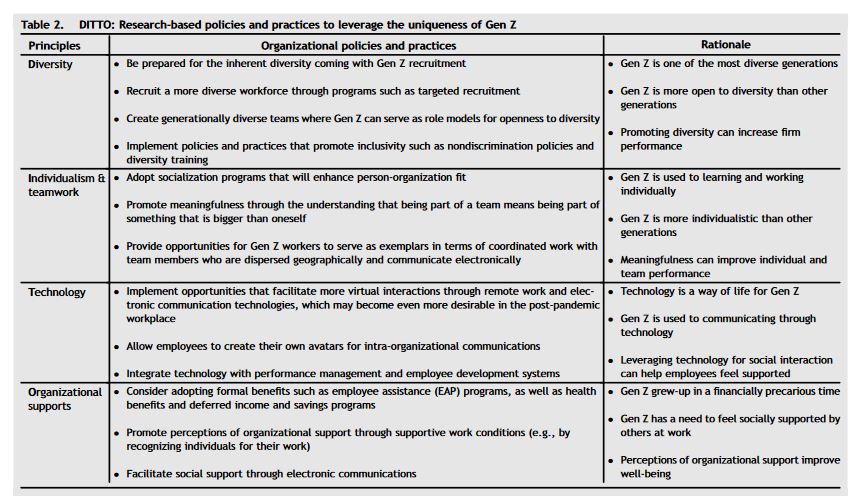
“Because of the diversity of reactions to smartphone deprivation, inpatient psychiatric unit clinicians should be aware of the duality of smartphone use and restriction among adolescents. Fostering youths’ awareness of the advantages and disadvantages of their smartphone use may facilitate behavior change related to problematic phone use after
leaving the hospital.” (Burke)

(Burke)

Burke, T. A., et al . (2022). Reactions to naturalistic smartphone deprivation among psychiatrically hospitalized adolescents. Journal of psychiatric research, 155, 17–23. Full Text for Emory Users

Continue reading
Evaluating psychiatric patients in the emergency department

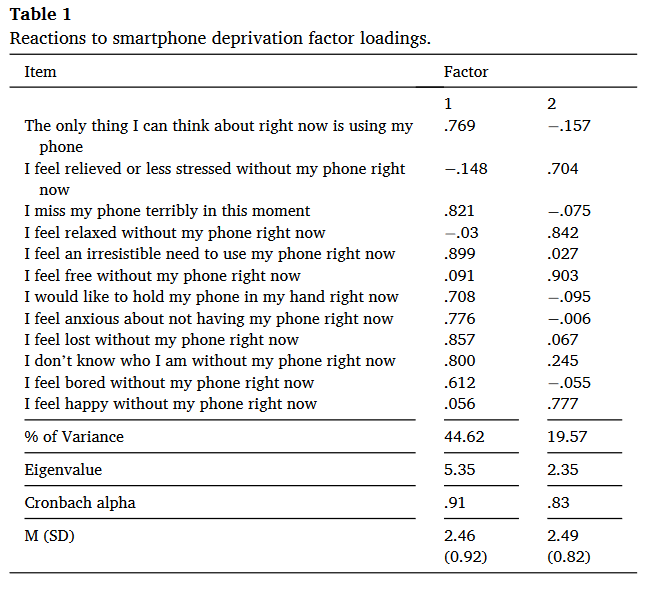
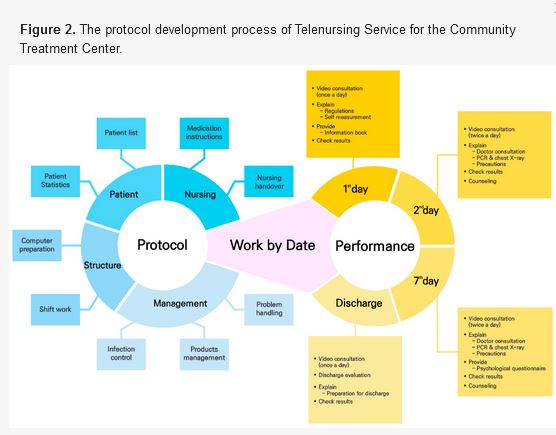
Wilson, M. P., et al (2017). American Association for Emergency Psychiatry Task Force on medical clearance of adult psychiatric patients. Part II: controversies over medical assessment, and consensus recommendations. Western Journal of Emergency Medicine, 18(4), 640. Free Full Text

Continue reading

The impact of taking breaks on nursing burnout.

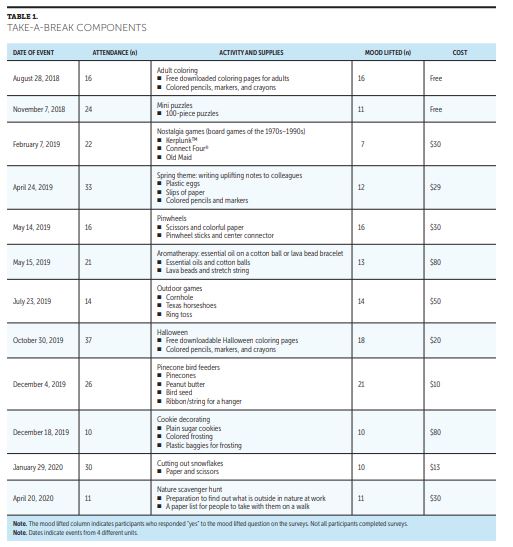
“Starting with an idea from an oncology clinic nurse, TAB events were provided consistently by four ambulatory clinic RNs. Participation has been positive, based on responses from a simple, voluntary, nonvalidated survey evaluation of activity enjoyment, room comfort, and lifted mood.” (Rettig)

(Rettig)

Rettig, A. E., et al (2021). Take-a-Break Intervention: Improving Oncology Nurse Wellness. Clinical journal of oncology nursing, 25(2), 210–214. Full Text for Emory Users

Continue reading
Prevention of pressure ulcers for patients undergoing endoscopy procedures.

“Patient positioning during gastrointestinal endoscopic procedures has received minimal attention compared with surgical procedures performed in the surgical setting. However, prolonged endoscopic interventions on patients and the increasing requirement for general anesthesia have changed to need for patient positioning guidelines. It is crucial to establish positioning guidelines for endoscopic procedures in supine, prone, and lateral positions.
These new patient positioning guidelines during gastrointestinal endoscopic procedures should become part of national endoscopy practice standards and the education curriculum of endoscopy nurses.” (Meeusen)

(Meeusen)
Continue reading