JONA Update: Recognizing What Meaningful Recognition Is to Nursesas a Strategy for Nurse Leaders

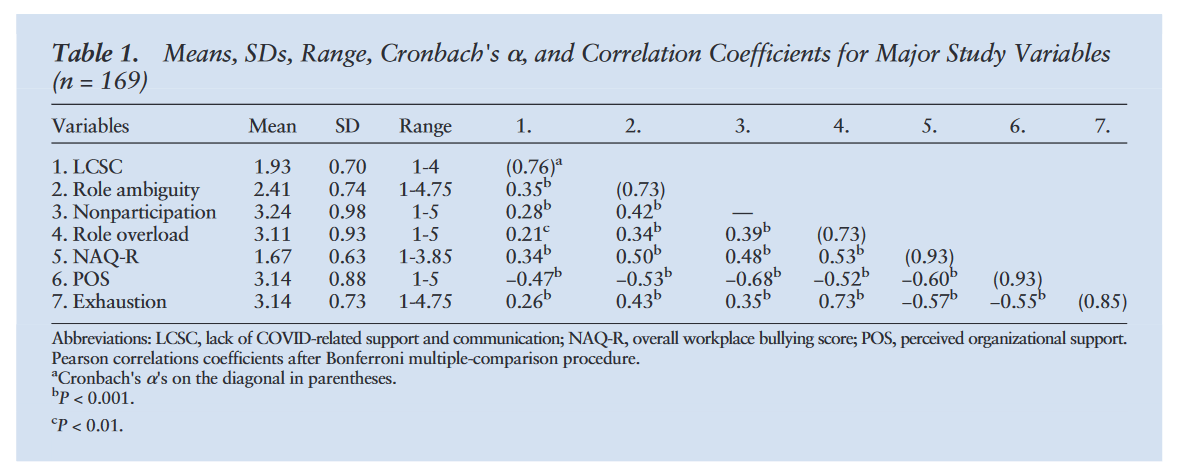
Meaningful recognition to nurses is as diverse as the nursing population. It is important that instruments be developed to capture the rich cultural and ethnic differences in relation to what is considered meaningful recognition to the nursing workforce. Although pay, public recognition, and opportunities for advancement were seen in this study as important forms of meaningful recognition, a deeper exploration across ethnic, racial, and gender groups is needed. This study underscored that one size of meaningful recognition does not fit all.

Sweeney, Cynthia, et al (2023). Retaining the Best: Recognizing What Meaningful Recognition Is to Nurses as a Strategy for Nurse Leaders. The Journal of Nursing Administration, 53, 81-87.

Affirming Care for LGBTQ patients

(Heredia)

Rider, G. N., et al  (2019). The gender affirmative lifespan approach (GALA): A framework for competent clinical care with nonbinary clients. The international journal of transgenderism, 20(2-3), 275–288. 

Earnshaw, V. A., et al  (2017). LGBTQ Bullying: Translating Research to Action in Pediatrics. Pediatrics, 140(4) 

Grasso, C., et al  (2019). Planning and implementing sexual orientation and gender identity data collection in electronic health records. Journal of the American Medical Informatics Association, 26(1), 66-70. 

Dichter, M. E., et al  (2018). Provider perspectives on the application of patient sexual orientation and gender identity in clinical care: a qualitative study. Journal of General Internal Medicine, 33(8), 1359-1365. 

Heredia, D., et al  (2021). LGBTQ-affirmative behavioral health services in primary care. Primary Care: Clinics in Office Practice, 48(2), 243-257.

JONA Highlights: Digital strategies to support nursing workflow

The Use of Technology

“Now more than ever, health systems must protect nurses from spending time on work that falls outside of core nursing responsibilities.9 Technology can make life easier for medical professionals and patients alike. It can help relieve the burden on the clinical nurse by enabling some responsibilities to be automated and more expedient, freeing time for nurses to prioritize more critical patient needs. There are numerous innovative technologies leaders should consider integrating into nurse workflow so care teams can think and work in new ways. Examples include the following:

  • Technology-driven pumps and monitors that automate the collection of information needed for care
  • Smart devices, including automated beds and vital sign monitoring
  • Wearables that provide clinical data to the provider
  • Virtual rounding technology that prompts patients and family members with questions via text to scale rounding efforts and prioritize needs
  • Electronic white boards integrated with the electronic health record to keep patients and families up to date
  • Centralized data command centers that integrate multiple systems into a single monitoring center, including coordination of care, requests for services, and discharge tracking
  • Robotics to save nursing and ancillary care time 10
  • Artificial intelligence to assist with wound assessment and sepsis capture for nurses that results in quality outcomes at lower cost 11
  • Tele-technology that enables virtual inpatient care models, including virtual sitter and virtual expert RN models 12
  • Mobile apps that enable bidirectional communication between patients and clinicians across all levels of care. These can improve nurses’ access to patient information, streamline communication and patient education, and provide patients themselves more control over their health. When digital health apps have the look and feel of other mobile apps such as Doordash or Netflix, which are already familiar to consumers, they will require minimal or no instruction.”
Continue reading

Early discharge and patient acuity

Rice, A. N., et al  (2021). Fast-Tracking Patients in an Academic Hospital to Increase Efficiency and Decrease Discharge Delays: A Process Improvement Plan. Journal of PeriAnesthesia Nursing, 36(6), Full Text for Emory Users 615-621. 


Aicher, B. O., et al  (2019). Reduced length of stay and 30-day readmission rate on an inpatient vascular surgery service. Journal of Vascular Nursing, 37(2), 78-85 Free Full Text .

Venkatesan, C., et al (2016). Outcomes trends for acute myocardial infarction, congestive heart failure, and pneumonia, 2005-2009. Am J Manag Care, 22(1), e9-17. Doyle, D. (2018) Free Full Text.


Chronic care management: Transitional care models for readmission reduction (Doctoral dissertation, Johns Hopkins University). Al Mashalah, H. A. M. A. (2019) Free Full Text

.

Studying The Impacts of Occupancy Rate on Length of Stay and Outcomes At The Emergency Department At The Regina General Hospital (Doctoral dissertation, Faculty of Graduate Studies and Research, University of Regina) Free Full Text

Nissen, K. M. (2021). Operationalizing the ACS NSQUIP® SRC to Impact Surgical 30-Day Readmissions (Doctoral dissertation, Grand Canyon University). Morgan, T. A., et al . (2021) Free Full Text.

Nursing attitudes towards dying patients.

Nurses play an essential role in delivering quality end-of-life (EOL) or palliative care to patients. This requires a skill set and knowledge that is specialized. Nurse-patient relationships built upon trust facilitate the patients adjustment to their illness, ease pain, and can ultimately lead to good death experiences.” (Cheong)

Table 3. Inductive thematic analysis from the in-depth interviews (Cheong)

Continue reading

Chemical Restraints in mental health settings

“Chemical restraint (CR) (also known as rapid tranquilisation) is the forced (non‐consenting) administration of medications to manage uncontrolled aggression, anxiety, or violence in people who are likely to cause harm to themselves or others.”

Muir, C. E., et al (2020). International research into 22 years of use of chemical restraint: An evidence overview. Journal of Evaluation in Clinical Practice, 26(3), 927–956. Full Text for Emory Users

Continue reading