How a good new hire experience can effect retention.

“Employee turnover is a key metric and performance indicator when evaluating the fiscal and operational effectiveness of any health-care facility. This article outlines a turnover analysis and onboarding program performance improvement initiative used by a 187-bed community hospital in the Washington DC metropolitan area to reduce staff turnover. Using an evidence-based approach, we evaluated facility staffing statistics, exit survey data, research literature, and industry exemplars.”
“Exit survey data identified only 50% to 62% of new employees who felt that: hospital orientation provided necessary information for successful employment; they had people to go to with concerns; and they had a realistic understanding of their job.” (Kiel)
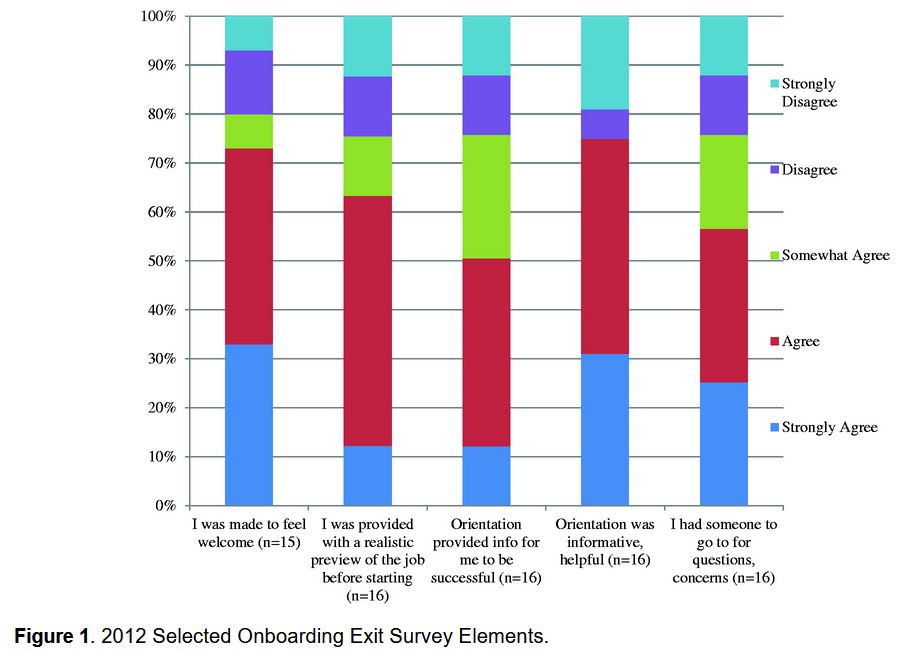
Kiel

Kiel, J. M. (2020). An analysis of restructuring orientation to enhance nurse retention. The health care manager, 39(4), 162-167.

Continue reading
Meaningful Recognition

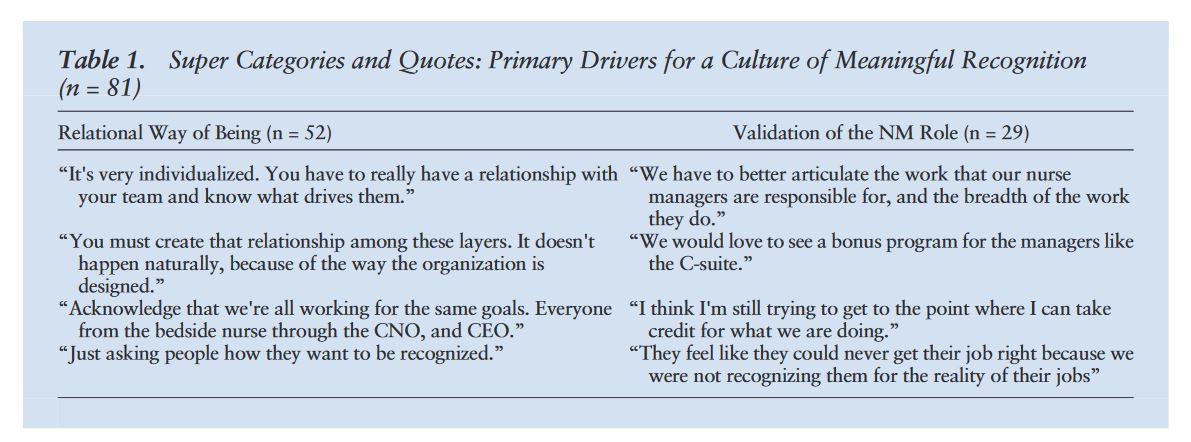
“Nurse recognition has been viewed as a critical component of a healthy work environment. The American Association of Critical-Care Nurses (AACN) describes elements of meaningful recognition, including a formal process from the organization that has structured and
sustainable processes for recognizing the contributions of individuals. In this sense, meaningful recognition includes identifying and honoring the value a nurse brings to the organization. Nurses who feel recognized have higher compassion satisfaction and lower burnout and describe feelings of gratitude, respect, and appreciation from their patients.” (Joseph)

Joseph

Joseph, M. L., Kelly, L., Davis, M. B. H., Zimmermann, D., & Ward, D. (2023). Creating an Organizational Culture and Climate of Meaningful Recognition for Nurse Managers. JONA: The Journal of Nursing Administration, 53(7/8), 370–377

Continue reading

Orthostatic Blood Pressure: Best Practices

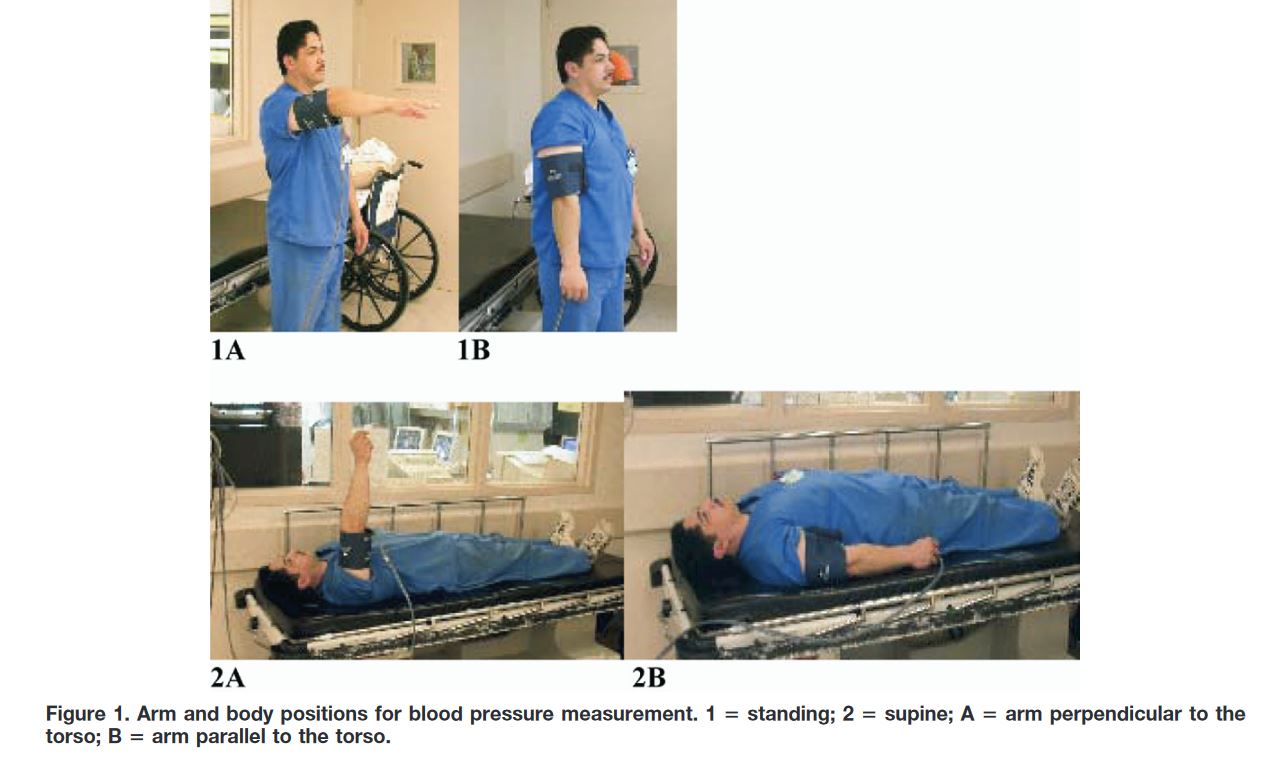
“Measurement of blood pressure changes associated with postural change is a common parameter used in a select group of ED patients as an adjunct in the assessment of volume status, hemodynamic stability, and medication toxicity. Orthostatic hypotension has been defined by a consensus statement developed by the American Academy of Neurology and American Autonomic Society as a decrease in systolic blood pressure of > 20 mm Hg or a diastolic drop > 10 mm Hg within 3 min of going from a supine to a standing position” (Guss)

Guss

Guss, D. A., Abdelnur, D., & Hemingway, T. J. (2008). The impact of arm position on the measurement of orthostatic blood pressure. The Journal of emergency medicine, 34(4), 377-382.

Continue reading

Emory Authors: Burned Out on Burnout

“Fifty-six percent of nurses in a national sample reported burnout symptoms in 2022. Although the nursing literature on burnout dates back to 1978, nurses and other health professionals continue to grapple with this workplace phenomenon that leads to deleterious outcomes, including suicide. The suicide risk among US nurses now surpasses that of physicians. Stories of nurses who have died by suicide or considered it are emerging, and some are similar to this suicide note titled, “A Letter to My Abuser,” which was published as a letter to the editor from the nurse’s parents. More attention is needed to meaningfully address nursing burnout and this can be done by also using an equity lens.”

Continue reading

Intentional rounding in the inpatient setting

“Intentional rounding has positive outcomes on patient satisfaction and safety. Nurses perceive benefits related to intentional rounding; however, some nurses perceive it as an additional, unnecessary task. The effectiveness of intentional rounding is influenced by external factors including leadership and formal rounding education, workload, ward layout, staffing and experience level.” (Ryan) 

Ryan

Ryan, L., et al (2019). Intentional rounding – An integrative literature review. Journal of Advanced Nursing (John Wiley & Sons, Inc.), 75(6), 1151–1161.

Continue reading