Nursing attitudes towards dying patients.

Nurses play an essential role in delivering quality end-of-life (EOL) or palliative care to patients. This requires a skill set and knowledge that is specialized. Nurse-patient relationships built upon trust facilitate the patients adjustment to their illness, ease pain, and can ultimately lead to good death experiences.” (Cheong)
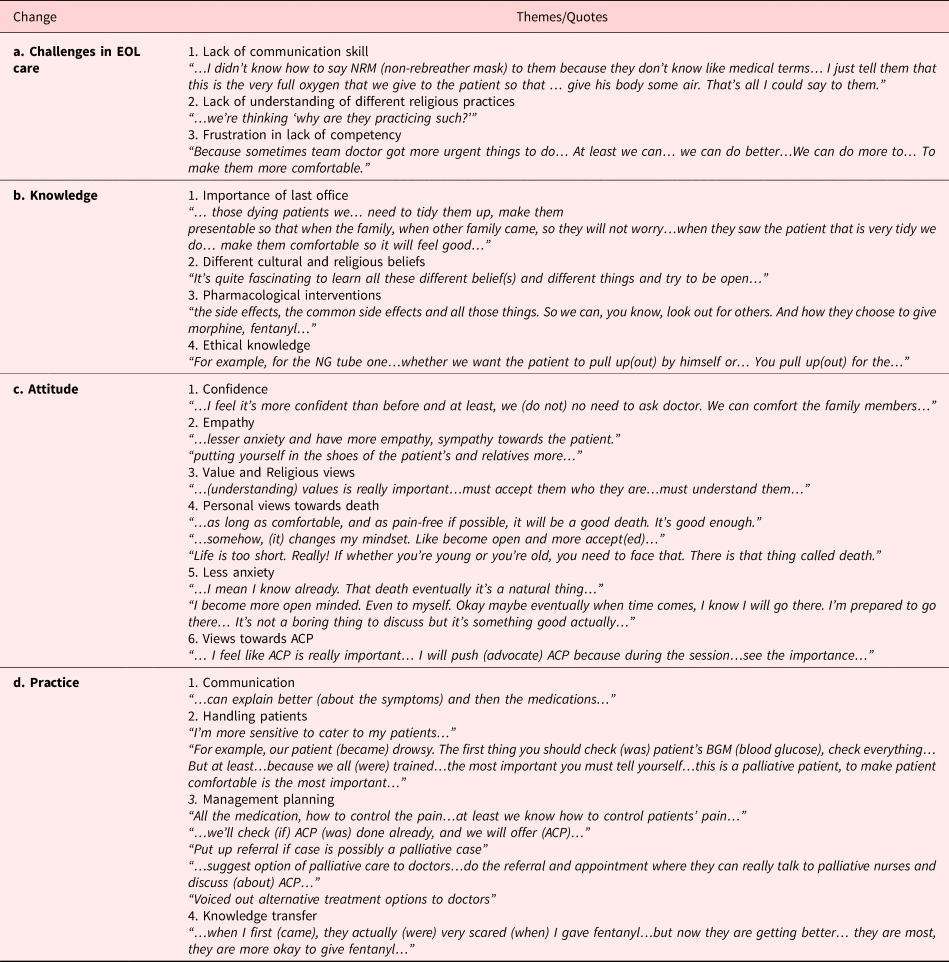
Table 3. Inductive thematic analysis from the in-depth interviews (Cheong)

Continue reading
Chemical Restraints in mental health settings

“Chemical restraint (CR) (also known as rapid tranquilisation) is the forced (non‐consenting) administration of medications to manage uncontrolled aggression, anxiety, or violence in people who are likely to cause harm to themselves or others.”

Muir, C. E., et al (2020). International research into 22 years of use of chemical restraint: An evidence overview. Journal of Evaluation in Clinical Practice, 26(3), 927–956. Full Text for Emory Users

Continue reading

Phone and personal item confiscation of psychiatric patients

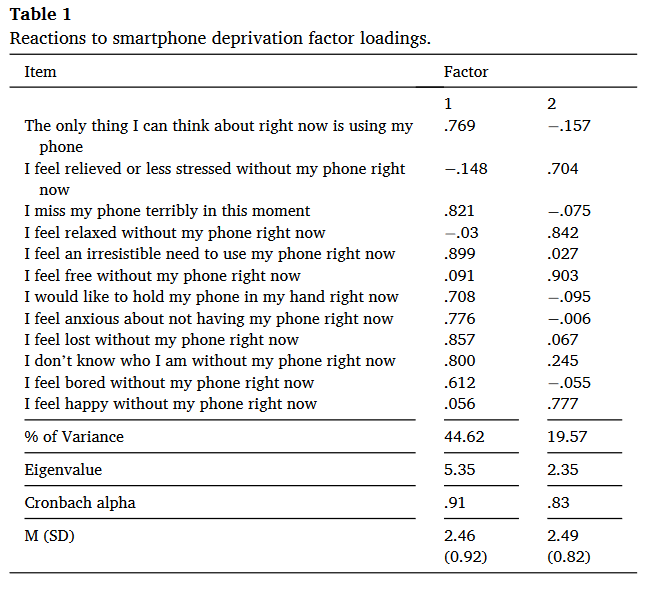
“Because of the diversity of reactions to smartphone deprivation, inpatient psychiatric unit clinicians should be aware of the duality of smartphone use and restriction among adolescents. Fostering youths’ awareness of the advantages and disadvantages of their smartphone use may facilitate behavior change related to problematic phone use after
leaving the hospital.” (Burke)

(Burke)

Burke, T. A., et al . (2022). Reactions to naturalistic smartphone deprivation among psychiatrically hospitalized adolescents. Journal of psychiatric research, 155, 17–23. Full Text for Emory Users

Continue reading