
“Older adults belonging to racial or ethnic minorities with low socioeconomic status are at an elevated risk of developing dementia, but resources for assessing functional decline and detecting cognitive impairment are limited. Cognitive impairment affects the ability to perform daily activities and mobility behaviors. Traditional assessment methods have drawbacks,
so smart home technologies (SmHT) have emerged to offer objective, high-frequency, and remote monitoring. However, these technologies usually rely on motion sensors that cannot identify specific activity types. This group often lacks access to these technologies due to limited resources and technology experience. There is a need to develop new sensing technology that is discreet, affordable, and requires minimal user engagement to characterize and quantify various in-home activities.”
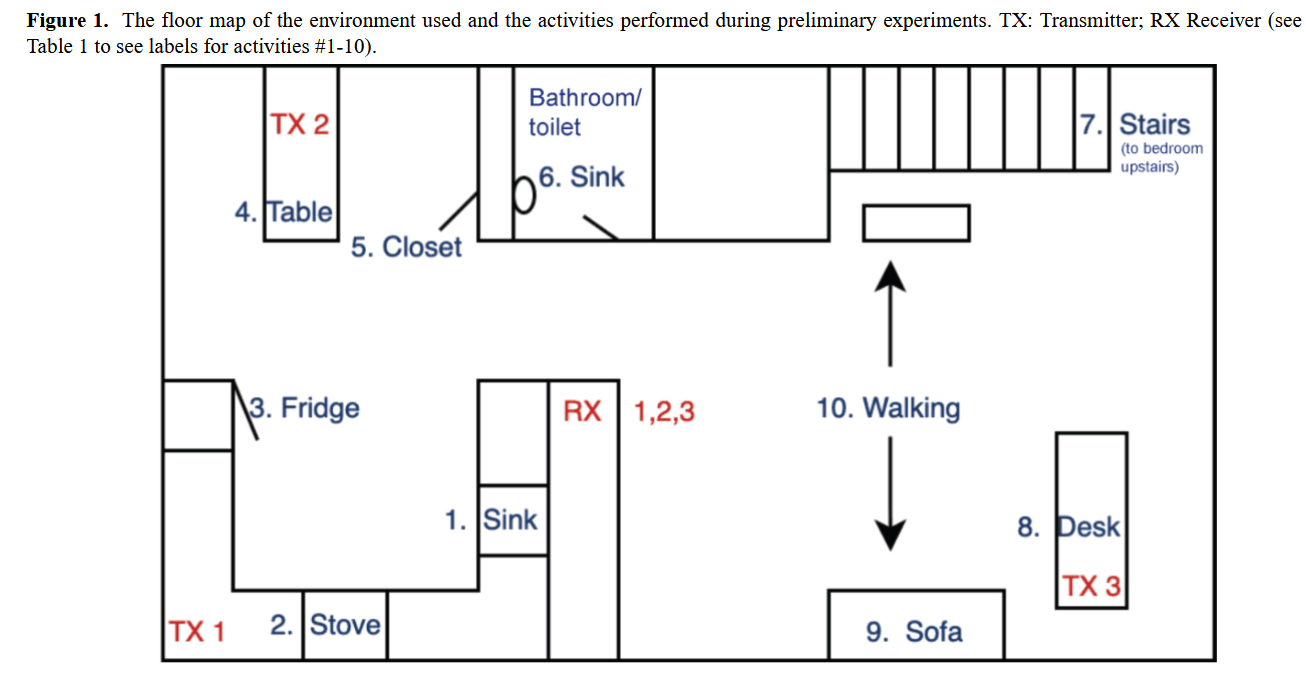
“This pilot study is poised to make a valuable contribution to SmHT science and ML capabilities for early detection of cognitive decline particularly among socially vulnerable older adults, because sensing devices are not readily available to this population due to cost and information barriers. Our passive sensing device has the potential to identify individuals at risk for cognitive decline by assessing their level of physical function by tracking their in-home activities and mobility behaviors. The cost-effectiveness of the Wi-Fi sensing system will enhance its overall utility and adoption in underserved low-income communities.”
Chung, J., Pretzer-Aboff, I., Parsons, P., Falls, K., & Bulut, E. (2024). Using a Device-Free Wi-Fi Sensing System to Assess Daily Activities and Mobility in Low-Income Older Adults: Protocol for a Feasibility Study. JMIR research protocols, 13, e53447.
 Evidence Matters