
“The concept of social capital asserts that social relationships, memberships, connections, and interactions among people create valuable networks that serve as resources to their members. Social relationships in the workplace build human capital, which is an individual’s
knowledge, skills, and experiences. Benefits are both gained and transferred by social ties and social participation that build trust and foster engagement. In examining the employment experiences of NGNs, it is important to consider the significance of social capital. This entails identifying the various sources of social capital within the workplace that can help cultivate positive work environments.”
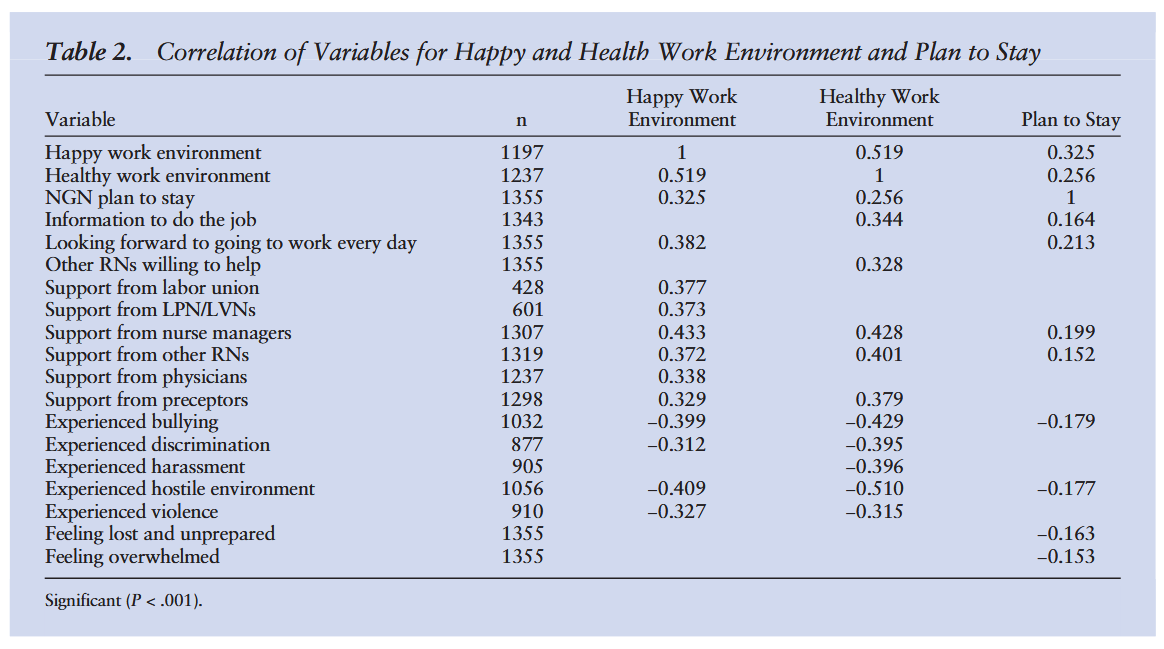
“Social capital refers to the positive organizational attributes that contribute to building human capital. NGNs with diverse multigenerational needs, especially those whose education was severely impacted by the pandemic, need a safe and supportive environment to develop from novice to expert. Building meaningful social relationships in the workplace yields positive outcomes. Understanding the social capital approach to recruitment and retention presents an opportunity to establish conducive work environments that enhance human capital. Hospital and healthcare system administrators are urged to develop
new strategies to attract and retain nurses.”
Inumerables, F, Mannino, J, Lumley, L, Williams, K, Watters, P, Joseph, F, Stevenson, M. (2025). Social Capital in the Workplace for New Graduate Nurses: Maximizing Recruitment and Retention. The Journal of Nursing Administration, 55, 329-334.
 Evidence Matters